
Lawn
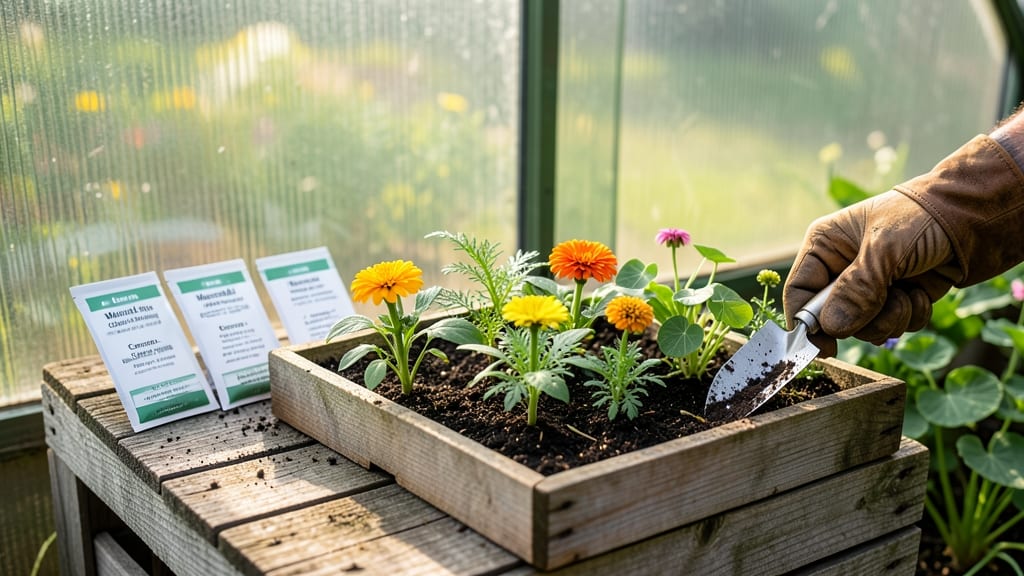
Mastering common flower seed identification saves you from guessing what will bloom in your garden. 🌸 I’ve spent years comparing seed packets to the actual plants, and the visual clues—like shape, color, and texture—make all the difference between a thriving border and a mystery patch of greens.
A single packet of marigold seeds looks nothing like a sunflower’s, but knowing the key traits turns seed shopping into a game of match-the-flower.
The easiest way to start is by checking seed packet labels for words like "round," "petaled," or "feathery" that describe the seed shape. For example, sunflower seeds are large and striped, while zinnias are tiny and papery.
Once you recognize these patterns, you’ll spot them in catalogs or even wildflower mixes. I keep a small notebook with sketches of seeds I’ve planted—it’s become my go-to reference for future seasons.
This visual key isn’t just about picking seeds; it helps you plan for sunlight, spacing, and bloom times. A packet of cosmos might promise "self-seeding," while petunias need deadheading. Knowing what you’re planting means you’ll avoid overcrowding or waiting too long for flowers.
By the end of spring, you’ll be confidently matching seeds to the perfect spot in your garden.
Even experienced gardeners mix up seeds occasionally, but the more you practice, the faster you’ll recognize them. Start with a handful of common varieties—like marigolds, snapdragons, or nasturtiums—and expand your collection as you gain confidence. The payoff? A garden that blooms exactly as you imagined, season after season.
📚 In This Guide
- What you need
- Instructions
- Tips and common mistakes
- Wrapping up and next steps
What you need
- ● Magnifying glass (3x–10x magnification) – for inspecting tiny details like seed texture, shape, and markings.
- ● Ruler or caliper (measuring up to 6 inches) – to gauge seed size accurately (e.g., 1/8" for marigolds, 1/4" for sunflowers).
- ● Seed identification guidebook (or printed reference sheets) – for cross-checking traits like color, leaf shape, or growth habits.
- ● Notebook & pen – to log observations (seed shape, color, and any unique features).
- ● Small containers or ziplock bags (5–10) – for organizing collected seeds by type.
- ○ Gloves (optional but recommended) – to protect hands from sap, dirt, or allergens.
- ● Digital microscope or smartphone adapter – for high-res photos of seed structures (e.g., hilum patterns).
- ● Field guide app (e.g., iNaturalist or PictureThis) – for instant ID comparisons.
- ● Moisture meter – to check seed viability if testing germination.
- ● Seedling trays & potting mix – for sprouting unknown seeds to confirm ID.
- ● UV flashlight – to reveal fluorescent patterns in some seeds (e.g., black-eyed Susan).
How to identify common flower seeds using visual traits
Here's my foolproof method for telling seeds apart—no confusing botanical terms, just what you see.
🌱 Step 1: Examine Seed Shape and Size
Start by sorting seeds into rough size categories: tiny (like poppy), small (like marigold), and large (like sunflower). Tiny seeds often have intricate patterns—look for delicate veins or fuzzy textures. Small seeds usually have smooth, rounded shapes with subtle color variations. Large seeds tend to be plump and oblong, sometimes with a noticeable "belly" or ridge.
I always spread a handful on a white plate under good light—this makes color differences pop. For example, cosmos seeds look like tiny black beans, while zinnias have flat, oval shapes with a papery texture. Note whether seeds feel smooth, bumpy, or slightly sticky—this narrows it down fast.
🌿 Step 2: Check for Distinctive Markings or Colors
Many flower seeds have unique color patterns that act like fingerprints. Look for dark stripes, speckles, or contrasting halves. Snapdragon seeds often show a white crescent on one side, while sweet peas have a distinctive "eye" pattern. Even within similar shapes, color can tell you the variety—pink vs. purple petunia seeds might differ by just a shade of brown.
Pro tip: Hold seeds up to a bright window and tilt them—some varieties reveal hidden details like tiny hairs or metallic sheens when light catches them at an angle. I keep a small magnifying glass handy for tricky ones like larkspur, whose seeds have almost invisible texture differences.
☀️ Step 3: Compare with Known Seed Samples
Gather reference images or physical samples of seeds you already know. Place your mystery seeds next to these for direct comparison. Pay attention to proportions—is the seed wider than it is long? Does it have a noticeable "tail" or wing? I keep a small labeled jar of each seed type I grow regularly on my windowsill for quick checks.
For digital comparison, use seed packet images as your guide. Most reputable seed companies include high-quality photos showing both the seed and resulting plant. If you're still unsure, check the seed's weight—heavy seeds often indicate larger plants, while lightweight ones usually mean delicate flowers.
⏰ Step 4: Test with a Simple Germination Trial
Plant a few mystery seeds in small pots with moist potting mix, then cover lightly. Place them in a warm spot (around 70°F) and watch for sprouts in 7-14 days. The shape of the first leaves (cotyledons) gives huge clues—round leaves often mean nightshade family (like petunias), while narrow leaves suggest brassicas (like sweet alyssum).
Real talk: This step takes patience, but it's the most reliable way to confirm. I've identified everything from unexpected dandelions to stray morning glories this way. Keep a small notebook nearby to record which seeds sprouted and what the seedlings looked like—your notes become your personal seed ID guide over time.
📝 Step 5: Cross-Reference with Seed Catalogs
Use trusted seed catalogs or gardening apps that include seed identification guides. Input your observations—size, shape, color—and let the database narrow it down. Most modern apps even let you upload photos for comparison. I swear by the "Seed to Plant" feature in my gardening app—it shows side-by-side images of seeds and mature plants.
Don't overlook the power of gardening communities. Post photos in forums with your observations, and someone will likely recognize the seed instantly. Include details like your growing zone and when you found the seeds—this helps others give accurate matches. I've solved several seed mysteries this way, including a batch of mysterious blue-flowered seeds that turned out to be bachelor's buttons.
Tips & tricks for mastering flower seed identification
Let me share the insights I've picked up after years of sorting through mystery seeds—these tricks will help you spot details that make all the difference.
Lighting is Everything: Natural daylight is your best friend for seed identification. I always set up my workspace near a south-facing window where the light is brightest. If you're indoors without great natural light, use a bright LED lamp with a color temperature of around 5000K—it mimics sunlight and makes subtle color differences pop. The key is to eliminate shadows so you can see every nuance of the seed's surface.
Texture Talks: Don't just look at seeds—run your fingers over them! The texture can reveal a lot about the variety. For example, morning glory seeds have a distinctive papery texture, while nasturtium seeds feel almost waxy to the touch. I keep a small magnifying glass (10x magnification) on hand for examining tiny details like microscopic hairs or fine ridges that can be the giveaway for tricky varieties like larkspur.
Create a Reference Collection: Build a physical and digital library of seeds you've already identified. I keep small labeled jars of each type I grow regularly on my windowsill, and I've created a digital album with high-resolution photos of seeds against a white background. This way, when you find a mystery seed, you can quickly flip through your collection to find matches. Pro tip: Include close-up shots of both the seed and the resulting plant—sometimes seeing both helps bridge the gap when you're unsure.
Seasonal Considerations: Remember that seed characteristics can vary slightly depending on when they were harvested. Seeds collected in late summer might be slightly larger or darker than those from early spring. I always note the collection date with my seed samples—this helps me understand why a particular batch might look a little different from my reference photos. For example, cosmos seeds harvested in fall tend to be slightly plumpier than spring-collected ones.
Pro Tips for Common Flower Seed Identification
- Let me share the insights I've picked up after years of sorting through mystery seeds—these tricks will help you spot details that make all the difference.
- Lighting is Everything: Natural daylight is your best friend for seed identification.
- Texture Talks: Don't just look at seeds—run your fingers over them!
Frequently asked questions
Got questions about flower seed identification? You’re not alone! Here are some of the most common queries—plus quick answers to help you grow with confidence.
How do I tell if a flower seed packet is expired?
Check the pack date (not the "best by" date) on the packet—most seeds stay viable for 1–5 years, depending on the type. Store them in a cool, dry place to extend freshness. If germination rates drop below 50%, it’s time to toss them!
When is the best time to plant flower seeds?
Timing depends on your climate and flower type! Cool-season flowers (like pansies or snapdragons) thrive in early spring or fall, while warm-season varieties (e.g., marigolds or zinnias) need spring planting after frost. Always read the packet for specifics!
Can I identify flower seeds just by looking at them?
While shape, size, and texture give clues (e.g., tiny cosmos seeds vs. large sunflower seeds), some look nearly identical. Use a seed identification chart or test germination by planting a few—if they sprout, you’ve got a match!
What if my flower seeds don’t sprout?
Don’t panic! Try these fixes:
- Check moisture: Keep soil damp (not soggy) during germination.
- Test temperature: Most seeds need 60–75°F—use a heat mat if needed.
- Verify freshness: Old seeds may need scarification (scratching the shell) or stratification (cold treatment).
Are there easy flower seeds for beginners?
Start with these low-maintenance picks:
- Marigolds: Fast-growing, pest-repellent, and drought-tolerant.
- Zinnias: Bright blooms, thrive in heat, and self-seed easily.
- Sunflowers: Large seeds = easy planting; great for pollinators.
Wrapping up and next steps
Mastering common flower seed identification opens the door to a vibrant, thriving garden—no green thumb required! 🌸 By now, you’ve got the tools to spot everything from delicate cosmos to bold sunflowers with confidence.
Remember, the key is patience: observe leaf shape, seed texture, and growth patterns, and soon you’ll be identifying seeds like a pro.
Ready to take the next step? Start small:
- Grab a seed-starting kit and grow your top 5 favorites from scratch!
- Join a local gardening club or online forum to swap tips and ID mysteries.
- Document your progress with photos—future you will thank you!