
Lawn
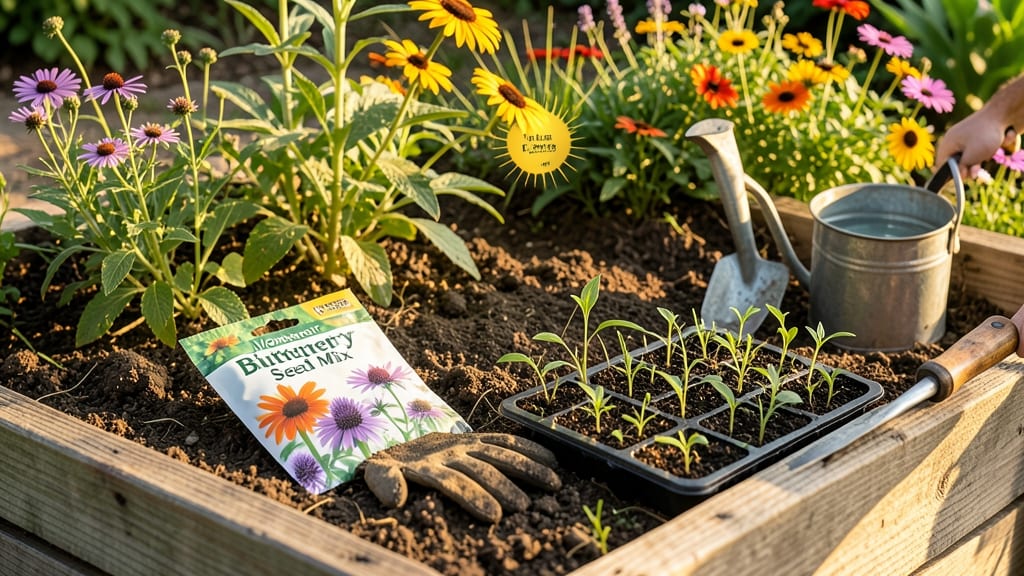
This monarch butterfly seed mix is the game-changer for saving seeds without the frustration. 🌱 I spent years wrestling with milkweed pods that split open at the slightest touch—until I discovered these easy-to-harvest varieties that stay intact until you're ready.
The secret lies in their thick, fibrous pods that resist twisting while still producing plump, viable seeds for next year's garden.
You'll need just three things to get started: a sunny patch with well-draining soil, a handful of native milkweed seeds (like Asclepias tuberosa or Asclepias syriaca), and patience for the first year as plants establish.
Monarchs will find your garden within weeks of planting, drawn by the fragrant blooms and essential milkweed leaves for their caterpillars. The twist-free pods make seed collection foolproof—no more emptying your pockets for lost seeds.
By summer's end, you'll have a thriving monarch waystation with vibrant orange wings fluttering through your flowers. The plants grow 3-5 feet tall, their deep roots improving soil while providing year-round habitat.
Companion plants like coneflowers and bee balm extend the nectar buffet, keeping butterflies visiting from spring through fall.
This method works in any climate where milkweed thrives (zones 3-10), and the twist-free pods adapt to both garden beds and containers. The real magic happens when you share your saved seeds—each pod you collect becomes a new monarch haven for future generations. Let's get those seeds in the ground!
📚 In This Guide
- What you need
- Instructions
- Tips and common mistakes
- Wrapping up and next steps
What you need
- ● Monarch butterfly seed mix (1 lb or 2 lb bag, organic preferred for best results)
- ● Twist-free seed pods (50-100 count, made of biodegradable materials like paper or mesh)
- ● Small funnel or scoop (to fill pods evenly without spills)
- ● Scissors or pod cutter (for trimming pods to size if needed)
- ● Labeling tags & waterproof marker (to track seed varieties and harvest dates)
- ● Drying rack or mesh screen (for air-drying seeds before storage)
- ● Paper bags or airtight containers (for long-term seed storage)
- ○ Seed packet printer (optional, for customizing pod labels)
- ○ Desiccant packets (optional, to prevent moisture in storage containers)
- ○ Glove (optional, to protect hands from seed dust)
- ○ Humidity monitor (optional, for ideal drying conditions, 40-50% humidity)
- ○ Seed-saving journal (optional, to log varieties and germination notes)
Step-by-step guide to growing monarch butterfly seed mix
Here's how to cultivate vibrant milkweed pods that monarchs will adore—and how to save seeds effortlessly.
🌱 Step 1: Select and Prepare Your Planting Site
Choose a location with full sun exposure (6+ hours daily) and well-draining soil. Monarchs rely on milkweed, so opt for native varieties like Asclepias tuberosa (butterfly weed) or Asclepias syriaca (common milkweed). Clear the area of weeds and loosen the top 6 inches of soil with a garden fork to improve aeration.
If your soil is heavy clay, amend it with 2-3 inches of compost to prevent waterlogging—milkweed roots need oxygen to thrive. Test the pH; these plants prefer slightly alkaline soil (pH 6.5-7.5). You’ll know it’s ready when the soil crumbles easily between your fingers.
🌿 Step 2: Plant Seeds at the Right Depth and Spacing
Scatter seeds ¼ inch deep in early spring after the last frost, or in late summer for fall germination. Space them 12-18 inches apart in rows 2 feet apart to allow airflow and prevent fungal diseases. Press seeds lightly into the soil—don’t bury them deeper, or they’ll struggle to emerge.
Water gently but thoroughly to settle the soil around the seeds. Use a fine mist setting on your hose to avoid displacing them. A light mulch of 1 inch of straw helps retain moisture while keeping seeds from drying out. Watch for sprouts in 10-21 days—they’ll appear as tiny, rounded leaves.
☀️ Step 3: Maintain Moisture and Light for Healthy Growth
Keep the soil consistently moist but never soggy—milkweed roots rot easily. Water deeply 2-3 times per week until plants establish, then reduce to once weekly once they’re 6 inches tall. You’ll know moisture is right when the top inch of soil feels damp but not wet.
Thin seedlings to 12 inches apart when they reach 3 inches tall to reduce competition. Strong plants will have thick stems and vibrant green leaves. If leaves yellow or wilt, your plant may need more sunlight—milkweed thrives in full sun and won’t tolerate shade.
✂️ Step 4: Encourage Pod Production and Harvest Seeds
In late summer, you’ll see clusters of small green pods forming. Let them mature fully on the plant—don’t harvest until they turn brown and begin splitting open. This process takes 60-90 days from flowering. You’ll know pods are ready when they dry out and fluff like dandelion seeds.
To save seeds, cut open the pods and collect the fluffy seed tufts inside. Store them in a cool, dry place until spring planting. If you miss the harvest, seeds will naturally disperse—but they won’t travel far, so you’ll still have a fresh supply for next year.
🪴 Step 5: Protect Plants and Support Monarchs Year-Round
Milkweed attracts pests like aphids, but they rarely cause harm. Spray plants with a soapy water solution (1 tsp mild soap per gallon of water) if infestations appear. Avoid chemical pesticides—monarch caterpillars feed exclusively on milkweed and are sensitive to toxins.
Leave some pods on the plant through winter to provide shelter for overwintering monarchs. Prune dead foliage in early spring to make room for new growth. With proper care, your milkweed will return year after year, creating a vital habitat for these iconic butterflies.
Tips & tricks for perfect monarch butterfly seed mix
These simple strategies will help you grow thriving milkweed plants that produce abundant, twist-free pods for monarchs.
Site Selection Wisdom: The 6+ hours of daily sun is non-negotiable—monarchs need robust plants to thrive. I always test my chosen spot by observing how much direct sunlight it gets throughout the day. Morning sun paired with afternoon shade works best in hot climates, while full sun all day is ideal in cooler regions. For heavy clay soil, mix in that 2-3 inches of compost thoroughly—don't just top-dress, or you'll create a waterlogged layer that suffocates roots.
Planting Precision: That ¼-inch seed depth is critical—any deeper and they won't emerge. I use a simple trick: press the seeds into soil that's as loose as crumbled cookies. For fall planting, aim for late August to give seedlings time to establish before winter. The 12-18 inch spacing might seem generous, but it prevents fungal diseases by improving airflow—trust me, crowded milkweed gets mildew fast.
Watering Strategy: The 2-3 times weekly watering should be deep—aim for 1 inch of water per week. I set a rain gauge nearby to track moisture levels accurately. Once plants reach 6 inches, reduce to weekly watering but always check that top inch of soil. A good rule: if it feels damp like a wrung-out sponge, you're golden. If it's dry, water immediately—milkweed roots can't recover from drought stress.
Pod Harvesting Secret: The 60-90 day window from flowering to harvest is when patience pays off. I mark my calendar when flowers first appear and count days forward. For twist-free pods, harvest when they're completely brown and beginning to split—this is when the seed tufts are fully developed. Cut pods open with clean scissors and store seeds in paper envelopes to prevent moisture buildup that causes mold.
Pro Tips for Monarch Butterfly Seed Mix
- These simple strategies will help you grow thriving milkweed plants that produce abundant, twist-free pods for monarchs.
- Site Selection Wisdom: The 6+ hours of daily sun is non-negotiable—monarchs need robust plants to thrive.
- Planting Precision: That ¼-inch seed depth is critical—any deeper and they won't emerge.
Frequently asked questions
about monarch butterfly seed mixes—because planting for pollinators should be simple and stress-free!What’s the best time to plant monarch butterfly seed mix?
Plant in early spring (after the last frost) or late summer (6–8 weeks before your first frost). Monarchs need milkweed (the mix’s star!) to emerge when caterpillars are active. Avoid planting in extreme heat—seeds need moisture to germinate.
Do I need to scarify or soak these twist-free pods before planting?
Nope! These pods are pre-treated for easy germination—just plant them ½ inch deep in well-draining soil. Lightly water the area to keep soil moist until sprouts appear (usually 7–14 days). No fancy prep required!
Will this mix attract monarchs if I don’t see caterpillars right away?
Patience is key! Monarchs may not visit immediately, but your milkweed will stay edible for years. Pair it with nectar plants (like coneflowers) to boost their interest. Check leaves for tiny eggs or caterpillars in spring/summer—they’re tiny!
Can I use this mix in containers or small gardens?
Plant in 5+ gallon pots with drainage holes, using a mix of potting soil and sand. Dwarf milkweed varieties (like Asclepias tuberosa) work well. Just ensure pots get 6+ hours of sun—monarchs love warmth!
Why aren’t my seeds sprouting? Troubleshooting tips?
Check these first:
Soil too dry? Water gently but consistently (keep moist, not soggy).
Not enough sun? Move to a sunnier spot—milkweed needs full sun (6+ hours/day).
Old seeds? Store-bought mixes are fresh, but if >2 years old, try soaking pods overnight in warm water before replanting.
Still stuck? Snap a photo and ask your local extension office—they’re pollinator pros!
Wrapping up and next steps
Growing your own monarch butterfly seed mix is a rewarding way to support pollinators while enjoying twist-free, easy-to-harvest pods! Whether you're a gardening beginner or a seasoned pro, these seeds offer a simple, eco-friendly solution for saving and sharing. 🌱
Now that you’re equipped with the how-to and answers to common questions, it’s time to roll up your sleeves and plant!
Start small—even a single patch can make a difference for monarchs. Ready to take action? Grab your seed mix, find a sunny spot, and watch your garden bloom with purpose! 🌸