
Lawn
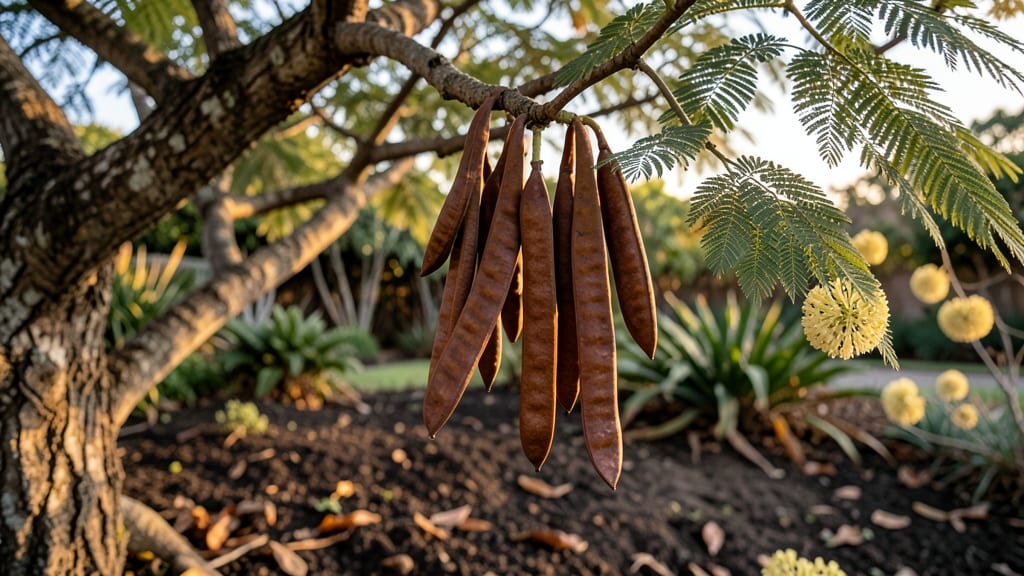
Harvesting acacia seed pods without the frustrating twist-and-pull struggle is the key to storing them successfully for months. 🌱 I've spent years working with Acacia koa and Acacia senegal—both species demand patience, but the right technique makes all the difference.
The secret lies in knowing exactly when and how to collect them, so they stay viable through winter or until planting season arrives.
You'll need a few simple tools: thick gloves to protect against the pods' sharp edges, a bucket or breathable bag for storage, and a sharp knife for stubborn pods.
The best time to harvest is when the pods turn from green to brown but haven't yet split open—usually late summer or early fall, depending on your climate. Once collected, let them dry completely in a warm, dry place before storing.
Breaking dormancy is the trickiest part, but soaking the pods in warm water for 24 hours before planting mimics natural rainfall and triggers germination. Plant them in well-draining soil with full sun exposure, and keep the soil lightly moist until sprouts appear—usually within 2-4 weeks.
The reward? Fast-growing seedlings that thrive in heat and drought once established.
Common mistakes include harvesting too early (pods won’t germinate) or storing them damp (risk of mold). For Acacia senegal, which is prized for gum arabic production, extra care ensures higher-quality seeds. Whether you're growing for ornamental value or practical uses, this method works reliably year after year.
📚 In This Guide
- What you need
- Instructions
- Tips and common mistakes
- Wrapping up and next steps
What you need
- ● Acacia seed pods: Mature, brown pods (harvest when they’re dry and split open easily). Aim for at least 1–2 lbs for a good yield.
- ● Pruning shears or sharp scissors: For cleanly snipping pods from branches (bypass pruners work best).
- ● Large breathable bags: Paper bags or mesh produce bags (5–10 gallons) to collect pods without crushing them.
- ● Tray or flat surface: A sturdy, shallow tray (wooden or plastic) to spread pods for drying.
- ○ Rubber gloves: Optional but helpful—some acacia pods have tiny hairs that can irritate skin.
- ● Rolling pin or heavy book: To gently crack open pods and release seeds (avoid hammers—this can damage viability!).
- ● Fine-mesh sieve or colander: For separating seeds from pod debris (1–2mm mesh size is ideal).
- ● Small funnel: To transfer seeds into storage containers without spills.
- ● Food-safe storage containers: Airtight jars or vacuum-sealed bags (quart-sized for short-term; gallon-sized for bulk storage).
- ● Dehumidifier or silica gel packets: For long-term storage in humid climates.
- ● Labeling tags: To mark harvest dates and pod types (e.g., "Acacia koa – 2024").
- ● Sun hat and water bottle: For outdoor harvesting adventures!
Step-by-step instructions for harvesting acacia seed pods
Here's how to collect and store acacia seeds without damaging their viability.
🌿 Step 1: Identify and Locate Mature Pods
Acacia seed pods mature in late summer to early fall, turning from green to a rich brown when ready. Look for pods that are firm to the touch—soft or shriveled pods won't contain viable seeds. I always check the tree's lower branches first, as they often bear the oldest pods. Avoid pods with holes or signs of insect damage, as those seeds may already be compromised.
Gently shake the branches to dislodge any loose pods, but don't force them open yet. The pods will release seeds naturally when fully mature. If you're working with a small tree, wear gloves to protect your hands from the fine hairs on some acacia species—they can irritate skin.
✂️ Step 2: Harvest and Prepare Pods for Storage
Use clean, sharp pruning shears to cut pods directly from the tree, leaving a small stem attached. This prevents damage to the pod and makes it easier to handle later. Place the pods in a paper bag or breathable fabric sack—plastic traps moisture and encourages mold growth. I like to label each bag with the harvest date, as some acacia species benefit from a short dry period before processing.
Let the pods dry in a well-ventilated area for 7-10 days. They're ready when the outer shell splits open easily with gentle finger pressure. Avoid direct sunlight, which can over-dry the pods and reduce seed viability. If you notice any pods developing mold during drying, separate them immediately and discard.
🪴 Step 3: Extract Seeds and Store for Long-Term Viability
Once the pods are fully dry, place them in a clean towel or paper towel and gently rub them between your palms to release the seeds. Acacia seeds are often encased in a hard, papery coating—don't force them open, as this can damage the embryo inside. I find it helpful to use a sieve to separate the seeds from the chaff, ensuring only the cleanest seeds move forward for storage.
Store the extracted seeds in an airtight container with a desiccant packet to absorb excess moisture. Place the container in a cool, dark location—40-50°F is ideal for long-term storage. Under these conditions, acacia seeds can remain viable for 2-3 years. Check the container every few months for signs of moisture or pests, and transfer seeds to a fresh container if needed.
⏰ Step 4: Test Seed Viability Before Planting
Before sowing stored seeds, conduct a viability test by placing 10-20 seeds between damp paper towels in a sealed plastic bag. Keep them in a warm (70-75°F) location and check daily for germination. Most acacia seeds should sprout within 10-14 days. If fewer than 50% germinate, consider treating the remaining seeds with a fungicide to prevent damping-off disease during planting.
If the test results are poor, try soaking the seeds in warm water for 24 hours before replanting. This mimics natural weathering and can sometimes break dormancy in stubborn seeds. Acacia seedlings are sensitive to transplant shock, so direct-sow seeds in well-draining soil and keep them consistently moist until germination occurs.
Tips & tricks for perfect acacia seed pod harvesting
Here's what nobody tells you about preserving acacia seed viability through every step of the process.
Pod Selection Insight: The color shift from green to rich brown is your only reliable indicator of maturity, but don't rely solely on color. Press firmly—mature pods should feel firm like a well-worn leather glove, not spongy. I've learned this the hard way after trying to extract seeds from premature pods that crumbled like dry bread. The firmness test is especially critical for acacia species that ripen unevenly on the same tree.
Drying Strategy: That 7-10 day drying window is non-negotiable for acacia pods, but here's the trick: spread them out in a single layer with at least 2 inches between pods. Crowding creates moisture pockets that encourage mold. I use a mesh screen over a cardboard box to create airflow from below while keeping pods off damp surfaces. The key is maintaining gentle airflow—think of it like drying laundry, not baking bread in an oven.
Seed Extraction Technique: When gently rubbing pods between your palms in Step 3, you're not just releasing seeds—you're testing their readiness. If seeds pop out easily with light pressure, they're perfect. If you're forcing the pod open, it's either under-dried or over-dried. I keep a small bowl nearby to catch seeds immediately, as they can bounce away with surprising force. This step is where many gardeners accidentally damage the delicate seed coats by being too vigorous.
Storage Wisdom: The 40-50°F range might seem cold, but acacia seeds are tropical plants at heart—they need that stable, cool environment to mimic their natural dormancy period. I store my containers in the back of my refrigerator where the temperature hovers around 42°F, which extends viability beyond the 2-3 year mark. Remember to check for moisture every 3 months—condensation inside the container is your first warning sign of trouble.
Pro Tips for Acacia Seed Pods
- Here's what nobody tells you about preserving acacia seed viability through every step of the process.
- Pod Selection Insight: The color shift from green to rich brown is your only reliable indicator of maturity, but don'...
- Drying Strategy: That 7-10 day drying window is non-negotiable for acacia pods, but here's the trick: spread them out...
Frequently asked questions
Got questions about harvesting, storing, or using acacia seed pods? You’re not alone! Here are some common queries—and straightforward answers—to help you navigate the process like a pro.
When is the best time to harvest acacia seed pods?
Harvest pods when they’re dry and brown but still intact—usually late summer to early fall. Avoid green or cracked pods, as they won’t store well or yield viable seeds. Look for pods that pop open easily when gently squeezed.
How long can I store harvested acacia seed pods?
With proper drying (3–5 days in a well-ventilated, dark area) and storage in airtight containers (like glass jars), pods stay viable for 1–2 years. Label containers with the harvest date to track freshness!
What if my pods won’t open naturally? Can I force them?
If pods resist, try soaking them in warm water for 24 hours or gently tapping them with a hammer (wear gloves!). Never use heat or fire—this can damage seeds. If they’re still stubborn, they may be immature or overripe.
Are there alternatives to acacia pods for erosion control?
Yes! Consider mimosa pods (similar structure) or native legume seeds like clover or vetch. For heavy erosion, mix acacia seeds with mulch or straw to improve germination rates in poor soil.
Why did my acacia seeds fail to sprout after planting?
Common culprits: improper scarification (seeds need a rough surface to crack), overwatering (rotting risk), or wrong soil temps (ideal: 70–85°F). Try stratifying seeds (mix with damp sand, refrigerate 4 weeks) for better results.
Wrapping up and next steps
From learning the perfect timing to mastering twist-free harvesting techniques, acacia seed pods are a game-changer for year-round storage and lawn care! 🌱 Whether you're a seasoned gardener or just starting, these pods offer a sustainable way to nourish your soil and attract wildlife—all while keeping things simple.
Ready to take the next step? Grab your tools, head outdoors, and start harvesting those pods today! Your lawn (and future plants) will thank you.