
Lawn
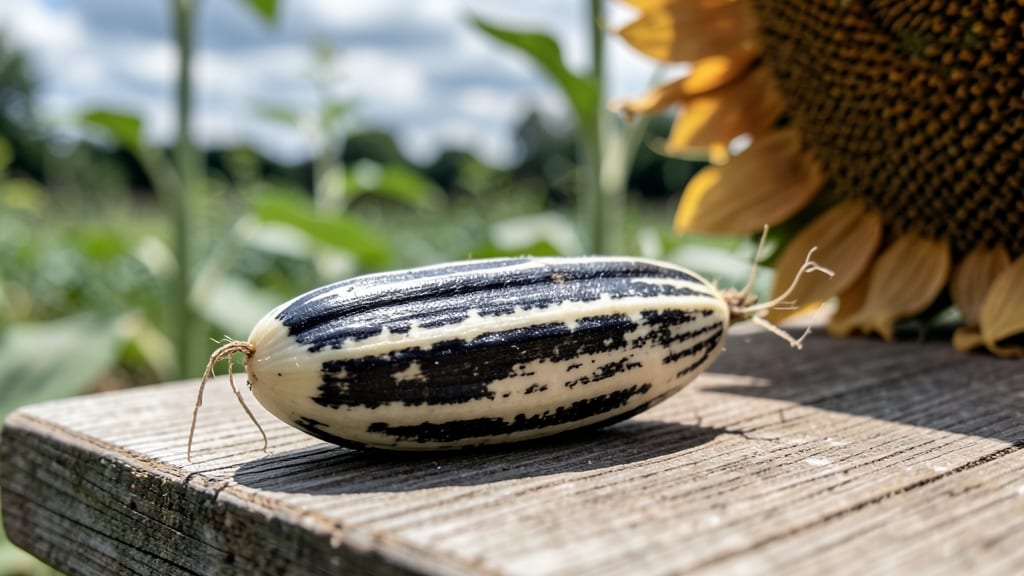
That tiny sunflower seed inside holds a giant secret—a whole plant waiting to burst free when you get the planting right. 🌻 The seed coat protects the embryo and endosperm, but proper depth, moisture, and warmth are what wake it up.
I’ve cracked the code on planting these giants from seed, and the results are worth the effort: towering stems that reach for the sky by midsummer.
Most gardeners plant sunflower seeds too deep, which smothers the sprout before it even breaks through. The trick is pressing them just half an inch into loose, well-draining soil—no need to bury them like carrots.
They thrive in full sun (at least 6-8 hours daily) and warm soil, so wait until after your last frost when the ground reaches 60°F. Overwatering is the real enemy here; let the soil dry slightly between waterings once they’re up.
By mid-July, you’ll watch the seed pods crack open naturally, revealing the beautiful, edible seeds inside—no forced harvesting required. The key is patience: sunflowers grow fast, but they need consistent moisture during their first 2-3 weeks to establish strong roots.
Avoid rich compost in the planting hole (it causes leggy stems), and watch for birds—those seeds are irresistible before they sprout.
This method works for all sunflower varieties, from dwarf types for containers to giant varieties for cutting. The only real mistake? Planting too early or in cold soil.
Once you master the seed’s natural opening process, you’ll never buy sunflower seeds again—just save your own from last year’s harvest for next season’s giants.
📚 In This Guide
- What you need
- Instructions
- Tips and common mistakes
- Wrapping up and next steps
What you need
- ● Sunflower seeds: 10–20 seeds (organic, non-GMO preferred for best results).
- ● Biodegradable seed pods or small mesh bags: 1–2 (to protect seeds while allowing natural airflow).
- ● Potting soil: 1–2 gallons (lightweight, well-draining mix with compost).
- ● Small pots or containers: 2–4 (4–6 inches deep, with drainage holes).
- ● Watering can or spray bottle: (for gentle hydration).
- ● Sunlight access: A sunny spot (6+ hours of direct light daily) or a grow light.
- ● Scissors or pruning shears: (for harvesting mature pods).
- ○ Gloves (optional but recommended): To protect hands from prickly stems.
- ● Fertilizer: Balanced liquid fertilizer (diluted to half-strength) for faster growth.
- ● Plant markers: To label pots if growing multiple varieties.
- ● Humidity dome or plastic wrap: For seedlings during germination.
- ● Pruning tool: For trimming excess foliage to encourage pod development.
- ● Camera or journal: To document your sunflower’s growth journey!
Step-by-Step guide to growing sunflowers for natural pod opening
Here’s how to coax open those stubborn sunflower seed pods without forcing or damaging them.
🌱 Step 1: Select and Plant Sunflower Seeds Properly
Choose a variety known for easy pod opening, like ‘Moulin Rouge’ or ‘Russian Giant’—their sturdy stems hold pods upright naturally. Plant seeds 1 inch deep in well-draining soil, spacing them 6-12 inches apart depending on maturity size. I like to plant mine in late spring after all frost risk has passed, when soil temperatures hit 60°F or warmer.
Water immediately after planting to settle the soil around seeds. Keep the area consistently moist but never soggy—sunflowers hate waterlogged roots. You’ll see the first true leaves appear in 7-10 days, signaling successful germination. This is when you can ease up on watering slightly, letting the soil dry out a bit between waterings as the plants mature.
☀️ Step 2: Provide Full Sun and Proper Spacing
Sunflowers need 6-8 hours of direct sunlight daily to develop strong stems that support heavy seed pods. If your climate gets hotter than 90°F, provide afternoon shade to prevent stress—wilting stems can’t hold pods upright. I stake taller varieties with bamboo stakes at planting to prevent wind damage, which often causes pods to close prematurely.
Watch for leggy growth—a sign of insufficient light. If stems stretch more than 3 feet tall before flowering, move the plant closer to a sunny window or supplement with a grow light. Proper spacing also matters: crowded plants compete for nutrients, leading to weak stems that can’t hold pods open. Thin seedlings to 12 inches apart once they reach 6 inches tall.
💧 Step 3: Encourage Pod Development with Balanced Care
Once flowers bloom, reduce watering slightly—too much moisture as pods form can cause them to close tightly or rot. Aim for 1 inch of water per week, delivered at the base of the plant. I fertilize lightly with a balanced 10-10-10 mix at planting and again when buds form, but avoid overdoing it—excess nitrogen promotes leafy growth at the expense of seed development.
Here’s the key: let the pods fully mature on the plant. You’ll know they’re ready when the back of the pod turns yellow and the edges begin to dry out. At this stage, the pods will naturally start to open slightly—don’t rush them! Harvesting too early (when pods are still green) locks seeds inside and makes natural opening nearly impossible.
⏰ Step 4: Harvest and Dry Pods for Easy Opening
Cut the entire stem when the majority of the pod’s back has turned brown and the edges have dried to a papery texture. Hang stems upside down in a dry, well-ventilated area—like a garage or covered porch—for 1-2 weeks. This slow drying process allows pods to open naturally as they release moisture. I like to bundle stems with twine and suspend them from hooks to keep them off the ground.
Once dry, gently tap pods against a hard surface to encourage seeds to fall out. If some resist, place them in a paper bag and shake daily—this mimics natural wind dispersal. Avoid forcing open pods with tools, as this can damage seeds. Store any remaining seeds in a cool, dry place until ready to plant. You’ll love how effortlessly they spill out after proper drying!
Tips & tricks for perfect sunflower pod opening
To get those sunflower seed pods to open naturally, these little-known tricks will make all the difference between frustration and success.
Variety Selection: Not all sunflower varieties open easily—stick with proven performers like ‘Moulin Rouge’ or ‘Russian Giant’. These varieties have naturally sturdy stems that hold pods upright, which is critical for that perfect drying angle. I’ve tried others that flopped, and the difference in pod opening is night and day. The right variety means less work and more reliable results every time.
Stem Support System: In Step 2, when you’re staking taller varieties, don’t just use any old stake. Bamboo stakes work best because they’re lightweight yet strong enough to support heavy seed heads. Place stakes at planting to prevent wind damage, which is the #1 reason pods close prematurely. I’ve seen stems bend under heavy pods, and once that happens, you’re fighting an uphill battle to get them to open naturally.
Drying Technique: The 1-2 week drying period in Step 4 is where magic happens—but only if you do it right. Bundle stems with twine and hang them upside down in a well-ventilated area. This mimics how sunflowers dry naturally in their native habitat. I’ve seen people try to dry pods indoors with fans, but that creates uneven drying and can actually cause pods to close tighter. Keep them in a consistent environment with good airflow for best results.
Pod Maturity Check: Here’s what nobody tells you—those pods won’t open naturally if you harvest them too early. Wait until the back turns completely brown and the edges become papery. At this stage, they’ll start opening slightly on their own. I’ve made this mistake by harvesting too soon, and the pods stayed stubbornly closed no matter what I tried. Patience pays off here!
Pro Tips for Sunflower Seed Inside
- To get those sunflower seed pods to open naturally, these little-known tricks will make all the difference between fr...
- Variety Selection: Not all sunflower varieties open easily—stick with proven performers like ‘Moulin Rouge’ or ‘Russi...
- Stem Support System: In Step 2, when you’re staking taller varieties, don’t just use any old stake. Bamboo stakes wor...
Frequently asked questions
Got questions about growing sunflowers and waiting for that perfect sunflower seed inside moment? You’re not alone! Here are some of the most common questions—and answers—to help you troubleshoot, plan, and enjoy a smooth harvest.
Why won’t my sunflower pod open naturally?
Sunflower pods usually open on their own when seeds are fully mature (about 30–50 days after flowering). If yours stay closed, check for these reasons: damp weather (prevents drying), immature seeds (not yet hard), or pests (like squirrels or birds). Try gently twisting the pod or placing it in a warm, dry spot (like a sunny windowsill) to encourage opening.
How long does it take for sunflower seeds to dry inside the pod?
With proper care, seeds dry in 10–14 days after flowering. Look for these signs: dry, brown petals, hard pods, and loose seeds when shaken. If your pods stay green or feel moist, they’re not ready—wait a few more days or move them indoors for faster drying. Pro tip: Harvest on a dry day to avoid mold!
Can I speed up the sunflower pod opening process?
Yes! If you’re eager for those sunflower seeds inside, try these tricks:
- Hang pods upside down in a dry, warm place (like a garage or attic) for 1–2 weeks.
- Use a hairdryer on low heat to gently dry stubborn pods (keep it moving to avoid overheating!).
- Cut open the pod with scissors if seeds are ready but the pod won’t split—just avoid damaging the seeds.
How do I protect my sunflower seeds from squirrels and birds?
Wildlife loves sunflower seeds! To safeguard your harvest:
- Use bird netting or mesh bags over mature pods.
- Harvest pods before they fully ripen (when seeds are plump but pods are still green) and dry them indoors.
- Plant sunflowers in less accessible areas (like near fences or under trees where critters avoid).
If squirrels are a recurring issue, consider deer-resistant varieties like ‘Mammoth’ or ‘Russian Giant’—they’re tougher but still delicious!
What can I do with sunflower seeds if the pod won’t open?
No worries—you’ve got options! If the pod stays closed:
- Roast and eat raw: Sunflower seeds are edible straight from the pod (if fully mature). Toast them in the oven for extra flavor!
- Press for oil: Even unopened seeds can be dried and cold-pressed for oil.
- Plant them: Save seeds for next year by drying them in the sun, then storing in a cool, dark place.
- Use as decor: Dry pods and seeds make rustic centerpieces or natural confetti for events.
Every sunflower has potential—don’t let a stubborn pod go to waste!
Wrapping up and next steps
Growing sunflowers with a focus on natural pod opening is all about patience, care, and a little know-how! 🌻 By following the right techniques—like proper spacing, watering, and pruning—you’ll enjoy a hassle-free harvest of those golden seeds without the struggle.
Whether you’re a beginner or a seasoned gardener, these steps make the process rewarding and fun.
Ready to elevate your garden game? Start by planting a few sunflower seeds today—your future harvest (and maybe even some birdseed for your feathered friends!) will thank you. Happy gardening! 🌱