
Lawn
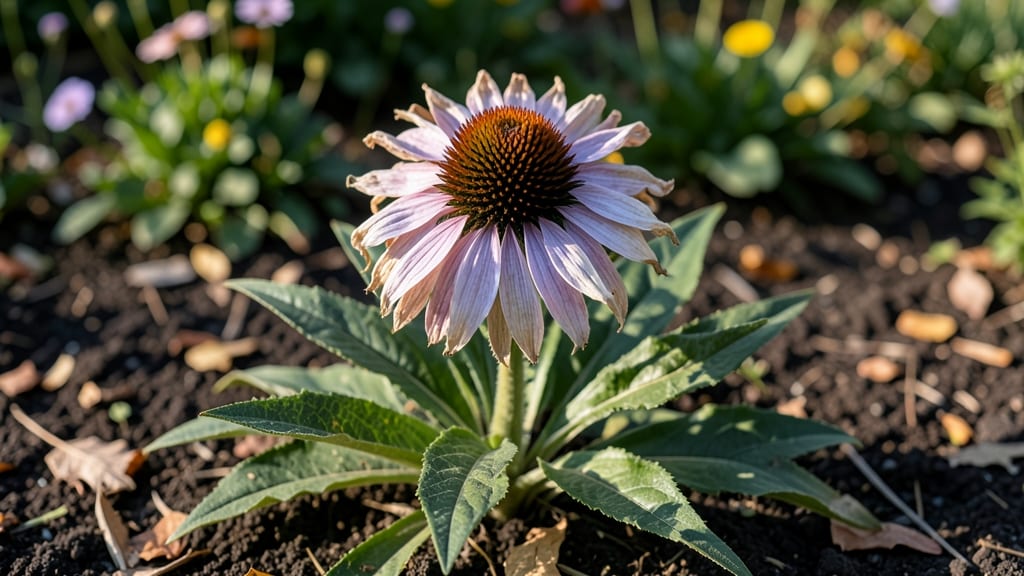
Harvesting echinacea seed heads at their peak transforms last season’s blooms into next year’s garden foundation. ✨ The dry-and-store method preserves these drought-resistant plants while ensuring a steady supply of seeds for propagation or winter interest.
My first attempt left seed heads rotting on the vine—until I learned the precise timing and handling that keeps them viable for months.
Timing is everything: harvest when seed heads turn from green to tan, typically late fall after the first frost, but before heavy rain. A sharp knife or pruners cuts stems cleanly, leaving 2-3 inches of stem attached.
Bundle them upside-down in a dry, airy space—like a garage or shed—for 2-4 weeks to fully dry before storage. This method mimics nature’s way of preserving seeds while preventing mold.
Once dry, store seed heads in paper bags (not plastic) to prevent moisture buildup. Label each bag with the variety and harvest date—some seeds stay viable for 2-3 years if kept in a cool, dark place.
The payoff? A head start on next season’s pollinator-friendly blooms, plus natural winter decoration that rivals store-bought dried flowers.
Pro tip: Deadhead spent blooms in early summer to redirect energy into seed production. Overwatering or over-fertilizing can reduce seed quality, so let plants focus on their natural cycle. With this method, you’ll have a sustainable source of echinacea—and the satisfaction of turning garden waste into next year’s growth.
📚 In This Guide
- What you need
- Instructions
- Tips and common mistakes
- Wrapping up and next steps
What you need
- ● Fresh echinacea seed heads: Harvest fully mature, brown seed heads (late summer to early fall). Aim for at least 10-15 heads for a reliable yield.
- ● Paper bags (brown kraft or breathable fabric bags): 1-2 bags per 5-10 seed heads (e.g., 3-4 bags total). Must be unsealed!
- ● Scissors or pruning shears: Sharp pair for clean cuts (sterilize with rubbing alcohol if reusing).
- ● Drying location: A dry, well-ventilated spot (e.g., garage, shed, or indoor area with airflow). Avoid direct sunlight or humidity.
- ● Labeling tags: Small plant labels or masking tape + marker to note variety/year.
- ● Seed-saving envelope: Paper envelope (e.g., Aunt Fannie’s) for long-term storage.
- ○ Desiccant packet: Tiny silica packet (optional) for extra-dry storage spaces.
- ● Magnifying glass: For inspecting seeds for pests/damage before storing.
Step-by-Step guide to harvesting and storing echinacea seed heads
Preserving echinacea seed heads ensures a steady supply of free, organic plants for years to come.
🌱 Step 1: Harvest Seed Heads at Peak Maturity
Wait until the seed heads turn a deep, papery brown and the petals have fallen away naturally. This typically occurs in late fall or early winter, after the first frost. Avoid harvesting when seed heads are still green or when moisture remains on the stems—this encourages mold growth during storage.
Use clean, sharp pruning shears to cut stems about 6 inches long, leaving a small portion of the stem attached. This helps maintain structural integrity during the drying process. Handle seed heads gently to avoid dislodging seeds prematurely. I always harvest on a dry, sunny day to minimize humidity exposure.
💧 Step 2: Clean and Prepare Seed Heads for Drying
Remove any remaining petals or debris by hand, but avoid touching the seed fluff itself—this can damage the delicate structures. Place the cleaned seed heads in a single layer on a clean, dry surface. A wire cooling rack or a piece of cardboard works well for airflow circulation.
Find a location with indirect sunlight and good air circulation, such as a windowsill or a well-ventilated room. Avoid direct sunlight, which can cause the seed heads to dry too quickly and crack. The drying process should take about 2-4 weeks, depending on your climate. You'll know they're ready when the seed heads feel light and brittle to the touch.
⏰ Step 3: Store Seed Heads in a Cool, Dry Environment
Once fully dried, place the seed heads in a breathable container, such as a paper bag or a mesh envelope. Avoid airtight containers—moisture buildup will ruin the seeds. Label each container with the echinacea variety and the harvest date to track freshness.
Store the container in a cool, dark place, such as a pantry or basement, where temperatures remain between 40-60°F. Under these conditions, echinacea seeds can remain viable for 2-3 years. Check periodically for signs of mold or pests, and discard any containers that show damage.
🌿 Step 4: Extract and Plant Seeds in Spring
In early spring, gently crush the dried seed heads over a clean sheet of paper to release the seeds. The fluffy seed fluff will catch the breeze, making it easy to separate viable seeds from debris. Discard any seeds that appear shriveled or discolored.
Sow seeds directly in the garden or in seed-starting trays filled with moistened potting mix. Press seeds lightly into the soil, about ¼ inch deep, and keep the soil consistently moist until germination, which typically occurs in 10-21 days. Thin seedlings to 12-18 inches apart to allow for proper growth and airflow.
Tips & tricks for perfectly preserved echinacea seed heads
These expert techniques ensure your seed heads remain viable and ready for next spring's planting.
Timing is Everything: Harvest echinacea seed heads only after a light frost, when they've turned deep brown and petals have naturally fallen away. This timing—typically late fall—ensures maximum seed viability. I've learned the hard way that harvesting too early (when stems are still green) results in poor germination rates, even after proper drying.
Drying Strategy: The 2-4 week drying period in Step 2 is non-negotiable for seed viability. For faster drying in humid climates, consider using a dehydrator set to 95°F with good airflow—just monitor closely to prevent cracking. Place seed heads in a single layer on a cooling rack to maximize air circulation around each stem. The goal is to reach that light, brittle texture without over-drying.
Storage Wisdom: While the 40-60°F storage range is ideal, I've found that adding a small silica gel packet to your breathable container extends viability beyond the 2-3 year mark. Label containers with both the variety and harvest date—this helps track which seeds are freshest for planting. Store containers vertically to prevent crushing delicate seed heads over time.
Pro Tips for Echinacea Seed Heads
- These expert techniques ensure your seed heads remain viable and ready for next spring's planting.
- Timing is Everything: Harvest echinacea seed heads only after a light frost, when they've turned deep brown and petal...
- Drying Strategy: The 2-4 week drying period in Step 2 is non-negotiable for seed viability. For faster drying in humi...
Frequently asked questions
When is the best time to harvest echinacea seed heads?
Harvest seed heads in late fall or early winter (after the first hard frost) when the cones turn brown and papery. This ensures seeds are fully mature but haven’t scattered yet. Avoid harvesting too early—they won’t store well!
How long can I store echinacea seeds before planting?
Properly dried and stored seeds stay viable for 1–2 years in a cool, dark place (like a sealed jar in the fridge or freezer). For best results, label them with the harvest date to track freshness.
What if my echinacea seed heads mold or get bugs?
If you spot mold or pests, discard the batch—they won’t store safely. To prevent issues, dry seeds in a well-ventilated area (like a mesh bag) and store them in an airtight container with silica gel packets for extra protection.
Can I use echinacea seed heads from store-bought flowers?
Unfortunately, no. Store-bought echinacea often comes from hybrid varieties that don’t produce viable seeds. Stick to seeds from your own garden or reputable organic seed suppliers for reliable blooms next year.
Do I need to clean the seeds before storing?
Lightly brush off debris, but don’t wash them—moisture encourages mold. For stubborn chaff, use a fine-mesh sieve or fan them out in a dry spot. Keep the process simple to avoid damaging the seeds!
Wrapping up and next steps
Harvesting and storing echinacea seed heads is a rewarding way to ensure next year’s vibrant blooms—all while embracing nature’s cycle! 🌱 With just a few simple steps, you’ll turn last season’s spent flowers into fresh, homegrown beauty. Ready to give it a try? Grab your pruners, follow the guide, and enjoy the satisfaction of a thriving garden built on patience and care.
Start small—even a handful of seeds can make a difference. Next step: Plant them in well-draining soil, keep them moist, and watch as your garden flourishes with echinacea’s iconic purple and pink blooms year after year!