
Lawn
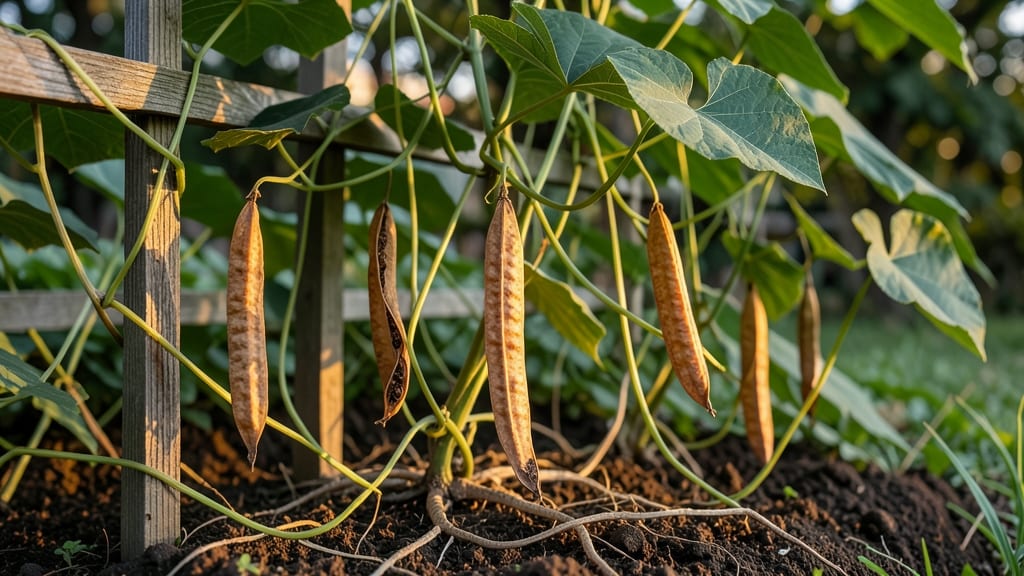
Moonflower vine seed pods hold the secret to next year's midnight blooms—if you harvest them right. 🌙 I've learned that twisting pods open ruins seeds, but there's a better way: wait for them to split naturally on the vine, then gently coax the seeds out without a mess.
The pods turn from green to brown when ready, usually by late summer. Collect them on a dry day, lay them on newspaper to dry completely, then rub the dried pods between your palms to release the seeds.
Store them in a paper envelope in a cool, dark place until planting season. When spring arrives, scatter seeds directly in well-drained soil where you want vines to climb. They sprout quickly in warm soil and reward you with those iconic white trumpets that open at dusk.
The key is patience—moonflowers grow fast but need sturdy trellises. This method works for any climate where moonflowers thrive. Save seeds year after year, and you'll always have fresh vines ready to transform your garden into a twilight wonderland.
📚 In This Guide
- What you need
- Instructions
- Tips and common mistakes
- Wrapping up and next steps
What you need
- ● Moonflower vine (Ipomoea alba) – Ensure pods are fully mature (dry, brown, and slightly papery to the touch).
- ● Pruning shears or sharp scissors – For cleanly snipping pods without damaging the vine.
- ● Paper bags or brown lunch bags – 2-3 bags (one per harvest session to avoid cross-contamination).
- ● Tweezers or fine-tipped gloves – Helps gently open pods without crushing seeds.
- ○ Small bowl or tray – For sorting seeds (optional but handy!).
- ● Labeling tags & permanent marker – To mark bags with the harvest date/year.
- ○ Fine mesh sieve (optional) – For sifting out debris if seeds are stored long-term.
- ○ Desiccant packets (optional) – Keeps seeds dry in airtight containers.
- ● Patience – Wait until pods are completely dry (usually late summer/fall).
- ● Sunny, dry day – Prevents moisture from sticking seeds together.
- ○ Garden gloves (optional) – Protects hands from vine hairs (mildly irritating to some).
Instructions for harvesting moonflower vine seed pods
Here’s how to collect seeds without twisting vines or wasting a single pod.
🌿 Step 1: Identify and Locate Mature Seed Pods
Moonflower pods turn from green to brown when ready—wait until they’re completely dry and papery to the touch. I check pods in the morning after a dry night; dew can make them feel damp even when fully mature. Look for pods that split open slightly at the seams or feel hollow when tapped gently.
Harvest pods directly from the vine using clean hands or pruners. Avoid tugging—this can damage the vine and leave behind empty husks. If pods are still green, leave them on the vine for another week. Overripe pods may crumble when handled, so act before they burst open naturally.
🪴 Step 2: Prepare a Clean Collection Surface
Spread a large sheet of newspaper or a shallow tray lined with parchment paper on a flat, dry surface. I use a baking sheet for easy cleanup. Avoid collecting seeds directly on fabric or carpet, as stray fibers can contaminate your seed stock. Keep the workspace indoors or under a covered area to prevent wind from scattering seeds.
Gently place each harvested pod on the surface. If pods are still slightly sticky, let them dry for 24 hours in a warm, dry spot. A sunny windowsill works well, but avoid direct sunlight, which can overheat the pods and reduce seed viability.
✂️ Step 3: Extract Seeds Without Damaging Them
Hold a pod over the collection surface and squeeze it firmly but gently between your palms. The pod should open easily, releasing seeds and a fine, papery husk. If it resists, let it dry another day—overly moist pods won’t split cleanly. Discard any pods that crumble into dust; these are past their prime.
Separate seeds from husks by running your fingers through the debris or using a small mesh strainer. I save the husks in a paper bag for composting—they break down quickly and add nutrients to the soil. Transfer clean seeds to an envelope or small paper bag labeled with the harvest date and variety.
💧 Step 4: Dry and Store Seeds Properly
Spread seeds in a single layer on a dry, breathable surface like a paper towel or mesh screen. Let them dry for 3–5 days in a cool, dark place with good airflow. A seed tray or even a cardboard box with holes punched in the sides works well. Check daily to ensure no moisture remains.
Once completely dry, store seeds in an airtight container like a glass jar or resealable bag. Keep them in a cool, dark pantry or refrigerator to maintain viability. Moonflower seeds stay good for 2–3 years under these conditions. Label the container with the harvest year—seeds lose potency over time, and fresh batches always perform best.
🌱 Step 5: Clean Up and Prepare for Next Season
After extracting all seeds, compost any remaining husks or debris. Rinse your collection surface with warm, soapy water to remove residual plant matter. I reuse the same tray each year—just a quick scrub keeps it ready for the next harvest. Toss any leftover vine material into the compost bin unless you notice signs of disease, in which case discard it in the trash.
Use this time to note which moonflower varieties performed best in your climate. Did some vines produce more pods? Did others struggle with pests? Jot down observations in a garden journal—next season’s harvest will thank you for the prep work. Store your saved seeds in a labeled envelope with the year and variety for easy reference.
Tips & tricks for perfect moonflower vine seed pod harvesting
These little tricks will help you maximize your moonflower harvest without wasting a single seed or damaging your vines.
Timing is Everything: The 24-hour drying time for sticky pods is non-negotiable—this gives them just enough time to firm up without losing viability. I've learned the hard way that rushing this step can lead to seeds sticking together or developing mold. Place pods on a mesh screen if you're worried about moisture, as this allows airflow from all sides.
Harvesting Technique: When harvesting in Step 1, use a small pair of pruning shears for pods high up on the vine—this prevents you from having to stretch or balance precariously. For lower pods, pinch between your thumb and forefinger just below the pod stem. The key is to make the cut clean so the vine can heal properly for next season's growth.
Seed Viability Check: Before storing your seeds in Step 4, do a quick float test to check viability. Drop a handful of seeds into a bowl of water—any that sink are viable, while those that float should be discarded. This simple test saves you from planting seeds that won't grow. I do this test right after the 3-5 day drying period before final storage.
Organization Strategy: Create a simple labeling system using masking tape and a permanent marker on your storage containers. I write the variety name, harvest date, and location on each container. This makes it easy to track which seeds are freshest and which varieties performed best in your garden conditions. You'll thank yourself next planting season!
Pro Tips for Moonflower Vine Seed Pods
- These little tricks will help you maximize your moonflower harvest without wasting a single seed or damaging your vines.
- Timing is Everything: The 24-hour drying time for sticky pods is non-negotiable—this gives them just enough time to f...
- Harvesting Technique: When harvesting in Step 1, use a small pair of pruning shears for pods high up on the vine—this...
Frequently asked questions
Got questions about harvesting moonflower vine seed pods? You’re not alone! Here are some of the most common queries—and their answers—to help you master twist-free seed saving like a pro.
When is the best time to harvest moonflower seed pods?
Harvest moonflower seed pods when they turn brown and dry but before they split open naturally. This usually happens in late summer to early fall (August–September in most climates). Wait too long, and the pods may release seeds prematurely—miss the window, and you’ll have to start over!
Why are my seed pods twisting or cracking when I try to harvest them?
Moonflower pods twist as a natural defense to scatter seeds. To avoid this, harvest pods early in the morning when they’re still slightly damp (less brittle). Use clean, sharp scissors or pruners to cut the stem cleanly—never pull or twist! If a pod cracks, collect the seeds immediately to prevent waste.
Can I save seeds from moonflower vines grown in containers?
Container-grown moonflowers produce seed pods just like their in-ground counterparts. Just ensure your pot is large enough (at least 10–12 inches deep) to support the vine’s growth. Harvest pods the same way, and store seeds in a cool, dry place until ready to plant.
What do I do if my moonflower pods won’t dry out?
Humid or rainy weather can delay drying. To speed things up, harvest pods and hang them upside down in a well-ventilated spot (like a mesh bag or paper bag with holes). Avoid direct sunlight, which can overheat and damage seeds. If pods stay damp for weeks, try spreading them on a tray lined with paper towels in a dry area.
Are moonflower seeds easy to store for next year’s planting?
Yes! Once fully dry, store seeds in a sealed, airtight container (like a glass jar or envelope) in a cool, dark place. Moonflower seeds remain viable for 2–3 years if kept dry. Label your container with the harvest year to track freshness—no need for fancy equipment!
Wrapping up and next steps
Harvesting moonflower vine seed pods is a rewarding way to embrace zero-waste gardening while ensuring a fresh supply of these enchanting blooms year after year. By mastering the twist-free technique, you’ll protect the plant, preserve seeds, and even share the magic with fellow gardeners. 🌙✨
Ready to dive deeper? Start small—plant a few seeds this season and watch your moonflower vine thrive! For extra inspiration, explore companion plants or creative ways to repurpose those stunning seed pods in your garden decor. Happy growing! 🌱💚