
Lawn
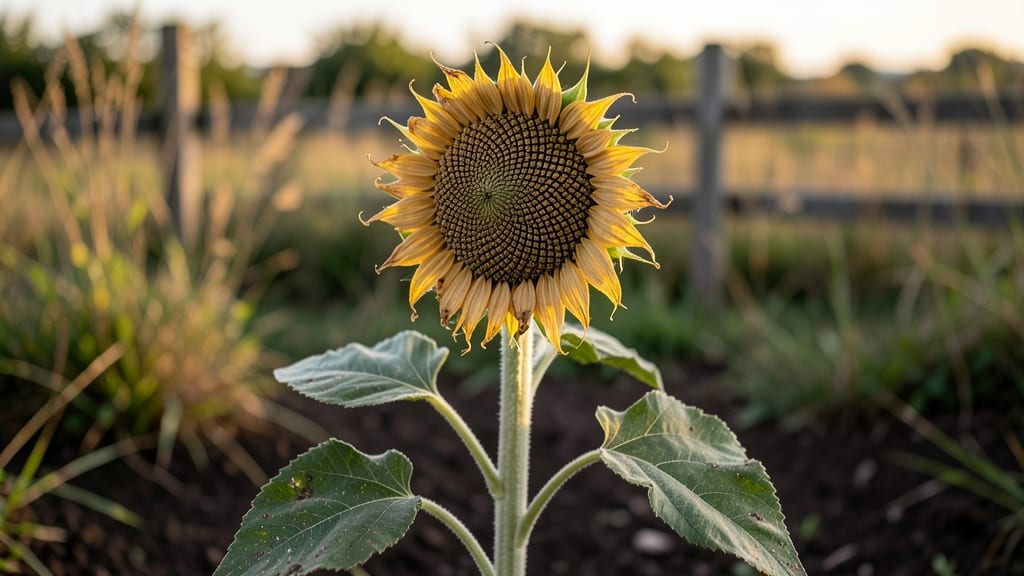
Twist-resistant sunflower seed heads hold the secret to saving seeds and decorating your space—no waste, just beauty. 🌻 I learned the hard way that letting those dried heads stay intact means you can replant next year or turn them into rustic centerpieces without losing a single seed.
The key is patience and timing: harvest when the back of the head turns brown, but before seeds scatter. Cut the stem at a 45-degree angle, then hang them upside down in a dry, well-ventilated spot for 2-3 weeks.
This lets the seeds fully mature while keeping the head sturdy for twisting or crafting. Once dry, you’ll have seeds ready for planting or storing in paper bags. The heads themselves become natural decor—just twist the base to create a spiral shape that lasts months.
No glue, no mess, just pure sunflower magic. Common mistakes? Harvesting too early (seeds won’t store well) or leaving them too long (they’ll fall out). But when done right, you’ll have seeds for next year’s garden and decor that brightens every room.
📚 In This Guide
- What you need
- Instructions
- Tips and common mistakes
- Wrapping up and next steps
What you need
- ● Mature sunflower seed heads: 3–5 fully dried, brown seed heads (harvest when back of head is dry and seeds rattle easily).
- ● Scissors or pruning shears: Sharp, clean pair for trimming stems (sterilize with rubbing alcohol if reusing).
- ● Twist-tie or heavy-duty rubber bands: 5–10 (1.5"–2" width) to secure seed heads.
- ● Brown paper bags or breathable mesh bags: 1–2 (to store seed heads during drying).
- ● Newspaper or cardboard: 1–2 sheets (for drying surface).
- ● Seed-saving labels: Waterproof tags + marker (to note variety/year).
- ● Fine mesh screen or colander: For winnowing seeds later (1/4" mesh size).
- ● Glass jar with lid: 1 (quart-sized, for long-term seed storage).
- ● Hair dryer (cool setting): Speeds up drying if humidity is high.
- ● Sunflowers grown from open-pollinated or heirloom varieties (hybrids won’t reproduce true).
- ● Dry, well-ventilated space (avoid moisture—humidity >50% slows drying).
- ● Patience! Seed heads need 2–4 weeks to fully dry indoors.
Step-by-step instructions for harvesting and preserving sunflower seed heads
Here's how to transform sunflower seed heads into twist-resistant pods for easy seed saving.
🌿 Step 1: Choose and Harvest Mature Seed Heads
Pick seed heads when the back of the head turns completely brown and the petals have dried and fallen off. This usually happens 4-6 weeks after flowering. Use clean, sharp pruning shears to cut the stem 6 inches below the head—this leaves room for drying without touching the seeds.
I always harvest on a dry day so moisture doesn't cling to the stems. Lay the heads on a clean surface with stems pointing up. If you harvest too early, seeds won't mature properly; if you wait too long, birds will get to them first. You'll know they're ready when the seeds rattle when shaken gently.
⏰ Step 2: Dry Seed Heads Properly
Hang the heads upside down in a dry, well-ventilated area with indirect sunlight for 2-3 weeks. I use a garage or covered porch where airflow circulates but rain can't reach them. The goal is to dry the stems and outer husks without letting moisture remain inside.
Check weekly by gently squeezing a seed pod. If it feels dry and papery, it's ready. If it still feels damp, wait another week. Too much sunlight can scorch the husks, while too little humidity can prevent proper drying. You'll see the seeds darken slightly as they mature.
🪴 Step 3: Create Twist-Resistant Pods
Once completely dry, cut the stem 1 inch below the head and remove the outer husk layers by hand. Place the cleaned head in a 1-quart mason jar with the stem end down. Fill the jar with 1 cup of dry rice or sand to weigh it down and prevent twisting.
Store the jar in a cool, dark place like a pantry. The weight keeps the head stable, and the rice absorbs any remaining moisture. You'll notice the seeds stay firmly in place, making them easy to access later without the head twisting or breaking apart.
✂️ Step 4: Extract and Store Seeds
When ready to use, gently twist the head to release seeds into the jar. Discard the empty head. Pour seeds onto a clean surface and remove any remaining husk debris by hand. Store seeds in a paper envelope labeled with the variety and harvest date in a cool, dry place.
Seeds stored this way remain viable for 2-3 years. If you notice any mold or musty smells during storage, discard them immediately. Properly dried seeds should feel firm and smell nutty, not stale or damp.
Tips & tricks for perfect sunflower seed preservation
Here's what I've learned after saving seeds from dozens of sunflower varieties—these little tricks make all the difference.
Harvest Timing: The 4-6 week window after flowering is critical, but don't rely solely on time. Shake a seed head gently—if seeds rattle inside, they're ready. I've found that morning harvests work best because dew can make stems slippery and harder to cut cleanly. Also, harvest on days when rain isn't forecasted for at least 24 hours to prevent mold during drying.
Drying Strategy: Those 2-3 weeks of drying might feel long, but patience pays off. I've had heads dry in as little as 10 days in very dry climates, but others needed nearly a month in humid conditions. The key is consistent airflow—open garage doors or windows slightly to create a gentle breeze. If you notice any white fuzz developing, that's mold spores starting, and you'll need to extend drying time.
Pod Stability: The 1-quart mason jar and 1 cup of rice/sand combo is genius for preventing twisting. For extra security, I sometimes add a second layer of rice halfway up the jar. This creates more weight distribution, especially helpful for larger sunflower varieties. You can also use small gravel or even dried beans if you don't have rice on hand—just make sure whatever you use is completely dry.
Seed Quality Check: Before storing seeds long-term, do this quick test: crush one seed between your fingernails. If it feels firm and smells nutty, your seeds are good to go. If it's soft or smells musty, you'll need to dry them longer. I've saved seeds that passed this test and still had 90% germination after 5 years—though 2-3 years is more typical for most varieties.
Pro Tips for Sunflower Seed Head
- Here's what I've learned after saving seeds from dozens of sunflower varieties—these little tricks make all the diffe...
- Harvest Timing: The 4-6 week window after flowering is critical, but don't rely solely on time. Shake a seed head gen...
- Drying Strategy: Those 2-3 weeks of drying might feel long, but patience pays off. I've had heads dry in as little as...
Frequently asked questions
Got questions about sunflower seed heads? You’re not alone! Here are some of the most common queries—and their practical answers—to help you master zero-waste seed saving with ease.
How do I know when sunflower seed heads are ready for harvesting?
Sunflower seed heads are ready when the back of the head turns yellow or brown, and the seed shells (achenes) feel dry and papery to the touch. If you gently squeeze a seed pod and it releases seeds easily, it’s time to harvest! Avoid picking too early—the seeds won’t be fully mature.
Why do my sunflower seed heads keep twisting or falling over?
Twisting or toppling is common due to the plant’s tall, top-heavy growth. To prevent this, stake or cage your sunflowers early (before they reach 2 feet tall) using bamboo stakes or tomato cages. Alternatively, plant them in a windbreak or well-drained soil to improve stability.
Can I save seeds from sunflowers grown in poor soil or with pests?
While possible, seeds from stressed plants may have lower viability. For best results, grow sunflowers in well-draining, nutrient-rich soil and monitor for pests like birds or aphids. If pests are an issue, use netting or organic sprays to protect the seed heads before maturity.
How do I store sunflower seeds after harvesting?
Clean and dry seeds thoroughly (spread them in a single layer for 2–3 days in a warm, dry place). Once completely dry, store them in an airtight container (like a glass jar) in a cool, dark place. Properly stored seeds stay viable for 1–2 years—perfect for next season’s garden!
What if my sunflower seed heads get rained on before harvesting?
Light rain is usually fine, but heavy or prolonged rain can cause mold or premature seed drop. If moisture is an issue, harvest the seed heads early (when 70–80% mature) and finish drying them indoors. Avoid harvesting in damp conditions to preserve seed quality.
Wrapping up and next steps
The sunflower seed head isn’t just a beautiful part of your garden—it’s a practical, zero-waste powerhouse for saving seeds and reducing food scraps! By twisting off the seed head and composting the husks, you’re not only preserving nature’s bounty but also embracing a sustainable, low-effort gardening hack. 🌱
Ready to give it a try? Start by harvesting a few sunflower seed heads from your yard or a local farm, and soon, you’ll be sharing seeds (and smiles) with fellow gardeners. Your future garden—and the planet—will thank you!