
Lawn
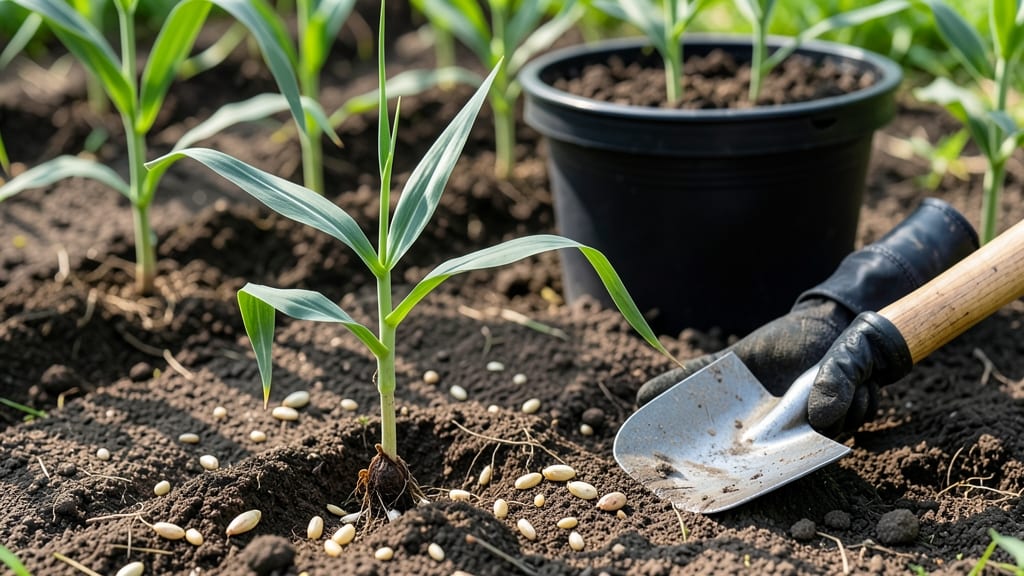
Growing maize from seed means 60 days of golden tassels and plump ears—but only if you nail the early stages. 🌱 I’ve learned that the difference between thriving plants and cold-stressed failures comes down to soil warmth, spacing, and patience.
Most beginners rush germination, but maize needs consistent heat to break through the soil. Start with well-draining soil warmed to at least 60°F—cold soil slows germination and invites rot. Plant seeds 1 inch deep and 12 inches apart, then cover lightly with soil.
A clear plastic dome or row cover keeps the soil warm until sprouts appear, usually in 7-10 days. Water gently at the base to avoid disturbing seeds. Once seedlings hit 4 inches tall, thin to 12-18 inches apart for strong stalks.
Watch for yellowing leaves—a sign of overwatering or poor drainage. Maize loves sunlight, so ensure 6+ hours of direct sun daily. By day 60, you’ll spot those iconic tassels, signaling ears are forming below.
Regional tweaks matter: Northern gardeners may need to start seeds indoors or use black plastic mulch to warm soil faster. Southern growers should plant early to avoid summer heat stress. The key is consistency—maize rewards patience with bountiful harvests in just two months.
📚 In This Guide
- What you need
- Instructions
- Tips and common mistakes
- Wrapping up and next steps
What you need
- ● Maize seeds: 1–2 lbs (450–900g) of high-quality, cold-tolerant hybrid seeds (e.g., Bodacious or Silver Queen). Choose seeds labeled for your USDA hardiness zone.
- ● Growing medium: Potting mix: 10–15 lbs (4.5–6.8 kg) of well-draining, sterile mix (e.g., Miracle-Gro Potting Soil).
- ○ Optional: Perlite or vermiculite (1–2 cups) for aeration.
- ● Containers: Seedling trays (72-cell) or biodegradable pots (3–4 inches deep).
- ● For direct sowing: Raised garden beds (12–18 inches deep) or open ground with loose, fertile soil.
- ● Planting tools: Hand trowel or transplanting spade.
- ● Seedling dibber (for precise planting).
- ● Watering: Watering can with a fine rose nozzle or hose with adjustable spray.
- ● Protection: Row covers or frost cloth (to shield young plants from cold snaps).
- ○ Optional: Plant heat mats (for indoor starts in cooler climates).
- ● Fertilizer: Balanced, slow-release fertilizer (e.g., 10-10-10) or compost (1–2 lbs per 10 sq ft).
- ● Support: Stakes or trellis (for tall varieties, 4–6 ft in height).
- ● Sunlight: Full sun (6–8+ hours daily).
- ● Soil temperature: Minimum 50°F (10°C) for germination (use a soil thermometer to check).
- ● pH level: Slightly acidic to neutral (6.0–7.0). Test soil with a kit if unsure.
- ○ Optional: Seedling heat mat (for indoor starts in zones below 5).
Step-by-step guide to growing maize from seed in cold climates
Here's how I grow vigorous maize plants that thrive even when nights stay chilly.
🌱 Step 1: Time Your Planting for Optimal Warmth
Maize needs soil temperatures above 60°F to germinate properly. Wait until two weeks after your last frost date when daytime highs consistently reach 70°F. I check soil temperature with a digital thermometer buried 2 inches deep—that's where roots will first emerge. Planting too early in cold soil leads to weak, stunted seedlings that never recover.
For cold-stressed blooms, focus on early-maturing varieties (like 'Early Sunglow' or 'Silver Queen') that can complete their life cycle before fall frost. These varieties typically mature in 60-70 days, giving you a better chance of harvest in cooler regions. Mark your calendar 12 weeks before your first expected frost to ensure you plant at the perfect window.
🪴 Step 2: Prepare Rich, Well-Drained Planting Beds
Maize thrives in loose, fertile soil with a pH between 6.0 and 7.0. Before planting, work in 2-3 inches of compost and a balanced 10-10-10 fertilizer at the rate of 1 pound per 100 square feet. I like to till this in 2 weeks before planting so the nutrients have time to integrate into the soil profile.
Choose a sunny location with full sun exposure (at least 8 hours daily). Maize is heavy feeders, so avoid planting where nightshades (tomatoes, peppers) grew last year—they share diseases. If your soil drains poorly, raise beds or incorporate sand or perlite to improve aeration. Compacted soil strangles roots and leads to poor yields.
💧 Step 3: Plant Seeds at Proper Depth and Spacing
Plant seeds 1 inch deep and 4-6 inches apart in rows spaced 30-36 inches apart. This spacing gives plants room to develop strong stalks and prevents fungal diseases from spreading through crowded foliage. I use a stake or dowel to mark rows—maize seedlings are tiny at first and easy to lose in the garden.
For 4 plants, you'll need about 12 feet of row space. Plant 2-3 seeds per hill and thin to the strongest seedling after 2 weeks when they have 2-3 true leaves. Remove weaker seedlings at the base with a clean snip—don't pull, or you'll disturb the roots of remaining plants. Water gently after planting to settle the soil around seeds.
☀️ Step 4: Maintain Consistent Moisture and Fertility
Keep soil evenly moist (not soggy) during germination and early growth. I water deeply every 2-3 days until plants reach 12 inches tall, then increase to 1 inch per week once tassels begin to form. Maize roots extend 3-4 feet deep, so deep watering encourages strong root development. Use a soaker hose to deliver water at the base—avoid overhead watering, which spreads fungal spores.
When plants reach 6 inches tall, apply a side-dressing of nitrogen-rich fertilizer (like blood meal) at the rate of ½ pound per 100 feet of row. This boosts leafy growth and stalk strength. Watch for silver streaks on leaves—this indicates nitrogen deficiency. In cold climates, mulch with straw 2 inches deep after germination to retain soil warmth and suppress weeds.
⏰ Step 5: Monitor for Cold Stress and Pollination
Cold nights below 50°F can damage maize tassels, reducing pollination. If frost threatens, cover plants with frost cloth at night. I also plant fast-maturing varieties to avoid late-season cold snaps. Watch for silking (the appearance of red or white silk strands)—this signals pollination readiness. If silks dry out before pollen arrives, hand-pollinate by brushing tassels over silks on a dry morning.
Harvest begins 60-70 days after planting when kernels feel plump and milky when pierced with a fingernail. For cold-stressed plants, check 2-3 ears per plant—some may mature unevenly. Cut stalks with pruners and hang in a dry, dark place for 2-3 weeks before husking. Store dried ears in paper bags in a cool, dry location for up to 6 months.
Tips & tricks for perfect maize growth in cold climates
Cold weather doesn't have to ruin your maize harvest—these practical tips will help you grow strong, productive plants even when temperatures dip.
Soil Temperature Matters: The 60°F soil temperature threshold is non-negotiable for germination. I've learned this the hard way after planting too early and watching seeds rot in cold soil. If your mornings stay chilly, consider using black plastic mulch to absorb heat and raise soil temperatures by 5-10°F. This creates a warmer microclimate that encourages faster germination.
Variety Selection Strategy: The 60-70 day maturity window mentioned for cold-hardy varieties is your safety net against late frosts. I always double-check my local frost dates and subtract 12 weeks to mark my planting window—this ensures I have enough growing season. For extra insurance, I plant a few extra seeds of my chosen variety (like 'Early Sunglow') in case some fail to establish.
Planting Depth Precision: That 1-inch planting depth might seem shallow, but it's perfect for cold climates. Shallower planting prevents seeds from getting too cold, while deeper planting can lead to weak, leggy seedlings. I use a ruler to ensure consistent depth—every seed should be covered with exactly 1 inch of soil. For extra protection, I gently press the soil around each seed to create good seed-to-soil contact.
Cold Stress Prevention: The 50°F nighttime threshold is critical for tassel development. When temperatures drop below this, I cover my plants with frost cloth at dusk and remove it by mid-morning. I've found that even a single cold night can reduce pollination success by 30-40%. For the final stretch before harvest, I also add a layer of straw mulch around the base of plants to create an insulating barrier against late-season chills.
Pro Tips for Seed Of Maize
- Cold weather doesn't have to ruin your maize harvest—these practical tips will help you grow strong, productive plants even when temperatures dip.
- Soil Temperature Matters: The 60°F soil temperature threshold is non-negotiable for germination.
- Variety Selection Strategy: The 60-70 day maturity window mentioned for cold-hardy varieties is your safety net against late frosts.
Frequently asked questions
Got questions about growing maize from seed? You’re not alone! Here are answers to the most common queries to help you cultivate cold-stressed blooms like a pro.
How long does it take for maize seeds to germinate?
Maize seeds typically germinate within 7–14 days after planting, depending on soil warmth and moisture. For faster sprouts, keep the soil consistently moist (not soggy) and maintain temperatures above 60°F (15°C). If germination takes longer, check seed viability—old seeds may need a fresh batch!
Can maize grow in cold climates or early spring?
Maize is warm-season and struggles below 50°F (10°C). For cold-stressed blooms, start seeds indoors 4–6 weeks before last frost or use row covers outdoors. Harden off seedlings gradually to avoid shock. In short seasons, opt for faster-maturing varieties (e.g., 60–70 days) to ensure harvest before frost.
What’s the best spacing for maize seeds to avoid overcrowding?
Plant seeds 1–1.5 inches deep and space them 4–6 inches apart in rows 2–3 feet apart. Thin seedlings to 12–18 inches apart once they’re 6 inches tall. Proper spacing ensures strong stalks, better pollination, and fewer pests. Pro tip: Use a grid or string guide for precise planting!
Why are my maize seedlings wilting or turning yellow?
Wilting or yellowing often signals overwatering, underwatering, or root rot. Check soil moisture—maize needs 1–1.5 inches of water weekly but hates soggy roots. Yellow leaves can also mean nutrient deficiency (try a balanced fertilizer) or pests (inspect for corn earworms or aphids). Rotate crops yearly to prevent soil-borne issues.
Can I save maize seeds from my harvest for next year?
Yes! Let ears dry completely on the stalk, then husk them and store seeds in a cool, dry place (like a paper bag). Seeds stay viable for 1–2 years. For best results, select the healthiest, largest ears from disease-free plants. Fun fact: Hybrid maize may not produce true-to-type seeds, so choose heirloom varieties if saving seeds is your goal.
Wrapping up and next steps
The seed of maize is a resilient powerhouse that can transform your lawn or garden into a thriving oasis—even in cooler climates! With the right preparation, patience, and care, you’ll be harvesting vibrant blooms or tender ears in just 60 days.
Whether you’re a seasoned gardener or a curious beginner, your efforts will yield rewarding results.
Ready to take the next step? Start small—plant a few seeds, observe their progress, and let your confidence grow! Soon, you’ll be sharing your green thumb success with neighbors or scaling up for a full garden. Happy planting! 🌱✨