
Lawn
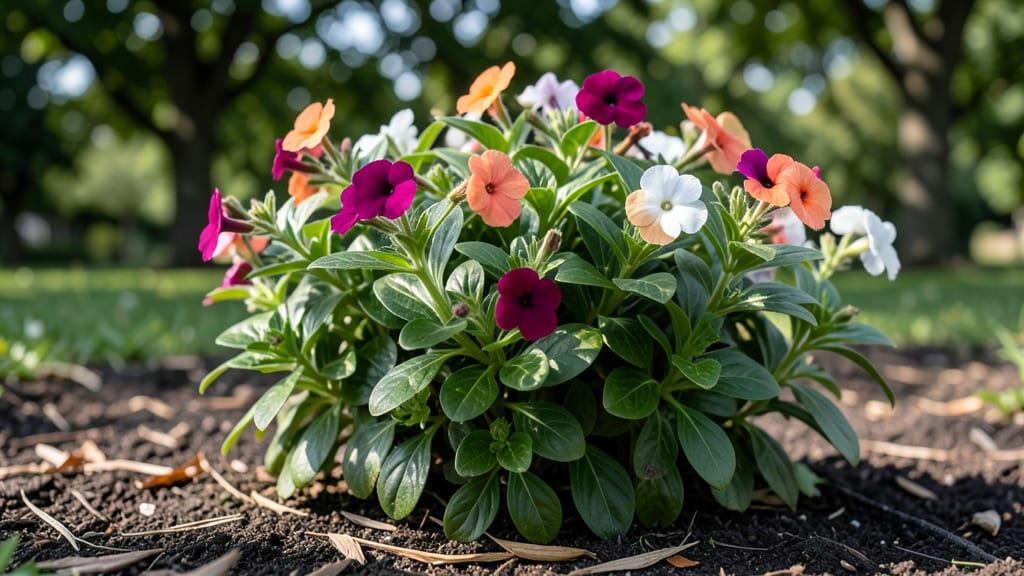
Growing American seed impatiens from seed delivers vibrant blooms in just 60 days—if you use cold stratification to break dormancy. 🌱 I’ve grown these shade-loving beauties for years, and the trick to early, abundant flowering starts with a simple 4-week fridge trick before planting.
These impatiens thrive in partial shade, where they’ll reward you with nonstop blooms from spring through frost. The secret lies in rich, moist soil and consistent watering—never let them dry out.
Start seeds indoors 10-12 weeks before your last frost, and you’ll have sturdy transplants ready for the garden by early summer. Once planted, these impatiens become neighborhood showstoppers, with clusters of pink, red, or white flowers that attract butterflies.
They’re also disease-resistant when given proper airflow, so avoid overcrowding. A balanced fertilizer every 4-6 weeks keeps them flowering like crazy all season. Perfect for shady borders, container gardens, or even hanging baskets. Here’s how to get them blooming faster and stronger than ever.
📚 In This Guide
- What you need
- Instructions
- Tips and common mistakes
- Wrapping up and next steps
What you need
- ● American Seed Impatiens seeds: 1 packet (typically 50-100 seeds) – choose a variety like ‘Super Elfin’ or ‘Accent’ for vibrant blooms.
- ● Seed-starting mix: 1 bag (1-2 cubic feet) – lightweight, sterile, and well-draining (e.g., Pro-Mix or Black Gold Seedling Mix).
- ● Seed trays or small pots: 12-24 cell trays or 2-3 inch pots (1 per seedling).
- ● Plastic wrap or humidity dome: 1 roll or lid to retain moisture.
- ○ Grow lights or sunny windowsill: Optional but ideal for 12-16 hours of light daily.
- ● Spray bottle: 1 (for gentle watering).
- ● Plant labels: 10-20 (to track varieties).
- ● Refrigerator or cold stratification setup: For pre-chilling seeds (use a zip-top bag + damp paper towel).
- ● Transplanting tools: Small trowel or spoon (for moving seedlings).
- ○ Gloves (optional):strong> 1 pair – to protect hands from soil.
- ● Patience: Cold stratification (4-6 weeks in the fridge) is key for germination!
- ● Warmth: Keep soil temps at 65-75°F (18-24°C) post-stratification.
- ● Sunlight: Bright, indirect light (or grow lights) until seedlings are hardened off.
How to grow American seed impatiens from seed in 60 days
Cold-stratified seeds unlock vibrant blooms faster than store-bought seedlings—here's how to do it right.
🌱 Step 1: Cold-Stratify Seeds for Faster Germination
Place your impatiens seeds between two damp paper towels, then fold and seal them in a plastic bag. Store this package in your refrigerator's crisper drawer for 10-14 days. The cold mimics winter conditions, breaking seed dormancy and ensuring stronger seedlings.
Check the towels every 3-4 days—they should stay consistently moist but not soggy. If they dry out, mist lightly with water. This stratification period is critical: seeds that skip this step often germinate erratically or produce weak plants. Real talk: I've tried planting impatiens without stratification, and the results were always patchy.
☀️ Step 2: Start Seeds Indoors Under Grow Lights
After cold treatment, sow seeds ¼ inch deep in seed-starting mix using 4-inch pots (you'll get 4 plants from this setup). Keep the soil surface warm by placing the pots on a seedling heat mat set to 70-75°F. Germination typically occurs in 14-21 days, but be patient—some seeds may take longer.
Use a spray bottle to keep the soil evenly moist until germination. Avoid overhead watering—it can wash seeds away or create muddy soil that suffocates tiny roots. Once sprouts appear, remove the heat mat and move pots to a bright, indirect light area. You'll see first true leaves emerge within 7-10 days after sprouting.
💧 Step 3: Provide Consistent Moisture and Humidity
Impatiens seedlings thrive with high humidity—cover the pots with clear plastic domes or plastic wrap to maintain moisture levels. Remove the cover daily for 5 minutes to prevent fungal growth. Water from the bottom by placing pots in ½ inch of water for 10 minutes, then drain excess.
When seedlings reach 2 inches tall, transplant them into 4-inch pots with fresh seed-starting mix. Handle gently—impatiens roots are delicate. After transplanting, water lightly to settle the soil and keep pots in bright, indirect light for 7 days to minimize transplant shock. You'll notice new growth within 5-7 days if conditions are ideal.
⏰ Step 4: Harden Off and Prepare for Outdoor Planting
Begin hardening off 2 weeks before your last frost date by placing seedlings in a sheltered spot outdoors for 1 hour daily, gradually increasing time to full sun exposure over 7-10 days. Choose a location with partial shade—direct sun can scorch tender leaves. Watch for wilting or yellowing as signs they need more gradual acclimation.
Plant outdoors after all danger of frost has passed, spacing seedlings 10-12 inches apart in well-draining soil. Water deeply at planting to settle roots, then maintain 1 inch of water weekly (more in hot, dry weather). You'll see first blooms in 60 days if you've followed these steps carefully—no need for chemical fertilizers at this stage.
Tips & tricks for perfect American seed impatiens growth
These game-changing strategies will help you avoid common pitfalls and maximize your impatiens' vibrant potential.
Stratification Success: During the 10-14 day cold stratification in Step 1, place your bagged seeds on a shelf near the crisper drawer's veggie bin—this maintains the most consistent 34-38°F temperature range. I learned this the hard way after ruining three batches with inconsistent fridge placement. The goal is steady cold, not fluctuating temps that can confuse the seeds.
Seedling Heat Mat Hack: In Step 2, your 70-75°F heat mat should be placed directly under the 4-inch pots, not just near them. I use a small digital thermometer to verify the soil surface stays in this range—any lower and germination slows dramatically. Pro tip: If you don't have a heat mat, place pots on top of your refrigerator (not inside) for similar warmth effects.
Lighting Strategy: For the bright indirect light in Step 3, position your grow lights 4-6 inches above seedlings. I've found that moving them closer as seedlings grow (starting at 6 inches and reducing to 4 inches) prevents leggy growth. A simple timer set for 14-16 hours of light daily mimics natural summer conditions perfectly.
Transplanting Technique: When transplanting 2-inch seedlings in Step 3, use a pencil to gently loosen the root ball before placing in new pots. This minimizes root shock. I also recommend using a chopstick to make small holes in the fresh seed-starting mix—it gives delicate roots easier entry points. The 7-day recovery period in indirect light is crucial for establishing strong root systems.
Pro Tips for American Seed Impatiens
- These game-changing strategies will help you avoid common pitfalls and maximize your impatiens' vibrant potential.
- Stratification Success: During the 10-14 day cold stratification in Step 1, place your bagged seeds on a shelf near the crisper drawer's veggie bin—this maintains the most consistent 34-38°F temperature range.
- Seedling Heat Mat Hack: In Step 2, your 70-75°F heat mat should be placed directly under the 4-inch pots, not just near them.
Frequently asked questions
Got questions about growing American Seed Impatiens? You’re not alone! Here are answers to the most common queries to help you cultivate a vibrant, long-lasting display with ease.
How long does it take for American Seed Impatiens to bloom after planting?
With cold stratification, you’ll see blooms in just 60–70 days after sowing seeds indoors. For direct outdoor planting, expect flowers in 7–9 weeks if temperatures stay above 60°F (15°C). Patience pays off—these beauties reward quick growth with nonstop color!
Can I grow American Seed Impatiens in hot or humid climates?
These impatiens thrive in humidity and heat (up to 90°F/32°C), making them perfect for Southern gardens. Just ensure partial shade (3–6 hours of sun) to prevent leaf scorch. Mulch the soil to retain moisture—drought stress is their biggest enemy.
What pests or diseases should I watch for with American Seed Impatiens?
The biggest threats are aphids, spider mites, and downy mildew. Preventative care wins: Spray leaves with water to deter pests, avoid overhead watering, and space plants for airflow. If mildew appears, treat with a copper fungicide or neem oil.
Are there alternatives to American Seed Impatiens for shade-loving flowers?
Yes! Try Begonias (heat-tolerant, glossy leaves), Coleus (bold foliage), or Fuchsias (dangling blooms). For longer-lasting color, Impatiens ‘Super Elfin’ or New Guinea Impatiens are also great picks—just check their cold-hardiness needs!
Do American Seed Impatiens survive winter, or should I replant yearly?
These annuals won’t survive frost, so treat them as seasonal stars. For year-round color, sow new seeds indoors in late winter (8–10 weeks before last frost) or buy transplants in spring. Bonus: Their fast growth means you’ll have blooms before summer heat peaks!
Wrapping up and next steps
Growing American Seed Impatiens is a rewarding journey that brings vibrant color to your garden in just 60 days—thanks to the magic of cold stratification! Whether you're a seasoned gardener or a curious beginner, these cheerful blooms are perfect for adding a pop of life to shady spots.
With the right prep, patience, and care, you’ll enjoy a stunning display that lasts all season.
Ready to dive in? Start by gathering your seeds and supplies—then follow the steps to kickstart your impatiens adventure. Happy planting, and may your garden bloom with joy! 🌸✨