
Lawn
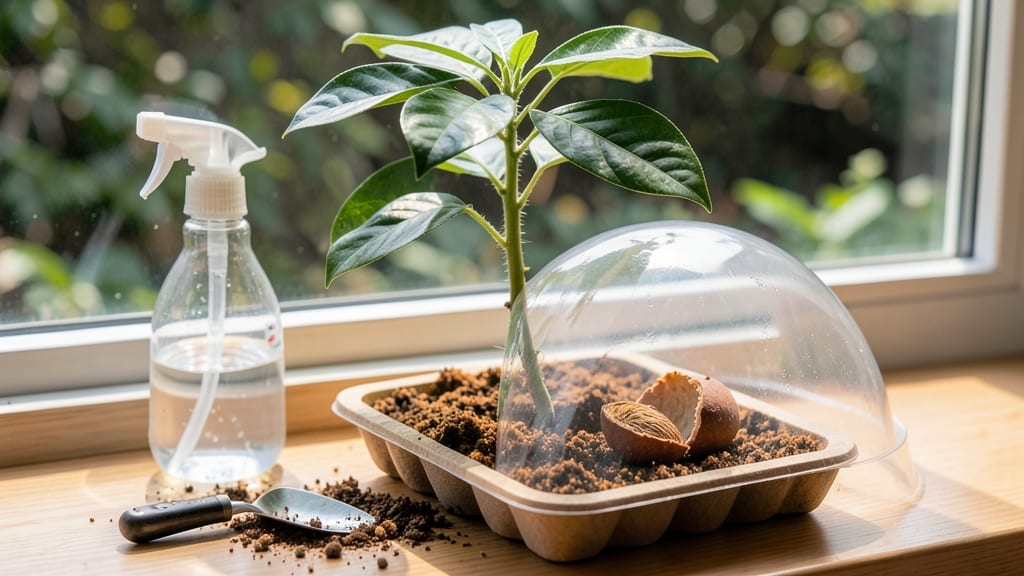
Growing a mango from seed in NYC feels like a tropical rebellion against winter. 🌱 The key is understanding how to coax those cold-stressed pods into germination—something I learned after my first batch of seeds refused to sprout.
It’s not about replicating Florida’s climate; it’s about working with NYC’s microclimates and indoor spaces to create the right conditions.
You’ll need a warm spot (like a sunny windowsill or grow light), patience, and a small pot with well-draining soil. The trick is mimicking the tropical warmth the seed craves—even in a city where frost is a yearly visitor.
Start with a ripe mango, extract the seed carefully, and let it dry for a few days before planting. Most seeds germinate within 2-4 weeks, but some take longer, so don’t give up if nothing happens right away.
Once your seedling pops up, you’ll watch it grow into a lush, broad-leaved plant that thrives indoors. With the right care—like rotating it for even light exposure and occasional outdoor time in summer—you can keep it alive for years.
The real magic? Seeing those first leaves unfurl, knowing you’ve beaten the odds of NYC’s short growing season.
This method works even in small apartments or balconies, making it perfect for urban gardeners. Just remember: mango trees are slow growers, so think of this as a long-term project.
Start now, and in a few years, you might just have a tropical-looking plant that reminds you of warmer climates—right in the heart of the city.
📚 In This Guide
- What you need
- Instructions
- Tips and common mistakes
- Wrapping up and next steps
What you need
- ● Mango seeds: 3–5 fresh, plump seeds (harvested from organic, ripe mangoes—avoid hybrid or seedless varieties). Pro tip: 💡 Store seeds in a damp paper towel in the fridge until ready to plant!
- ○ Biodegradable seed-starting pots: 4–6 small pots (3–4 inches in diameter) with drainage holes. Optional: Use coconut coir pots for eco-friendly transplanting.
- ● High-quality potting mix: 1–2 bags of well-draining, sterile seed-starting mix (avoid garden soil—it’s too dense!). Bonus: Mix in perlite or vermiculite for aeration.
- ● Spray bottle: For gentle watering (avoid over-saturating seeds!).
- ● Plastic wrap or humidity dome: To create a mini greenhouse effect.
- ○ Heat mat (optional but helpful): A small seedling heat mat (70–80°F range) to speed up germination in NYC’s cooler climate.
- ○ Grow lights (optional): A full-spectrum LED grow light (12–16 hours/day) if natural light is limited (e.g., indoor starts or winter growing).
- ● Patience: Mango seeds can take weeks to months to germinate—NYC’s chilly springs may delay sprouting! 🌡️
- ● Indoor setup: A sunny windowsill (south-facing) or grow light station for early stages.
- ● Outdoor space: A sheltered, warm microclimate (e.g., near a brick wall or greenhouse) for transplanting seedlings once they’re 6+ inches tall.
- ● NYC-specific tip: Wait until after the last frost (mid-May) and after soil temps hit 70°F+ to move seedlings outdoors permanently.
- ● Seedling fertilizer (diluted): Start with a half-strength organic fertilizer (like fish emulsion) once true leaves appear.
- ● Mulch: Straw or shredded leaves to retain moisture and protect young roots.
- ● Pruning shears: For trimming leggy seedlings to encourage bushier growth.
- ● Thermometer/hygrometer: To monitor soil temp and humidity (ideal range: 75–85°F and 60–70% humidity).
Step-by-Step instructions for germinating mango seeds in NYC
Here's the foolproof way to coax mango seeds through their tricky cold-stress phase and into reliable germination.
🌱 Step 1: Extract and Prepare the Seed
Start with a ripe mango—pick one that yields slightly to gentle pressure. I always slice through the flat side where the seed sits, then twist gently to separate the pit from the flesh. Rinse the seed under cool water to remove any remaining pulp, then pat dry with a paper towel. The key here is removing all moisture from the outer skin—any remaining fruit residue will rot the seed before it germinates.
Place the clean seed between two paper towels, then fold them so the seed is snug but not crushed. This keeps it humid without being waterlogged. I like to use a clear plastic bag to hold the towels—it lets me monitor moisture levels without opening it daily. Store this setup in a warm, dark place like the top of your fridge or a seedling heat mat set to 75°F.
💧 Step 2: Cold-Stress the Seed for Reliable Cracking
After 7-10 days, check for a small crack in the seed coat—this is your signal that germination is about to happen. If you don't see one, return it to the warm spot for another 2-3 days. Once cracked, this is the moment that matters: transfer the seed to a zip-top bag with a damp paper towel and place it in your refrigerator for 7-14 days. The cold shock mimics the seasonal changes mango trees experience in tropical climates, breaking dormancy.
I know it seems counterintuitive to put seeds in the fridge, but this cold treatment dramatically improves germination rates. Watch for the crack to widen slightly—this means the seed is actively preparing to sprout. Remove it as soon as you see this change, then return it to room temperature for 24 hours before planting.
☀️ Step 3: Plant in Warm, Well-Draining Soil
Use a small 4-inch pot filled with a mix of 50% potting soil and 50% perlite—this ensures excellent drainage while retaining enough moisture. Plant the seed 1 inch deep, with the cracked side facing upward. Gently firm the soil around it, then water lightly until the surface feels damp but not soggy. I place a clear plastic dome over the pot to maintain humidity, but prop it open slightly to prevent fungal issues.
Keep the pot in a warm spot (70-80°F) with bright, indirect light—a south-facing window works well, but avoid direct sun until the seedling is established. You'll see the first true leaves emerge in 2-4 weeks, but don't be surprised if it takes longer in NYC's cooler indoor conditions. Patience here is key—rushing the process often leads to weak, leggy seedlings.
🌿 Step 4: Transition to Stronger Light and Care
Once the seedling reaches 4-6 inches tall and shows 4-5 true leaves, it's time to transition to stronger light. Move it to a south-facing window or under a grow light positioned 6 inches above the plant. At this stage, I start fertilizing lightly with a diluted fish emulsion (half-strength) every 4 weeks to encourage robust growth. Water when the top inch of soil feels dry, but avoid letting the soil stay soggy—mango seedlings are particularly sensitive to root rot.
Watch for yellowing leaves, which usually means either overwatering or insufficient light. If you see leggy growth (long, thin stems with widely spaced leaves), your light source isn't intense enough. Rotate the pot a quarter turn weekly so the seedling grows straight and sturdy. With consistent care, you'll have a healthy mango sapling ready for transplanting outdoors in 6-12 months.
Tips & tricks for perfect mango seed germination in NYC
NYC's unpredictable climate can make mango seed germination tricky—but these insider tips will help you beat the odds and grow a thriving seedling.
Seed Selection Matters: Choose mangoes that are ripe but still firm—those with a slight give when gently squeezed. Overripe mangoes often have seeds that are already compromised, while underripe ones won't germinate properly. I've found that Alphonso and Tommy Atkins varieties have the highest germination success rates in our climate.
Temperature Control: Maintain that 75°F warm spot during Step 1 by using a seedling heat mat if your fridge top isn't warm enough. NYC apartments can fluctuate wildly—keep the seed away from drafts or heating vents. If your home runs cool, consider placing the seed setup near a sunny window during the day, then moving it to a warmer spot at night. The consistent warmth is what triggers the initial cracking process.
Cold-Stress Timing: The 7-14 days in the refrigerator might seem like a wide range, but trust the process. Some seeds crack faster, others need the full time. Check daily for that telltale crack—it should be just a thin line at first. If you remove it too early, the seed won't be ready to sprout properly. Once you see the crack widen slightly, that's your cue to bring it back to room temperature for those crucial 24 hours before planting.
Light Transition Strategy: When moving your seedling to stronger light in Step 4, do it gradually. Start with just 2 hours of direct light per day, then increase by 30 minutes every other day. Sudden exposure can shock the delicate leaves, causing them to scorch. A south-facing window is ideal, but if you're using a grow light, position it 8-12 inches away initially—closer than the recommended 6 inches at first to avoid burning.
Pro Tips for Mango Seed Nyc
- NYC's unpredictable climate can make mango seed germination tricky—but these insider tips will help you beat the odds and grow a thriving seedling.
- Seed Selection Matters: Choose mangoes that are ripe but still firm—those with a slight give when gently squeezed.
- Temperature Control: Maintain that 75°F warm spot during Step 1 by using a seedling heat mat if your fridge top isn't warm enough.
Frequently asked questions
Can I grow a mango seed from NYC’s grocery store mangoes?
Most grocery store mangoes (like Keitt or Haden varieties) have viable seeds. Just avoid hybrid or irradiated fruit—check the sticker or ask staff. Pro tip: Save seeds from organic or locally sourced mangoes for the best germination rates.
Why do mango seeds need cold treatment (stratification) in NYC’s climate?
Mango seeds from tropical climates need a cold shock to mimic winter dormancy. NYC’s chilly winters can actually help! Place seeds in a damp paper towel in the fridge (35–40°F) for 4–6 weeks to break dormancy. Skipping this step = slow or no germination.
How long does it take for a mango seed to sprout in NYC?
With proper stratification, expect sprouts in 2–6 weeks. Keep soil warm (70–85°F) and moist—use a heat mat if needed. Patience is key! If nothing happens after 8 weeks, the seed may be non-viable or need longer cold treatment.
Can I grow a mango tree indoors in NYC and move it outside later?
Yes! Start seeds indoors (6–8 weeks before last frost) in pots with drainage. Once seedlings are 6+ inches tall, harden them off (acclimate to outdoor temps) before transplanting in spring. NYC’s short summers? Mangoes thrive in zones 10–11—expect limited outdoor growth; treat as a houseplant or overwinter indoors.
What if my mango seed sprouts but the seedling looks weak or yellow?
Yellowing leaves often mean overwatering or poor drainage. Use a well-draining mix (50% potting soil, 50% perlite) and water only when the top inch is dry. Too much cold or drafts can stress seedlings—keep them in a warm, sunny spot (or under grow lights).
Can I eat the mango fruit from a seed-grown tree in NYC?
Unlikely! Seed-grown mangoes take 5–10 years to fruit (if they do at all in NYC’s climate). Plus, homegrown mangoes from seeds are usually small, tart, and inconsistent. For edible fruit, graft a named variety onto your seedling or buy a nursery-grown tree. Fun fact: Even if it doesn’t bear fruit, your tree will be a stunning tropical accent plant!
Wrapping up and next steps
Growing mango seeds in NYC might seem tricky with the cold, but with the right techniques—like cold-stressing your pods—you can unlock a reliable germination process right at home. 🌱 Whether you're dreaming of a tropical lawn or just experimenting with tropical plants, your patience and care will pay off in lush, vibrant growth.
Ready to take the next step?
Start by planting your prepped seeds in well-draining soil and keep them cozy indoors until sprouts appear. Once they’re strong enough, transplant them outdoors in warmer months—your future mango tree (or bush!) will thank you.