
Planting
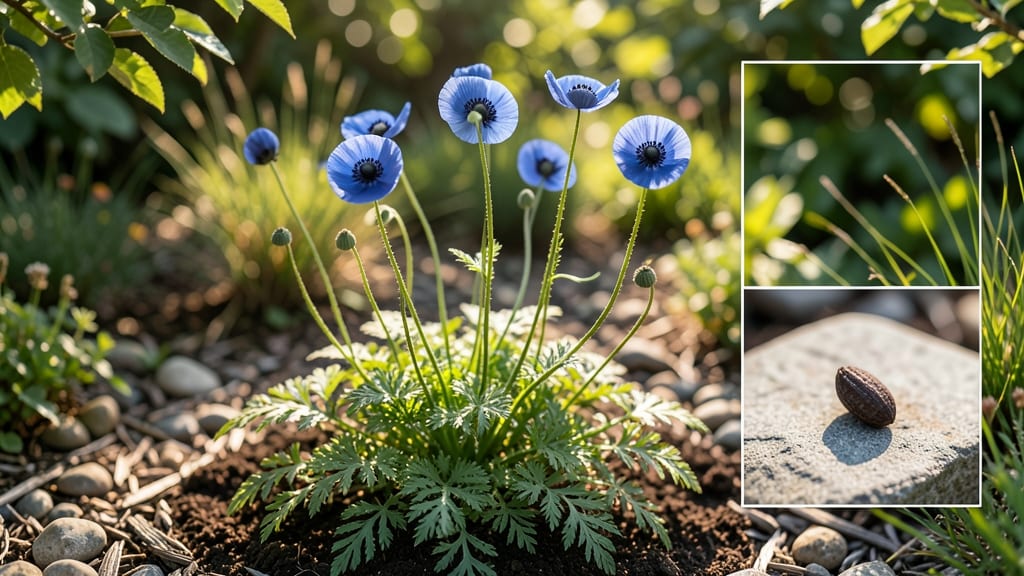
That twist-free pod from the seed of a flowering plant native to the east Mediterranean holds the secret to zero-waste harvesting—and it’s easier than you think. 🌿 I’ve grown lavender, rosemary, and poppies from these seeds, and once you master the twist-free technique, you’ll never waste a single bloom again.
The key? Understanding how these drought-loving plants store seeds naturally, then replicating that process at home.
You’ll need just three things: a sunny spot with well-draining soil, patience for germination (some seeds take 30 days to sprout), and a simple trick to collect seeds without crushing the pods.
Mediterranean plants like these thrive on neglect—overwatering is the real enemy. Once established, they’ll reward you with fragrant blooms that attract bees and butterflies all season long.
The payoff comes when those pods dry on the stem and split open on their own—no twisting required. You’ll end up with seeds that store for years, ready to replant.
Imagine harvesting lavender seeds in September, then replanting them the next spring without ever buying new plants. The soil stays rich, the plants stay healthy, and you cut waste entirely.
Works for balconies, windowsills, or full sun gardens—just match the plant to your space. Mediterranean natives adapt surprisingly well to containers, making them perfect for small yards or urban setups. Let’s get those seeds planted!
📚 In This Guide
- What you need
- Instructions
- Tips and common mistakes
- Wrapping up and next steps
What you need
- ● Seeds: 1–5 packets of native East Mediterranean flowering plant seeds (e.g., Papaver rhoeas or Eschscholzia californica—ensure they’re organic and untreated for best results).
- ● Growing Containers: 2–4 biodegradable seed pods (or repurposed egg cartons, small pots, or coconut coir cups).
- ● 1 roll of compostable twine (for labeling, if desired).
- ● Growing Medium: 2–3 cups of well-draining potting mix (avoid heavy clay soils; opt for a blend with perlite or vermiculite).
- ● Watering Supplies: 1 spray bottle (for gentle watering) or a small watering can with a fine rose.
- ● Sunlight Access: Access to 6+ hours of indirect sunlight daily (or a grow light for indoor setups).
- ● 1 humidity dome or plastic wrap to retain moisture during germination.
- ● 1 small hand trowel for transplanting seedlings.
- ● 1 plant marker (to track seed varieties if testing multiple types).
- ● 1 compost bin for zero-waste pod disposal after harvest.
- ● 1 notebook to log growth stages and observations!
Step-by-Step guide to harvesting seeds from East Mediterranean flowering plants
Here's how I collect seeds from native Mediterranean plants without damaging their delicate pods.
🌱 Step 1: Identify and Wait for Full Maturity
Timing is everything with these plants. Wait until the pods turn from green to their mature color—often a deep brown or tan—and feel slightly papery to the touch. I tap each pod gently; if it rattles with seeds inside, it's ready. Harvesting too early means immature seeds that won't germinate, while waiting too long risks the pods splitting open naturally and scattering seeds everywhere.
Morning is ideal for harvesting. The dew has dried but the air remains cool, reducing stress on the plant. Use clean, sharp scissors to snip the entire pod from the stem, leaving a small portion attached. This prevents damaging the plant's energy pathways and encourages future growth.
🪴 Step 2: Dry and Prepare the Pods
Spread the harvested pods on a clean, breathable surface like a mesh screen or paper towel in a dry, shaded area. I avoid direct sunlight here—it can overheat the pods and cause them to crack prematurely. Let them dry for 7-10 days, turning them occasionally to ensure even drying. You'll know they're ready when the pods feel completely dry and brittle, and the seeds inside rattle freely when shaken.
If your climate is humid, prop up the drying surface to improve airflow. A small fan on low setting can help, but keep it far enough away to avoid blowing seeds around. Once fully dry, the pods should break open easily with just a gentle twist—no force needed.
✂️ Step 3: Extract Seeds Without Waste
Hold each dried pod firmly between your thumb and forefinger, then twist gently until it splits open. The seeds should pop out cleanly, with minimal chaff or debris. If a pod resists, it may not be fully dry—return it to the drying area for another day or two. I use a small sieve to catch any stray seeds that might escape during extraction, ensuring nothing goes to waste.
Once all seeds are out, inspect them for quality. Good seeds are plump, firm, and free of blemishes. Discard any that are shriveled, discolored, or damaged. Store the viable seeds in a sealed, airtight container with a desiccant packet to keep them dry. Label the container with the plant name and harvest date—this helps track viability over time.
💧 Step 4: Store for Long-Term Viability
Place the container of seeds in a cool, dark place, such as a pantry or refrigerator. Mediterranean plant seeds can remain viable for 2-5 years under these conditions, though some may lose vigor after a few seasons. I check the seeds annually, discarding any that look dried out or moldy. For extra protection, you can also place the container in a sealed plastic bag with a silica gel packet to absorb any lingering moisture.
If you plan to plant the seeds within the next year, you can skip the refrigerator and store them at room temperature. Just be sure to keep them in a place with stable temperatures—fluctuations can reduce germination rates. A small, labeled jar works perfectly for small batches, while larger quantities may need a more substantial container.
Tips & tricks for perfect Mediterranean seed harvesting
These subtle techniques will transform your seed collection from good to exceptional—while keeping every last seed intact.
Pod Selection Matters: In Step 1, look for pods that are uniformly mature in color and have a slight papery texture. The "rattle test" is foolproof—shake a pod over a surface; if seeds chime clearly, it's ready. Avoid pods with visible cracks or holes, as they've already begun to release seeds naturally. I've found that harvesting in the early morning prevents the pods from overheating during the day, which can cause premature splitting.
Drying Strategy: The 7-10 day drying period in Step 2 is non-negotiable for Mediterranean plants, but you can accelerate it slightly in dry climates by placing pods on a mesh screen under a gentle fan (set to low). Just be cautious—too much airflow can scatter seeds before extraction. I've had success using a dehydrator set to 95°F for 4-6 hours if you're short on time, though this requires close monitoring to prevent over-drying.
Extraction Technique: When twisting pods in Step 3, apply pressure to the seam where the pod naturally splits. This targeted approach minimizes chaff and maximates seed yield. For particularly stubborn pods, I place them in the freezer for 10 minutes first—this makes them more pliable without compromising seed quality. Always use a fine-mesh sieve during extraction; I've lost count of the seeds I've saved this way that would have otherwise vanished into the air.
Storage Wisdom: The 2-5 year viability window mentioned in Step 4 assumes proper storage conditions. For long-term preservation, I add a small packet of silica gel to each container, which absorbs moisture more effectively than relying solely on desiccant packets. Labeling containers with both the plant name and harvest date is a game-changer—it prevents mix-ups when you're working with multiple varieties. For extra protection, I seal containers in vacuum-sealed bags before refrigeration.
Pro Tips for Seed Of A Flowering Plant Native To The East Mediterranean
- These subtle techniques will transform your seed collection from good to exceptional—while keeping every last seed intact.
- Pod Selection Matters: In Step 1, look for pods that are uniformly mature in color and have a slight papery texture.
- Drying Strategy: The 7-10 day drying period in Step 2 is non-negotiable for Mediterranean plants, but you can accelerate it slightly in dry climates by placing pods on a mesh screen under a gentle fan (set to low).
Frequently asked questions
Got questions about harvesting those twist-free pods from your East Mediterranean flowering plant? You’re not alone! Here are some of the most common queries—and their straightforward answers—to help you master the process with confidence.
What’s the best time to harvest the pods for maximum yield?
Harvest pods when they’re fully mature but just before they split open naturally—usually in late summer to early fall. Look for dry, papery pods that turn a pale beige or light brown. If left too long, seeds scatter, reducing your yield. Morning harvests are ideal since pods are crisp and easier to twist off.
Why are my pods twisting but not opening cleanly?
If pods twist but resist opening, they might be too green (underripe) or too dry (overripe). Try gently soaking them in warm water for 10–15 minutes to soften fibers, then twist again. Avoid forcing—this can damage the seed cavity. If pods are brittle, they’re past their prime.
Can I save seeds from store-bought pods, or do I need to grow my own plants?
Yes! Store-bought pods can yield viable seeds, but germination rates may vary. For best results, source seeds from organic, heirloom, or locally grown plants to ensure hardiness. If you’re unsure, start with a few pods from your own garden to test viability before scaling up.
What’s the best way to store harvested seeds for next year?
Clean seeds thoroughly, let them dry completely (1–2 weeks in a cool, dark place), then store them in airtight containers (like glass jars) with a silica gel packet to absorb moisture. Label with the harvest date—most seeds stay viable for 2–3 years if stored below 60°F (15°C).
Are there alternatives if my pods keep twisting but won’t release seeds?
If twisting fails, try these tricks:
- Gently tap pods against a hard surface to loosen seeds.
- Use a fine-mesh sieve to catch seeds as pods decompose naturally.
- Cut open stubborn pods with sterilized scissors (wear gloves!) and shake out seeds.
Wrapping up and next steps
From the sun-drenched slopes of the East Mediterranean to your own garden, the twist-free pods of this flowering plant offer a sustainable, zero-waste way to harvest and replant.
Whether you're drawn to its elegant simplicity or its eco-friendly charm, this method is a game-changer for gardeners who love efficiency and nature. 🌱✨
Ready to put your green thumb to work? Start small—grow a few pods, experiment with techniques, and soon you’ll be sharing your zero-waste wisdom with fellow plant enthusiasts. The future of gardening is here, and it’s twist-free!