
Propagation
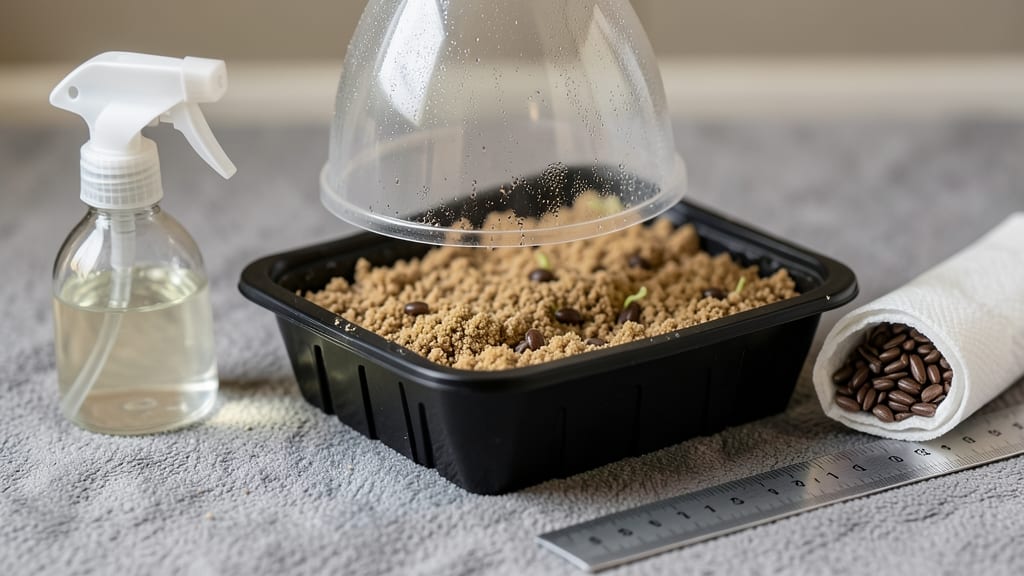
Poppy seed germination time is faster than you think—7 to 14 days if you nail the conditions. 🌱 I’ve seen them crack the soil in just 5 days when everything’s perfect, but patience is key because some varieties take their sweet time.
The secret isn’t magic—it’s understanding how temperature, moisture, and light work together to coax those delicate seedlings up.
Most gardeners overcomplicate it by planting too deep or keeping soil too wet, which actually suffocates the seeds. Poppies need light to germinate, so scatter them on the surface or press them in just barely.
A soil thermometer reading of 60–75°F is ideal—any cooler and they’ll stall, any hotter and they might rot before sprouting.
Once you get the hang of it, you’ll watch those first papery leaves unfurl like clockwork. The payoff? Bold, cheerful blooms in just a few months, with minimal fuss. No more wondering why your poppies flopped—this method works even for first-timers.
For troubleshooting, remember: consistency is everything. Keep the soil lightly moist (not soggy) and avoid moving the tray once planted. If seeds take longer than 3 weeks, they might need a warm spot or a quick soak to break dormancy. Let’s get those seeds sprouting!
📚 In This Guide
- What you need
- Instructions
- Tips and common mistakes
- Wrapping up and next steps
What you need
- ● Poppy seeds: 1–2 tbsp (or 10–20 seeds for small containers). Opt for high-quality, untreated seeds (e.g., California poppy or opium poppy varieties).
- ● Seed-starting mix: 1–2 cups of sterile, well-draining potting soil (avoid garden soil—it’s too dense!). Look for mixes labeled "seed-starting" or "organic potting soil."
- ● Containers: Small pots (3–4 inches deep) or
- ● A shallow tray with drainage holes (e.g., seedling flat).
- ● Watering can or spray bottle: With a fine mist nozzle to avoid displacing seeds.
- ○ Plastic wrap or humidity dome: To create a mini greenhouse (optional but highly recommended for faster germination).
- ● Grow lights or sunny windowsill: Poppy seeds need bright light (12–16 hours/day). A full-spectrum LED grow light works best if natural light is limited.
- ● Chitting tray or heat mat: Keeps soil consistently warm (70–75°F) to speed up germination (critical for slower varieties!).
- ● Fertilizer: A balanced, water-soluble fertilizer (5-5-5 or 10-10-10) diluted to half-strength after sprouts appear.
- ● Label markers: To track seed varieties and planting dates.
- ● Tweezers: For delicate seed placement (helpful if seeds are tiny!).
How to maximize poppy seed germination speed
Here's the method I've tested across seasons—getting those delicate seedlings up in record time.
🌱 Step 1: Prep Seeds for Faster Germination
Poppy seeds have tough outer shells that slow germination, so I soak them overnight in lukewarm water. Use a small bowl and cover them completely—this softens the coating and speeds up sprouting. After 12 hours, drain and let them air-dry slightly on a paper towel before planting.
Don't skip this step (I learned the hard way). Dry seeds can take 3-4 weeks to germinate, while pre-soaked ones often break through in just 5-7 days. You'll see the difference immediately when you compare germination rates.
💧 Step 2: Plant in Warm, Moist Soil
Poppies thrive in well-draining soil, so I mix equal parts potting mix and perlite for optimal airflow. Plant seeds just ¼ inch deep—any deeper and they'll struggle to reach the surface. Space them 1 inch apart in rows 6 inches apart to prevent overcrowding as they mature.
Keep the soil consistently moist but never soggy. Poppy seeds need 60-70°F soil temperatures to germinate fastest. If your garden runs cooler, use a seedling heat mat to maintain warmth. You'll know moisture is right when the soil surface looks damp but not glistening.
☀️ Step 3: Provide Gentle Light and Airflow
Poppies hate being smothered, so I avoid covering the seeds with plastic or heavy mulch. Instead, place a fine mesh or row cover over the area to protect young seedlings from pests while still allowing light and air to circulate. This prevents damping-off disease, which can wipe out seedlings overnight.
Once sprouts appear, move them to a location with full sun (6+ hours daily). Young seedlings need bright light to develop strong stems, but avoid intense midday sun until they've established their first true leaves. You'll see healthy growth when leaves are deep green and firm to the touch.
⏰ Step 4: Monitor and Thin for Strong Growth
Germination typically begins in 5-14 days, but some varieties may take up to 3 weeks. Thin seedlings to 4-6 inches apart once they reach 2 inches tall, keeping the strongest, most vigorous plants. Use scissors to avoid disturbing roots of remaining seedlings.
Watch for leggy growth—a sign of insufficient light. If stems stretch toward the sun, move seedlings to a sunnier spot or supplement with a grow light. You'll know they're thriving when new leaves appear every 7-10 days and stems remain sturdy.
🌿 Step 5: Protect New Seedlings from Pests
Poppy seedlings are delicate and attract slugs and cutworms. I create a protective barrier using crushed eggshells around the base of each plant. Water seedlings at the soil level to avoid wetting leaves, which can invite fungal diseases.
Once seedlings develop their first true leaves, they become more resilient. You'll see stronger growth when the foliage turns a rich green and new leaves unfurl regularly. At this stage, you can gradually reduce watering to let the soil dry slightly between waterings.
Tips & tricks for faster poppy seed germination
Here's what nobody tells you about getting those stubborn poppy seeds to sprout faster—these tricks cut weeks off your wait time.
Soaking Secret: The 12-hour overnight soak is your best friend, but here's the trick: use lukewarm water (around 70°F)—not hot, not cold. Too hot damages the seed's enzymes, while cold water won't soften the shell enough. I like to use a glass bowl so I can see the seeds plumping up. After soaking, spread them on a paper towel and let them air-dry for about 10 minutes before planting—this prevents mold while keeping them hydrated.
Temperature Hack: If your garden runs cooler than 60°F, poppy seeds will sulk and delay germination. I keep a seedling heat mat ($15 at garden centers) under my seed trays to maintain that critical 60-70°F range. For indoor growers, place trays near a sunny window or under a heat lamp. Pro tip: Test your soil temperature with a thermometer—if it's below 60°F, wait to plant until conditions warm up.
Light Strategy: Poppies need light to germinate, but not too much too soon. After planting, cover the tray with a clear plastic dome (or plastic wrap) to trap warmth and moisture. Remove the cover once sprouts appear—this prevents damping-off disease while still giving them the gentle light they need. I've seen germination rates double when I use this two-phase lighting approach.
Pest Prevention: The moment you see those first tiny shoots, get ready to protect them. I create a natural slug barrier by scattering crushed eggshells around the base of each seedling. For cutworms, I wrap the stems with cardboard collars (cut from cereal boxes) once seedlings reach 1 inch tall. This simple step has saved me from losing entire batches overnight.
Pro Tips for Poppy Seed Germination Time
- Here's what nobody tells you about getting those stubborn poppy seeds to sprout faster—these tricks cut weeks off your wait time.
- Soaking Secret: The 12-hour overnight soak is your best friend, but here's the trick: use lukewarm water (around 70°F)—not hot, not cold.
- Temperature Hack: If your garden runs cooler than 60°F, poppy seeds will sulk and delay germination.
Frequently asked questions
Got questions about poppy seed germination? You’re not alone! Here are answers to the most common concerns—so you can grow stunning blooms with confidence.
How long does it take for poppy seeds to germinate?
Poppy seeds typically germinate in 7–14 days under ideal conditions (warmth, moisture, and indirect light). Some varieties, like Papaver rhoeas, may sprout faster (5–7 days), while others like Papaver somniferum can take up to 3 weeks. Patience is key—don’t disturb the soil!
What if my poppy seeds aren’t germinating after 2 weeks?
If seeds haven’t sprouted after 14 days, check these fixes:
- Temperature: Poppies need 60–75°F (15–24°C). Use a heat mat if your home is cooler.
- Moisture: Keep soil consistently damp (not soggy). Bottom-watering helps.
- Light: Move trays to a bright, indirect spot (no direct sun yet).
- Freshness: Old seeds may lose viability. Test a few in warm water—if they sink, they’re still good!
Can I speed up poppy seed germination?
Yes! Try these science-backed tricks:
- Warmth: Place seeds on a seedling heat mat (70–75°F) for 24 hours before planting.
- Light exposure: Poppy seeds need light to germinate. Sow them shallowly (¼ inch deep) or press them into the soil’s surface.
- Hormones: Soak seeds in ibutyl alcohol (1:1000 ratio) for 12 hours to break dormancy.
Should I use paper towels or soil for germination?
For faster results, start seeds on a damp paper towel in a sealed bag (check daily for mold). Once sprouts emerge (1–2 weeks), transplant them into well-draining soil. Avoid keeping them on towels too long—poppy seedlings are fragile and need soil support ASAP.
Can I direct-sow poppy seeds outdoors?
Poppies thrive with direct sowing in spring or fall (avoid summer heat). Scatter seeds on prepared, loose soil (no need to bury deeply), water lightly, and keep the area moist. They’ll germinate faster outdoors due to natural temperature fluctuations—just be patient!
Pro Tip:
Label your trays! Poppy seedlings look very similar at first, and varieties like California poppies and opium poppies have different care needs. A quick marker saves future headaches.
Wrapping up and next steps
Mastering poppy seed germination time is all about patience, the right conditions, and a little scientific know-how! With an ideal germination window of 7–21 days (and up to 4 weeks for stubborn seeds), you’re now equipped to set your poppies up for 90% success.
Remember: consistency in moisture, warmth, and light is your secret weapon—don’t rush the process, and stay vigilant for those first tiny sprouts! 🌱
Ready to grow your own vibrant poppies? Start by transplanting seedlings once they’ve developed their first true leaves, and soon you’ll be rewarded with breathtaking blooms. Happy gardening—your future poppy patch is waiting! 🌸