
Propagation
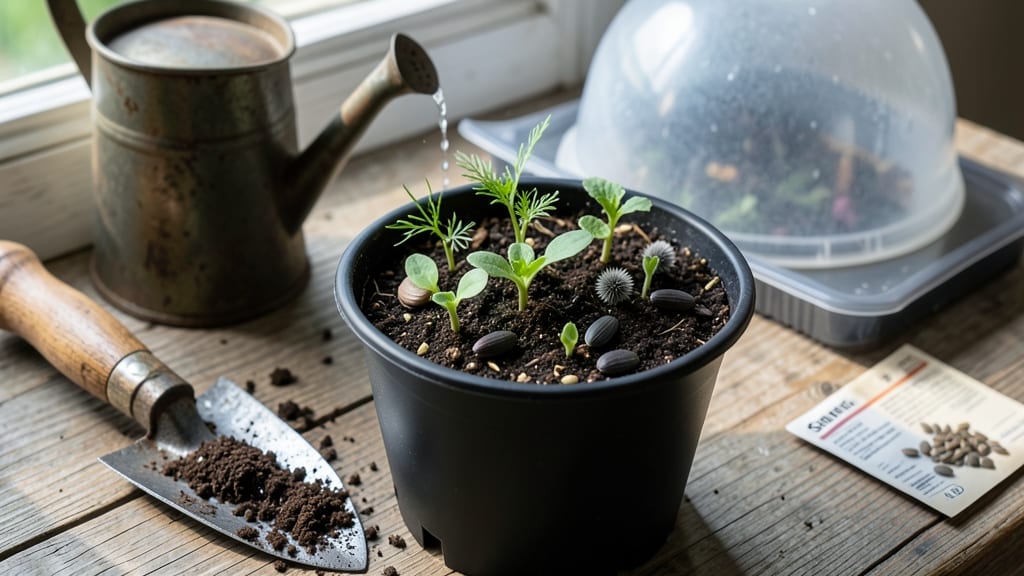
Wildflower seed germination time doesn’t rush to sprout—they take their time, often 7 to 30 days, depending on the species and spring’s mood. 🌱 I’ve learned that patience pays off when those first green shoots push through the soil, but knowing the right conditions can shave days (or even weeks) off the wait.
Annual wildflowers like cosmos and zinnias usually germinate in 7 to 14 days if soil stays above 60°F, while perennials like black-eyed Susans or coneflowers can take 2 to 6 weeks, sometimes longer if the ground is cool.
The key is matching seed type to your climate’s planting window—too early, and they’ll rot; too late, and summer heat will stall them.
Once you’ve got the timing right, the real magic happens: thin, delicate seedlings that transform into vibrant meadows. A light misting of water and a sunny spot do most of the work, but a clear plastic dome or row cover can cut germination time in half for slow starters.
Regional tweaks matter—northern gardeners should start seeds indoors or wait for soil temperatures above 55°F, while southerners can direct-sow as soon as the ground dries. The goal? Blooms by early summer, not next year’s wishlist.
📚 In This Guide
- What you need
- Instructions
- Tips and common mistakes
- Wrapping up and next steps
What you need
- ● Wildflower seeds: Choose native or regionally adapted varieties (e.g., Echinacea, Coreopsis, or Lupinus). Aim for 1–2 lbs per 100 sq ft for optimal coverage.
- ● Seed germination mix: A lightweight, well-draining blend (e.g., 50% peat moss, 30% perlite, 20% compost). Avoid garden soil—it can compact and suffocate seeds!
- ● Containers or trays: Seedling trays (with drainage holes) – 1–2 trays (10x20") for small batches.
- ○ Biodegradable pots (optional but eco-friendly) – 50–100 units (2–3" diameter).
- ● Watering can or spray bottle: A fine-mist nozzle prevents seed displacement.
- ● Clear plastic domes or plastic wrap: To create a humidity tent (cover the tray loosely).
- ● Grow lights or sunny windowsill: Seeds need 12–16 hours of light/day. A LED grow light (10W–20W) works if natural light is insufficient.
- ● Small hand trowel or spoon: For gently pressing seeds into the soil (avoid burying—most wildflowers need light to germinate!).
- ● Label markers & tags: To track seed types and planting dates.
- ○ Thermometer (optional): Monitor soil temp—most wildflowers germinate best at 60–75°F (15–24°C).
- ○ Heat mat (optional): Speeds up germination for slow starters (e.g., Delphinium).
- ● Fertilizer (balanced, low-nitrogen): 5-10-10 or 10-10-10 (diluted to half-strength) once seedlings sprout 2–3 leaves.
- ● Patience: Germination times vary—some seeds sprout in 7–14 days, while others take 30–60 days!
- ● Consistency: Keep soil moist but not soggy (overwatering = mold risk).
- ● Location prep: If direct-sowing outdoors, choose a sunny, well-draining spot with minimal competition from weeds.
How to time wildflower seed germination for reliable spring blooms
Understanding the science behind germination speeds lets you plan for vibrant spring displays without guesswork.
🌱 Step 1: Identify Seed Type and Stratification Needs
Wildflower seeds vary wildly in germination timing—some sprout in days, others need months. Check each packet for cold stratification requirements, as many native seeds require a winter chill period to break dormancy. I always separate seeds into three categories: immediate planters, cold-treated, and slow germinators.
For immediate planters like poppies or cosmos, germination occurs in 7-14 days under ideal conditions. Cold-treated seeds (like black-eyed Susans) may take 2-4 weeks once planted. Slow germinators like some native prairie species can take up to 60 days—patience is key here. The packet instructions are your best guide, but I cross-reference with regional seed guides for local varieties.
💧 Step 2: Prepare Soil and Plant at Optimal Depth
Wildflower seeds are tiny—most need light to germinate, so never bury them more than 1/8 inch deep. I use a fine-mesh screen to sift compost into the soil surface before scattering seeds. Lightly press them into the top layer with your fingers or a board to ensure good soil contact without burying them.
Moisten the soil thoroughly before planting, then water gently with a fine mist afterward. The goal is to keep the soil consistently damp but never soggy—damp like a wrung-out sponge is perfect. Overwatering can wash seeds away or create anaerobic conditions that prevent germination. I set up a gentle drip irrigation system for larger plantings to maintain even moisture without disturbing seeds.
☀️ Step 3: Maintain Ideal Temperature and Light Conditions
Most wildflower seeds germinate best at 65-75°F, though some cold-hardy varieties prefer cooler soil. Use a soil thermometer to monitor temperatures, especially in containers. If your climate swings between hot days and cold nights, consider using a cold frame or row covers to stabilize conditions.
Light is critical—seeds need 12-14 hours of daylight to germinate properly. Place trays or beds in the brightest spot available, even if it means supplementing with a grow light for 4-6 hours daily during cloudy periods. You'll see the first tiny sprouts emerge when soil temperatures and light align—watch for the radicle (root) breaking through first, followed by the shoot.
⏰ Step 4: Monitor and Adjust for Germination Speed
Track your germination progress with a simple chart noting when each seed type first appears. Poppies often sprout within 5-7 days if conditions are perfect, while native grasses might take 3-4 weeks. If nothing emerges after twice the expected time, gently scratch the soil surface to check for buried seeds or adjust moisture levels.
Once seedlings appear, reduce watering slightly—keep soil moist but not wet—to prevent damping-off disease, which causes young stems to collapse. Thin seedlings to 6-12 inches apart (depending on the species) once they develop their first true leaves. This prevents overcrowding and ensures stronger plants. I use small scissors to snip unwanted seedlings at soil level, then transplant the extras to a nursery bed for later use.
🌿 Step 5: Transition to Outdoor Conditions Gradually
After seedlings have 3-4 true leaves and are 2-3 inches tall, they're ready for outdoor hardening. Start by moving them to a sheltered spot outside for 1-2 hours daily, gradually increasing exposure over 7-10 days. This acclimation period prevents shock from sudden temperature or wind changes.
Plant outdoors after the last frost date, spacing according to mature plant size. Mulch lightly with straw to retain moisture and suppress weeds. You'll know your timing was right when plants bloom on schedule—typically 60-90 days after germination for annuals, or the following spring for perennials. The first flush of color is the best reward for precise timing and patience.
Tips & tricks for perfect wildflower seed germination
Mastering germination timing turns wildflower dreams into vibrant reality—here's how to optimize every step.
Seed Selection Strategy: Always cross-reference packet instructions with regional seed guides, especially for native species. Some wildflower mixes combine fast germinators (like poppies at 7-14 days) with slow varieties (up to 60 days). I create separate planting trays for each category to track progress accurately. This prevents frustration when only some seeds sprout early.
Temperature Precision: The 65-75°F range is critical for most seeds, but cold-hardy varieties actually prefer cooler soil (50-60°F). Use a soil thermometer to monitor conditions—especially in containers where heat can build up. If your basement stays around 60°F, it's perfect for cold-treated seeds but too cool for tropical varieties. Adjust placement accordingly.
Lighting Hack: During cloudy periods, supplement natural light with a simple LED grow light placed 6-12 inches above trays for 4-6 hours daily. Position lights so they don't generate excess heat—seeds need light, not warmth. I use a timer to automate this, ensuring consistent 12-14 hours of daylight without manual effort.
Troubleshooting Guide: If nothing emerges after twice the expected time (e.g., 28 days for poppies), gently scratch the soil surface with a popsicle stick to check for buried seeds. The radicle (root) often appears first—look for tiny white threads. This simple check saves weeks of wondering if seeds are viable or if conditions were wrong.
Pro Tips for Wildflower Seed Germination Time
- Mastering germination timing turns wildflower dreams into vibrant reality—here's how to optimize every step.
- Seed Selection Strategy: Always cross-reference packet instructions with regional seed guides, especially for native species.
- Temperature Precision: The 65-75°F range is critical for most seeds, but cold-hardy varieties actually prefer cooler soil (50-60°F).
Frequently asked questions
Got questions about getting your wildflower seeds to sprout like clockwork? You’re not alone! Here are some of the most common queries—and answers—to help you troubleshoot, plan, and succeed with your wildflower garden.
How long does it take for wildflower seeds to germinate?
Germination time varies by species, but most wildflower seeds sprout within 7–30 days under ideal conditions (consistent moisture, proper soil temp, and light exposure). Cool-season bloomers like bluebonnets may take up to 60 days, while fast growers like poppies can pop up in as little as 5–10 days. Patience is key—some seeds lie dormant until the right cues (like frost or rain) trigger growth!
Can I speed up germination for slower seeds?
For stubborn seeds, try these tricks:
- Stratification: Mimic winter by chilling seeds in moist sand or a damp paper towel in the fridge for 1–3 months before planting.
- Scarification: Lightly nick the seed coat with sandpaper or soak in warm water for 24 hours to help water penetrate.
- Warmth: Use a seedling heat mat (70–80°F) to coax faster sprouting for heat-loving varieties.
What’s the best time to plant wildflower seeds for spring blooms?
Timing is everything! For spring blooms, aim to plant seeds in:
- Fall (September–October): Seeds overwinter naturally, germinating early spring.
- Early spring (March–April): Plant as soon as soil is workable (60°F+).
Why aren’t my wildflower seeds germinating at all?
Don’t panic! Common culprits include:
- Poor soil contact: Seeds need light or darkness (check the packet!)—some need to be pressed just under soil.
- Inconsistent moisture: Keep soil damp (not soggy) until sprouts appear. A spray bottle helps.
- Wrong conditions: Some seeds need fire, smoke, or specific temps to germinate (e.g., prairie wildflowers).
- Old seeds: Viability drops after 2–3 years for most wildflowers.
Can I use wildflower seeds from last year’s garden?
It depends! Many wildflowers retain viability for 1–2 years if stored in a cool, dry place (like a sealed container in the fridge). However, perennials (e.g., coneflowers) often need fresher seeds for reliable germination. For annuals (like cosmos), last year’s seeds may still work—just test a few first!
Wrapping up and next steps
Understanding wildflower seed germination time unlocks the secret to vibrant spring blooms—whether you're a seasoned gardener or a curious beginner! 🌱 With the right conditions, patience, and a little science-backed care, your wildflower meadow can thrive in as little as 7 days (for fast germinators) or up to 6 months (for slow starters).
Ready to turn your garden into a buzzing ecosystem? Start by choosing the right seeds for your climate, then grab your supplies and dive into planting. Every seed you sow is a step toward a brighter, more colorful future—so get growing today! 🌸