
Lawn
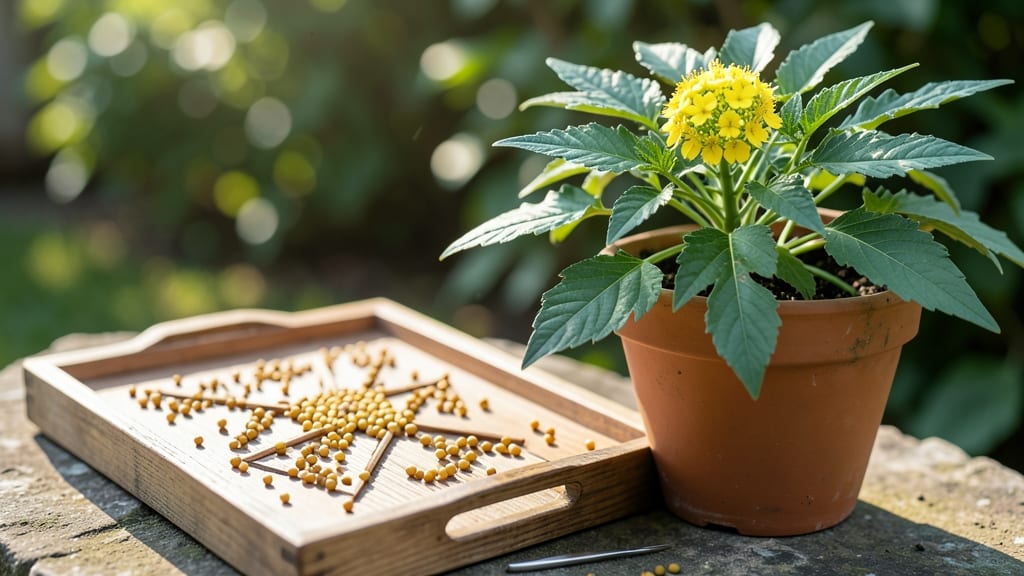
Twist-resistant mustard seed pods create stunning, zero-waste garden art that lasts through frost and rain. 🌱 I discovered this technique after struggling with delicate seed mosaics that crumbled in my first spring—these pods hold their shape while adding unexpected texture to pathways, borders, and container gardens.
The magic comes from their natural resilience: dried mustard seed pods resist cracking when bent slightly, letting you weave them into intricate designs. You’ll need just a handful of pods, a little wire or glue, and a flat surface to arrange your vision—no fancy tools required.
My favorite projects include spiral pathways and geometric border accents that catch sunlight like tiny stained-glass windows.
What you’ll end up with is decor that doubles as seasonal interest—when the pods open in spring, they reveal tiny seeds that self-sow into delicate mustard blooms.
The contrast of their deep brown against green foliage or light mulch creates a striking, organic look that feels intentional but requires almost no maintenance.
Works equally well in modern minimalist gardens or cottage-style plots—just adjust the scale. For larger designs, cluster pods in groups of 20-30; for delicate accents, use single pods spaced 2-3 inches apart. The possibilities are limited only by your imagination (and your patience for drying time).
📚 In This Guide
- What you need
- Instructions
- Tips and common mistakes
- Wrapping up and next steps
What you need
- ● Dried mustard seed pods: 10–20 pods (harvested fresh or store-bought, organic preferred for eco-friendliness).
- ● Natural adhesives: 1 small bottle of non-toxic glue (e.g., white glue or Mod Podge) or 1 tbsp flour paste (mix 1 tbsp flour + 2 tbsp water).
- ● Decorative elements: 1–2 twine strings (jute or hemp, ~12" long) for hanging.
- ○ Optional: acrylic paint (waterproof, non-toxic) + small brush for custom designs.
- ● Scissors (for trimming twine or pod stems).
- ● Tweezers (helpful for precise pod placement).
- ● Small paintbrush (if painting; size #2 or #4 works best).
- ● Newspaper or parchment paper (to protect your workspace).
- ○ Oven or heat gun (optional, for sealing painted designs—low heat, 5–10 mins).
- ● A well-ventilated area (if using paint or glue fumes).
- ● Patience! Let glue/paint dry fully (1–2 hours) before handling.
- ● Outdoor space (for hanging/displaying your finished art).
Step-by-step instructions for crafting twist-resistant mustard seed pods
Here’s how to create sturdy, decorative seed pods that double as functional garden art—no waste, all beauty.
🪴 Step 1: Gather and Prepare the Materials
Start with 4-6 dried mustard seed pods (harvested when fully brown and crisp). I like to collect them fresh from the garden in late summer, then dry them completely indoors for 7-10 days in a well-ventilated area. Avoid direct sunlight—it can bleach the pods prematurely. While drying, gather 4-6 small wooden skewers or thin branches (about 6-8 inches long), sanded smooth to prevent splinters.
Next, grab non-toxic glue (like white glue or a waterproof craft adhesive) and twine or thin jute string (about 1 yard total). For extra durability, I also like to add a small dab of clear sealant spray later to protect the pods from moisture. Keep everything within reach—this project moves fast once the pods are ready!
✂️ Step 2: Clean and Trim the Pods
Inspect each pod for damage. Use a small pair of scissors to snip off any jagged edges or broken stems—this ensures a clean finish. If a pod feels soft or damp, let it dry another day. The goal is crisp, intact pods that can hold their shape when twisted.
For a polished look, I gently rub the pods with a soft cloth to remove dust. This step is optional but makes a huge difference in the final aesthetic. Once clean, lay the pods flat on a non-stick surface (like wax paper) to prep for assembly.
🌱 Step 3: Assemble the Twist-Resistant Pods
Apply a small dot of glue to one end of a skewer, then press a pod onto it, leaving about ½ inch of skewer exposed. Hold for 10-15 seconds to secure. Repeat with a second pod on the same skewer, positioning it opposite the first (like a cross). This creates balance and prevents twisting as you work.
Once both pods are attached, wrap the twine tightly around the skewer where the pods meet, securing them in place. Leave ¼ inch of twine loose at the top and bottom for finishing. Repeat this process for all 4 skewers, spacing the pods evenly. Here’s the trick: don’t over-glue—just enough to hold, or the pods may crack when twisted.
💧 Step 4: Seal and Hang for Display
Let the glue dry completely (2-4 hours), then give the twine a final tighten. Trim any excess twine with scissors, leaving ½ inch for hanging. For outdoor use, spray the pods lightly with sealant to protect them from rain. If displaying indoors, skip this step—they’ll last just as long without it.
Hang your pods in a sunny spot (but not direct sunlight) to let them dry fully overnight. The twist-resistant design means they’ll stay intact even if bumped. For extra flair, group them in clusters or mix with dried flowers for a whimsical garden accent.
☀️ Step 5: Maintain and Repurpose
These pods are zero-waste—when they’re ready to decompose (after 1-2 years), simply compost them. For longevity, store extras in a cool, dry place (like a cardboard box) to prevent moisture damage. I’ve kept mine for 3+ years by re-sealing them every spring.
Need more? Use leftover pods to create mini mobiles or wall hangings by threading them onto fishing line. The possibilities are endless—and every piece tells a story of your garden’s cycle.
Tips & tricks for perfect mustard seed pod decor
These little tricks will help you create garden art that's both sturdy and stunning—without the frustration.
Pod Selection Matters: Harvest mustard seed pods when they're fully brown and crisp, but still intact. I've learned the hard way that any soft or damp pods will crack when twisted, no matter how carefully you work. If you're using store-bought pods, look for ones that feel dry to the touch and have no visible cracks. The perfect pods should feel like they're made of thin cardboard—lightweight but strong.
Glue Application Technique: In Step 3, when you're applying that small dot of glue to the skewer, less is more. I used to overdo it, thinking more glue meant stronger adhesion, but that's what caused my first batch to crack. Use just enough to create a thin layer—about the size of a pea—and press firmly for those 10-15 seconds. The key is letting the glue bond naturally rather than forcing it.
Twine Tightening Secret: When wrapping the twine around your assembled pods, pull it tight enough to secure but not so tight that you compress the pods. I find it helpful to make a few practice wraps on scrap twine first to get the tension right. This step is what actually creates the twist-resistant quality—if the twine is loose, your pods will spin freely when hung. A good test is to gently tug on the twine after assembly; it should hold firm but not feel rigid.
Drying Strategy: The 2-4 hour drying time for glue is crucial, but don't rush it. I've seen people impatiently handle their pods too soon, only to have them fall apart when hung. Place your finished pods on a flat surface in a warm, dry spot away from drafts. If you're in a hurry, you can speed up drying by placing them near a gentle heat source (like a lamp) for 30 minutes, then let them finish drying at room temperature. Just don't use direct heat, which can warp the pods.
Pro Tips for Mustard Seed Art
- These little tricks will help you create garden art that's both sturdy and stunning—without the frustration.
- Pod Selection Matters: Harvest mustard seed pods when they're fully brown and crisp, but still intact.
- Glue Application Technique: In Step 3, when you're applying that small dot of glue to the skewer, less is more.
Frequently asked questions
Got questions about mustard seed art? You’re not alone!
Here are some of the most common queries—and their answers—to help you dive into this creative, eco-friendly project with confidence.
What’s the best way to harvest mustard seeds without damaging the pods?
Harvest pods when they’re fully brown and crispy but still intact—usually 4-6 weeks after flowering. Gently twist or snap them off the stem (don’t pull!) to avoid breaking the delicate structures. Store them in a dry, breathable container (like a paper bag) to prevent moisture buildup. Pro tip: Wear gloves if you’re sensitive to mustard’s mild heat!
How long do dried mustard seed pods last as decor?
With proper care, your seed pods can last 1-2 years indoors or 6-12 months outdoors. Keep them in a cool, dry place away from direct sunlight to prevent fading or cracking. For outdoor displays, opt for sealed glass containers or waterproof cases to extend their lifespan. Bonus: Rotate pods seasonally for a fresh look!
Can I paint or dye mustard seed pods for a different look?
Use non-toxic, water-based acrylics or natural dyes (like turmeric or beet juice) for a zero-waste twist. Seal with a matte varnish to protect your design. Warning: Avoid oil-based paints—they can damage the pods over time. For a rustic vibe, try a light sanding with fine-grit paper before painting.
What if my pods develop mold or pests?
Mold or pests usually mean excess moisture. Fix it fast: Move pods to a dry, ventilated area immediately. For mild mold, wipe with a damp cloth and let air-dry completely. To deter pests, sprinkle a little dried lavender or cedar chips near storage. If infestation persists, toss the pods and start fresh—safety first!
Are there alternatives to mustard seeds for this project?
Yes! Try dill, fennel, or poppy seeds for similar textures, or use dried flower buds (like statice or baby’s breath) for a softer look. Just ensure your chosen seeds/pods are fully dry and sturdy enough to hold their shape. Experiment! Mix materials for a one-of-a-kind piece.
Wrapping up and next steps
Mustard seed art isn’t just a creative twist—it’s a zero-waste, sustainable way to elevate your garden decor while keeping pesky critters at bay! By crafting twist-resistant pods from mustard seeds, you’re blending functionality with eco-conscious design.
Whether you’re a DIY enthusiast or a gardening newbie, this project proves that small seeds can make a big impact.
Ready to grow your creativity? Start small—pick a design, gather your materials, and let your green thumb shine! Share your masterpiece with the world (tag #MustardSeedArt) and inspire others to turn trash into treasure. 🌱✨