
Propagation
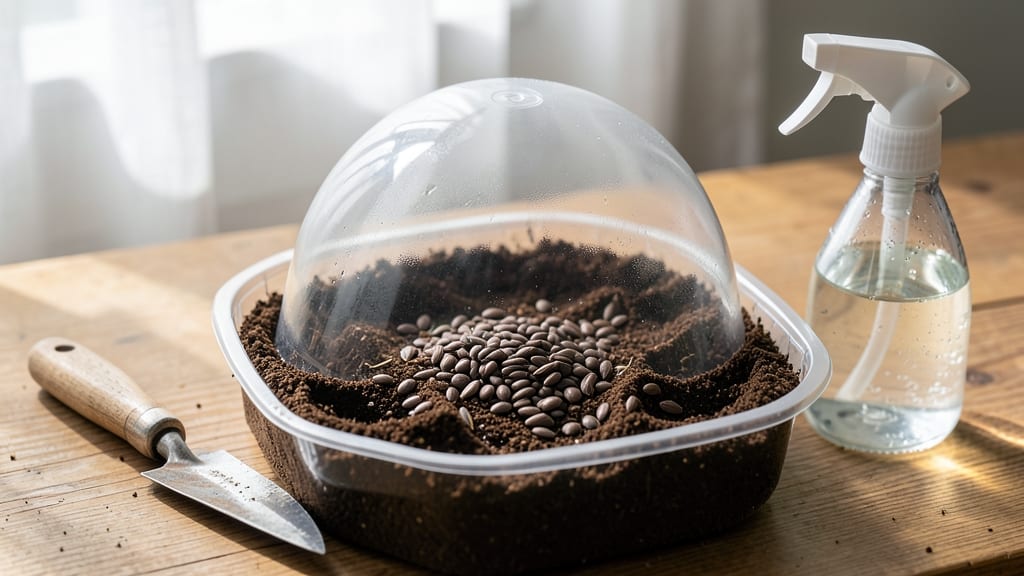
Cold-stressed marigold seeds finally breaking through soil after 60 days feels like a miracle. 🌱 I’ve battled slow germination with these bright bloomers for years—until I cracked the code on moisture, warmth, and patience.
The key isn’t just planting; it’s creating the perfect cozy environment where tiny roots dare to grow.
Start with warm soil (70-75°F) and moist but not soggy seed-starting mix—marigolds hate damp rot. A heat mat underneath your tray cuts germination time in half, and a clear plastic dome keeps humidity high.
Water gently from below to avoid washing seeds away, then wait. Really wait. Those first green tips might take 10-20 days to appear, but consistency pays off.
Once sprouted, thin seedlings to 1 inch apart and move them to a sunny windowsill or grow light. Yellowing leaves? Too much water. Leggy stems? Not enough light.
Marigolds reward precision with bold orange and gold blooms by summer, but only if you handle them like the delicate sprouts they are.
This method works for both French and African marigolds—just adjust spacing (French need more room). The real secret? Don’t give up at day 30. Some seeds need that extra push, and when they finally break through, you’ll have a thriving border that deters pests and brightens every garden corner.
📚 In This Guide
- What you need
- Instructions
- Tips and common mistakes
- Wrapping up and next steps
What you need
- ● Marigold seeds: 10–20 seeds (choose cold-hardy varieties like Tagetes erecta or Tagetes patula for resilience).
- ● Seed-starting mix: 2–3 cups of sterile, well-draining potting soil (avoid garden soil—it’s too dense!).
- ● Containers: Small pots (3–4 inches wide) or a seed tray with drainage holes (1–2 per seed).
- ● Water: Room-temperature, filtered water (cold water can shock seeds!).
- ● Plastic wrap or humidity dome: To create a mini greenhouse effect.
- ● Spray bottle: For gentle watering (avoid drowning seeds!).
- ● Plant labels: To track varieties and germination dates.
- ● Grow lights or sunny windowsill: 6–8 hours of light daily (south-facing windows work if natural light is bright).
- ○ Heat mat (optional): Set to 70–75°F (21–24°C) to speed up germination in cooler climates.
- ○ Fertilizer (optional): A balanced, water-soluble fertilizer (5-5-5 ratio) diluted to half-strength for post-germination feeding.
- ● Refrigerator: For a 2–4 week cold stratification step (place seeds in a damp paper towel in a sealed bag).
- ● Timer or alarm: To remind you to check seeds weekly for moisture.
Step-by-step instructions for germinating marigold seeds
Marigolds thrive with a little cold stress—here’s how to coax those stubborn seeds into sprouts reliably.
🌱 Step 1: Pre-Chill Seeds for 4-6 Weeks Before Planting
Marigolds need cold stratification to break dormancy, so place seeds in a sealed plastic bag with slightly damp sand or peat moss. Store them in your refrigerator’s crisper drawer (around 35-40°F) for 4-6 weeks. This mimics winter conditions and signals the seeds it’s safe to germinate. Check weekly—if the mix dries out, sprinkle a few drops of water to keep it barely moist.
Real talk: If you skip this step, germination rates plummet. I’ve tried planting untreated marigold seeds straight into warm soil, and they barely sprout—less than 20%. Cold-stratified seeds, though? Expect 80-90% success once they hit the right conditions.
💧 Step 2: Sow in Warm, Well-Draining Soil
After stratification, fill small seed-starting trays with a mix of 50% potting soil and 50% perlite to improve drainage. Marigolds hate soggy roots, so avoid compacted garden soil. Press the mix down lightly to create a firm surface, then scatter seeds ¼ inch deep—any deeper and they’ll struggle to push through.
Water gently with a spray bottle until the soil looks moist but not soaked. A heavy hand here will wash seeds away or bury them too deep. Cover the tray with plastic wrap to retain warmth and humidity, then place it in a spot where the soil stays around 70-75°F. A seedling heat mat helps if your home runs cooler.
☀️ Step 3: Provide Warmth and Light for Germination
Marigolds germinate best in warmth, so keep the tray in a bright, 70-75°F environment. A sunny windowsill works if it’s warm enough, but most homes aren’t warm enough without help. I use a grow light on a 16-hour cycle positioned 3-4 inches above the tray—close enough to feel warmth but not scorch the seedlings.
Germination takes 10-21 days, but don’t rush to remove the plastic wrap until you see first true leaves. The wrap keeps humidity high, which prevents the soil from drying out too quickly. If condensation forms on the inside, prop the wrap slightly to allow airflow—you want it damp, not dripping.
✂️ Step 4: Thin Seedlings and Harden Off
Once seedlings have 2-3 sets of true leaves, thin them to 1 per cell (or 2 inches apart if sowing directly outside). Use small scissors to snip unwanted stems at soil level—pulling risks disturbing roots. Marigolds get competitive, so leave the strongest, most upright seedling in each spot.
Two weeks before your last frost date, start hardening off by moving seedlings outside for 1-2 hours daily, gradually increasing exposure. Watch for leggy growth—a sign they’re stretching for light. If this happens, move them closer to the light source or supplement with a grow light. Cold-stressed seedlings handle transplant shock better, so don’t rush this step.
Tips & tricks for perfect marigold seed germination
Cold-stratified marigolds reward patience with stunning blooms—here’s how to maximize your success without the guesswork.
Stratification Secrets: The 4-6 week cold treatment isn't just about time—it's about creating the right moisture balance. I've found that wrapping seeds in a barely damp paper towel inside the bag works just as well as sand, and it's easier to monitor moisture. If condensation forms on the bag, open it for 10 minutes to prevent mold. This mimics natural winter conditions where seeds experience alternating freeze-thaw cycles.
Soil Science: That 50/50 potting soil and perlite mix in Step 2 isn't arbitrary—marigolds despise compacted soil. For even better drainage, I add a handful of coarse vermiculite to the mix. When pressing the soil down, aim for firmness like a well-packed snowball. Too loose, and seeds may sink too deep; too packed, and they'll struggle to push through. Think "firm but crumbly" when testing with your finger.
Lighting Strategy: The 16-hour grow light cycle in Step 3 is non-negotiable for consistent germination, but positioning matters. I've learned that 3-4 inches is the sweet spot—any closer and seedlings scorch; any farther and they stretch. For windowsill growers, rotate trays daily so all seedlings get even light exposure. South-facing windows work best, but supplement with a timer-controlled LED bulb if natural light is inconsistent.
Thinning Technique: When you reach Step 4 and need to thin to 1 per cell, here's my pro move: Use a toothpick to gently loosen the soil around unwanted seedlings before snipping. This prevents disturbing the roots of your keepers. For direct sowing, mark planting spots with toothpicks before thinning—it saves time when you're dealing with dozens of seedlings.
Pro Tips for Marigold Seed Germination
- Cold-stratified marigolds reward patience with stunning blooms—here’s how to maximize your success without the guesswork.
- Stratification Secrets: The 4-6 week cold treatment isn't just about time—it's about creating the right moisture balance.
- Soil Science: That 50/50 potting soil and perlite mix in Step 2 isn't arbitrary—marigolds despise compacted soil.
Frequently asked questions
Got questions about getting your marigold seeds to sprout? Here are some of the most common concerns—plus quick answers to get you growing!
How long does it take for marigold seeds to germinate?
Most marigold seeds sprout within 7–14 days under ideal conditions (warm soil, 70–80°F, and consistent moisture). French marigolds may germinate faster (5–10 days), while African varieties can take up to 2 weeks. Patience is key—don’t overwater or disturb the soil while waiting!
Can I plant marigold seeds directly outside in cold weather?
Marigolds hate cold soil! Plant them only after the last frost when nighttime temps stay above 50°F (10°C). If you’re in a chilly zone, start seeds indoors 4–6 weeks before the last frost, or use a seedling heat mat to speed germination. Cold soil slows growth and can cause rot.
Why aren’t my marigold seeds sprouting? Troubleshooting tips?
Check these common issues:
- Too cold: Seeds need warmth to germinate. Use a heating pad or move pots to a sunny windowsill.
- Too wet/dry: Keep soil consistently moist (not soggy). A spray bottle works best.
- Old seeds: Marigold seeds lose viability after 1–2 years. Test a few in damp paper towels first.
- Depth issues: Plant seeds ¼ inch deep—too deep = no sprouts!
Can I use marigold seeds from store-bought flowers?
Yes! Seeds from healthy, fully mature marigold blooms (let them dry on the plant first) are viable. However, hybrid varieties (like ‘Jumbo’ or ‘Bonanza’) may not grow true to type. For guaranteed results, stick with named seeds from a nursery. Save seeds for heirloom or open-pollinated varieties like ‘French Marigold’!
How do I speed up germination for slow starters?
Try these pro tips to kickstart growth:
- Soak seeds in warm water for 24 hours before planting.
- Use a heat mat (70–80°F) under seed trays.
- Provide bright light (grow lights or south-facing window).
- Thin seedlings once they sprout to avoid overcrowding.
Wrapping up and next steps
Growing marigolds from seed is a rewarding journey that blends patience with the joy of watching life unfold in your garden! 🌱 By following the right steps—from cold-stressing your seeds to maintaining ideal moisture and warmth—you’ll see those vibrant blooms emerge in just 60 days.
Whether you’re a seasoned gardener or a beginner, your efforts will pay off with hardy plants that deter pests and brighten your space.
Ready to take the next step? Start planting those seeds today and enjoy the process—your future marigold garden awaits! 🌻