
Propagation
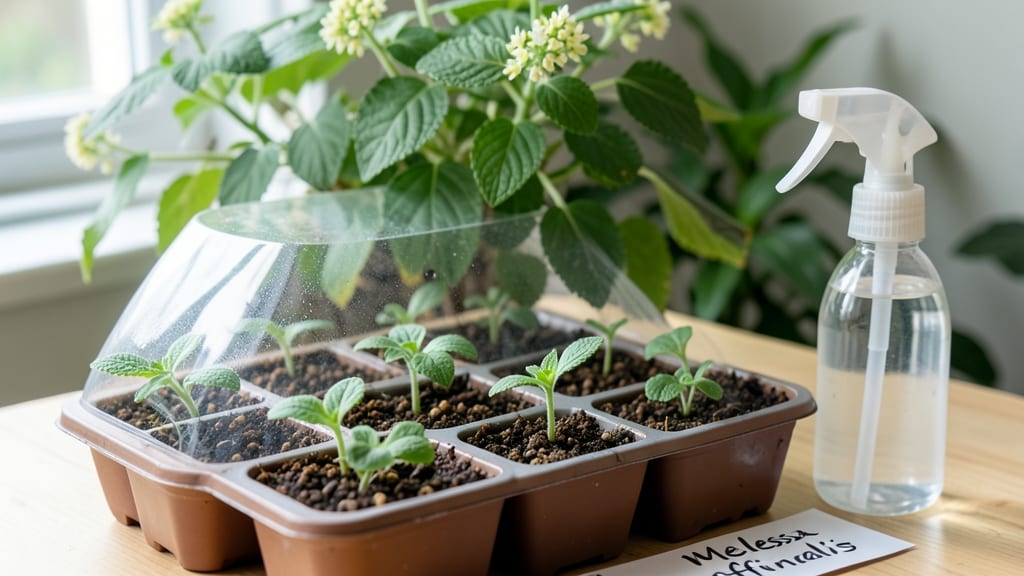
Mastering lemon balm seed germination takes patience—but 60 days of cold stress transforms stubborn sprouts into thriving plants. 🌱 I’ve wrestled with this process for years, and the secret lies in mimicking nature’s slow awakening, not rushing it with heat or light tricks that backfire.
The key is consistent moisture and cool temperatures (60–65°F) in a shaded spot. Too much warmth or direct sun signals seeds to bolt before they’re ready, leaving you with leggy, weak seedlings that flop at the first real frost.
Start with a shallow tray of damp, sterile potting mix—just enough to cover the tiny seeds without burying them.
By day 30, you’ll spot the first pale green shoots pushing through the soil, and by day 60, they’ll be sturdy enough to transplant. The payoff? Fragrant, hardy lemon balm that spreads like wildfire once established—no more struggling with root-bound nursery plants or wondering why your seeds refused to cooperate.
This method works for both indoor starts and outdoor sowing in cooler climates. The cold stress hardens seedlings, so they handle transplant shock like pros. Let’s get those seeds going the right way this time.
📚 In This Guide
- What you need
- Instructions
- Tips and common mistakes
- Wrapping up and next steps
What you need
- ● Lemon balm seeds: 1–2 teaspoons (about 30–50 seeds). Choose organic, non-GMO seeds for best results.
- ● Seed-starting mix: 1 quart (32 oz) of lightweight, sterile potting soil (e.g., Pro-Mix or coco coir blend). Avoid garden soil—it’s too dense!
- ● Containers: 2–4 small pots (3–4 inches deep) or a seed tray with drainage holes. Plastic or biodegradable pots work great.
- ● Watering can or spray bottle: With a fine mist nozzle to avoid disturbing seeds.
- ● Plastic wrap or humidity dome: To retain moisture during germination.
- ● Refrigerator (for stratification): A standard fridge with a crisper drawer (keeps temps around 35–45°F).
- ● Grow lights or sunny windowsill: A south-facing window (6+ hours of light/day) or a LED grow light (12–16 hours/day).
- ○ Seedling heat mat: (Optional) Keeps soil 70–75°F post-stratification for faster sprouting.
- ● pH meter or test kit: To check soil pH (ideal: 6.0–7.0 for lemon balm).
- ● Fertilizer (mild): A balanced, water-soluble fertilizer (e.g., 5-5-5) for transplanting.
- ● Label markers: To track planting dates (trust us, you’ll forget!).
- ● Fine-mesh screen: For covering pots if pests (like ants) are a concern.
How to germinate lemon balm seeds using cold stratification
Here's the method I use to break lemon balm's stubborn germination barrier—no fancy equipment, just patience and a little winter magic.
🌱 Step 1: Stratify Seeds for 60 Days in the Fridge
Lemon balm seeds need 60 days of cold stratification to break their dormancy. Place them in a sealed plastic bag with a lightly damp paper towel—just enough moisture to feel slightly damp, not soaking. I like to fold the towel into a square, sprinkle 10-15 seeds in the center, then fold it closed like a tiny seed burrito.
Put the sealed bag in a 35-40°F refrigerator for the full 60 days. Check the towel weekly—if it dries out, mist it lightly with water. The goal is consistent moisture, not soggy conditions. You'll see nothing happen visually, but inside those seeds, nature is doing its work.
💧 Step 2: Prepare Containers and Planting Mix
While seeds stratify, fill 4-inch diameter pots with a mix of 50% potting soil and 50% perlite. This airy blend prevents damping-off and gives young roots room to spread. Moisten the mix until it feels like a wrung-out sponge—damp but not dripping. I like to work in batches of 4 pots since we're aiming for 4 plants.
Leave the pots uncovered for 24 hours to settle. This lets any excess moisture evaporate slightly, preventing waterlogged conditions that can rot seeds. The surface should feel cool to the touch but not clammy when you run your finger across it.
⏰ Step 3: Sow Stratified Seeds and Monitor Moisture
After 60 days, remove seeds from the fridge and sow them ¼ inch deep in the prepared pots. Space them 1 inch apart—lemons balm self-seeds aggressively, so don't overcrowd. Cover lightly with additional mix, then mist gently until the surface looks uniformly damp. I use a spray bottle for precision, avoiding heavy watering that could dislodge seeds.
Place pots in a warm, bright location (65-75°F) with indirect light. You'll see the first sprouts in 7-14 days, though some seeds may take up to 3 weeks. Keep the soil surface moist but never soggy—this is where most germination failures happen. If the top inch feels dry, it's time to water again.
☀️ Step 4: Provide Gradual Light and Harden Off Seedlings
Once seedlings show 2 sets of true leaves, introduce them to 4-6 hours of morning sun daily. Lemon balm tolerates shade but grows leggy without adequate light. I start with a shaded windowsill, then gradually increase sun exposure over 1 week. Watch for leaves that look pale or stretched—this is your signal to move them closer to the light.
After 4 weeks of steady growth, begin hardening off by placing pots outside in partial shade for 2 hours daily. Increase outdoor time by 1 hour each day until they can handle full sun. You'll know they're ready when they bounce back from a full day outside without wilting.
🌿 Step 5: Transplant to Final Growing Location
Transplant seedlings to their permanent spot when they reach 4-6 inches tall and have 6-8 true leaves. Lemon balm thrives in partial shade to full sun, but avoid hot afternoon sun in hot climates—it can scorch tender leaves. Space plants 18-24 inches apart to allow for their spreading habit.
Water deeply at transplanting to settle roots, then maintain 1 inch of water weekly during dry spells. You'll notice new growth within 10 days—this confirms roots have established. Mulch with 2 inches of organic material to retain moisture and suppress weeds, which lemon balm doesn't compete with well.
Tips & tricks for germinating lemon balm seeds
A few key insights that'll help you navigate lemon balm's tricky germination process like a pro.
Cold Stratification Timing: The full 60 days in the fridge is non-negotiable for lemon balm—this mimics winter's natural dormancy break. I set a reminder on my phone for day 60 so I don't forget, because those seeds won't sprout without it. If you're impatient, you can check for viability by gently pressing a seed between two paper towels and looking for a tiny crack after 30 days.
Moisture Management: The damp paper towel trick works best when you aim for "wrung-out sponge" consistency—not dripping, not bone-dry. I use a spray bottle to check moisture weekly: if the towel feels lighter than a damp washcloth, it's time to mist it. Too much moisture causes mold; too little means the seeds won't activate. This is where most germination failures happen.
Light Transition Strategy: When moving seedlings to sunlight in Step 4, I recommend starting with just 2 hours of morning sun on day 1, then adding 1 hour daily**. This gradual approach prevents sunburn on tender leaves. Watch for pale yellow leaves—they're begging for more light, not less. Lemon balm can handle full sun eventually, but it needs time to adjust.
Seedling Rescue: If your seedlings develop black spots or mushy stems (a sign of damping-off), immediately remove affected plants and reduce watering. The 50% perlite mix in Step 2 is your first line of defense against this fungal issue. For stubborn cases, I've had success with a 1:10 dilution of hydrogen peroxide spray (1 part 3% peroxide to 10 parts water) applied to the soil surface.
Pro Tips for Lemon Balm Seed Germination
- A few key insights that'll help you navigate lemon balm's tricky germination process like a pro.
- Cold Stratification Timing: The full 60 days in the fridge is non-negotiable for lemon balm—this mimics winter's natu...
- Moisture Management: The damp paper towel trick works best when you aim for "wrung-out sponge" consistency—not drippi...
Frequently asked questions
Got questions about getting your lemon balm seeds to sprout? You’re not alone! Here are some of the most common concerns—and their solutions—to help you grow cold-hardy, thriving plants in just 60 days.
How long does it take for lemon balm seeds to germinate?
Lemon balm seeds are notoriously slow, often taking 2–4 weeks to sprout—especially if they’re fresh. Cold stratification (chilling them for 1–2 weeks) can speed this up. Be patient! If they don’t sprout in 6 weeks, they may need more time or a fresh batch.
Do lemon balm seeds need cold stratification?
Yes! These seeds benefit from cold stratification (4–6 weeks in the fridge) to break dormancy. Skip this step, and germination rates drop dramatically. For best results, mix seeds in damp sand or a paper towel, seal in a bag, and refrigerate before planting.
Can I grow lemon balm from cuttings instead of seeds?
Cuttings are easier and faster—just snip 3–4 inch stems, remove lower leaves, and root in water or moist soil. They’ll establish in 2–3 weeks, saving you the germination wait. Plus, they’re genetically identical to the parent plant!
Why aren’t my lemon balm seeds sprouting?
Common culprits: old seeds (try fresh ones), damp-but-not-soaking soil (keep moist but aerated), or warmth (they prefer cool temps). Try scarifying seeds (lightly nicking the outer shell) or soaking them overnight to encourage germination.
What’s the best temperature for lemon balm seed germination?
Keep soil between 60–70°F (15–21°C) for optimal sprouting. Too hot (>80°F), and seeds may rot; too cold (<50°F), and they’ll stall. A seedling heat mat helps maintain steady warmth, especially in unpredictable climates.
Wrapping up and next steps
Growing lemon balm from seed is a rewarding journey that combines patience with the joy of nurturing life!
With the right mix of cold stratification, warmth, and consistent care, you’ll watch tiny sprouts transform into vibrant plants in just 60 days. 🌱 Whether you’re a seasoned gardener or a beginner, this method proves that even delicate seeds can thrive with a little extra love.
Now that you’re armed with the know-how, why not take the next step? Try experimenting with different soil mixes or container sizes to see what works best for your space. Happy growing—and may your lemon balm garden flourish! 🌿✨