
Lawn
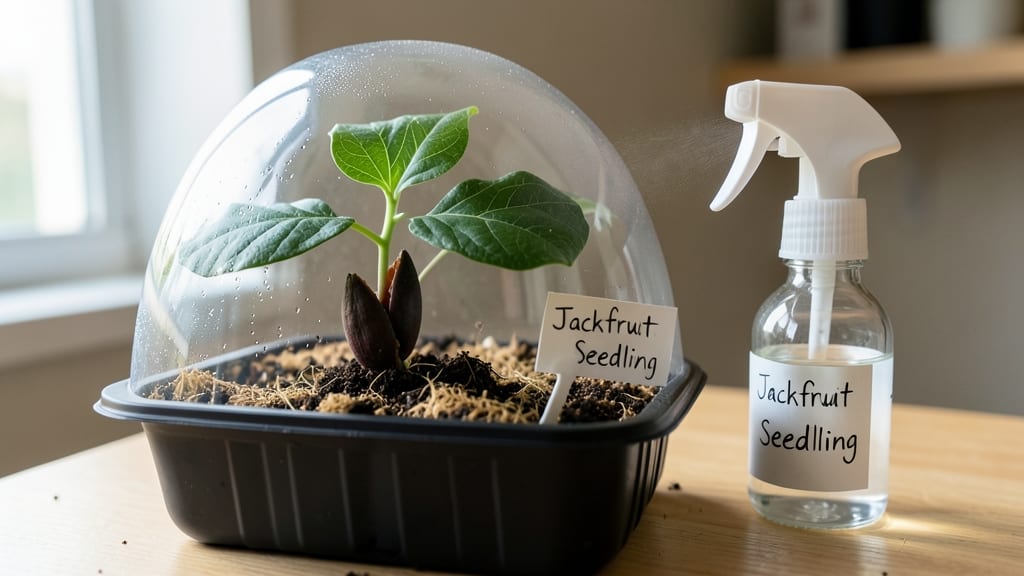
Your jackfruit seed sprout could be peeking through soil in just 30 days—no fancy greenhouse needed. 🌱 I’ve watched these tropical seeds go from hard shells to lush green sprouts on my windowsill, and the process is simpler than you’d think, even for beginners.
The key is patience and a cozy setup: warm water, a damp paper towel, and a spot where the temperature stays above 65°F. Most people rush the germination, but letting the seed soak overnight (not all day) gives it the best start without rotting.
Fungal risks are real, but a light spray of cinnamon powder keeps things in check. Once that first shoot cracks through, you’ll move it to well-draining potting mix and keep it humid—like a mini rainforest.
Within a month, you’ll have a sturdy seedling ready for a larger pot, and the smell of fresh tropical growth is unbeatable. This works for indoor growers, balconies, or even greenhouses. The hardest part? Waiting for that first leaf to unfurl. Let’s get those seeds sprouting!
📚 In This Guide
- What you need
- Instructions
- Tips and common mistakes
- Wrapping up and next steps
What you need
- ● Fresh jackfruit seeds: 5–10 seeds (harvested from ripe, organic jackfruit for best results).
- ● Small pots or seed trays: 2–4 inches deep (biodegradable or plastic). Pro tip: Use 1–2 pots per seed for easier monitoring.
- ● Well-draining potting mix: 1–2 cups (lightweight, organic mix like coconut coir or peat-based soil).
- ● Spray bottle: For gentle watering (avoid over-saturating seeds).
- ● Plastic wrap or humidity dome: To maintain moisture (a clear ziplock bag works in a pinch!).
- ● Sunlight or grow lights: Bright, indirect light (6+ hours daily).
- ● Patience (and a timer!) 😉 Germination takes 14–30 days—stay consistent!
- ● Seedling heat mat: Speeds up germination if your space is cool (70–85°F ideal).
- ● Fertilizer (diluted): Add a pinch of worm castings or seaweed extract after sprouts emerge.
- ● Humidity tray: A shallow tray with pebbles + water to boost moisture levels.
- ● Label markers: To track planting dates (trust us, it helps!).
- ● Pruning shears: For future trimming once your sprout grows into a tree!
Step-by-step instructions for sprouting jackfruit seeds
Ready to grow a jackfruit tree from seed? Here's my foolproof method for fast, healthy germination.
🌱 Step 1: Select and Prepare the Seeds
Choose plump, firm jackfruit seeds—avoid any that feel soft or hollow. Rinse each seed thoroughly under lukewarm water to remove the sticky outer layer, then let them dry completely on a paper towel for 12 hours. This step is critical because the seed coat can trap moisture and cause rot.
Once dry, place the seeds in a small bowl of water and soak for 24 hours. You'll see the seed coat soften and small white roots begin to emerge. This pre-soaking mimics natural rainfall and jumpstarts germination. Drain well before planting.
💧 Step 2: Plant in Moist, Well-Draining Soil
Fill a 4-inch diameter pot with a mix of 50% potting soil and 50% perlite—this ensures excellent drainage while retaining moisture. Gently press the soaked seeds 1 inch deep into the soil, spacing them 2 inches apart to allow room for root development.
Water lightly until the soil feels damp but not soggy. You'll know it's right when water runs through the bottom of the pot without pooling. Place the pot in a warm spot with indirect light—direct sun can dry out the soil too quickly at this stage.
☀️ Step 3: Provide Warmth and Monitor Moisture
Jackfruit seeds germinate best in 75-85°F soil temperatures. If your home runs cooler, place the pot on a seedling heat mat or near a sunny window. You should see sprouts within 10-30 days, but be patient—some seeds take longer to break through the soil.
Keep the soil consistently moist by watering whenever the top ½ inch feels dry. Overwatering is the biggest mistake here—it causes seeds to rot before they sprout. A spray bottle works best to avoid displacing the seeds.
🌿 Step 4: Transplant Seedlings When Ready
Once seedlings reach 4-6 inches tall and develop their first true leaves (not the initial seed leaves), they're ready to move. Choose a larger pot with drainage holes or plant directly in the ground if your climate allows year-round growth.
Handle seedlings carefully—their roots are delicate. Dig a hole twice as wide as the root ball and plant at the same depth as before. Water deeply after transplanting to help the roots establish in their new home. Keep them in partial shade for the first week to reduce stress.
Tips & tricks for perfect jackfruit seed germination
Here's what I learned after growing jackfruit trees from seed—these small tweaks make all the difference between success and disappointment.
Seed Selection: Don't just grab any seeds! Look for ones that feel heavy for their size and have no cracks or soft spots. I've found that seeds with a slight "pop" when tapped gently are the most vigorous. The 12-hour drying period in Step 1 is non-negotiable—this prevents mold from forming when you soak them later. Confession: I skipped this once and lost half my seeds to rot.
Soaking Strategy: That 24-hour soak isn't just about softening the seed coat—it's about testing viability. If your seeds float after 12 hours, they're not worth planting. I like to soak mine in a glass bowl so I can watch the roots emerge. Once you see those little white roots, drain immediately and plant within 2 hours to prevent drying out. Pro tip: Use filtered water if your tap water has high chlorine—it can stress the seeds.
Soil Mix Matters: The 50/50 potting soil to perlite mix in Step 2 is perfect for jackfruit seeds because it mimics their tropical forest habitat. I've tried using regular garden soil and had terrible results—seeds either drowned or dried out too quickly. For the first watering, use a spray bottle to avoid displacing the seeds, then switch to bottom-watering (placing the pot in a tray of water) to maintain even moisture without disturbing the soil.
Germination Patience: Those 10-30 days can feel like forever, but consistency is key. I've seen seeds sprout in as little as 7 days when conditions are perfect, while others take up to 45 days. The trick is maintaining that 75-85°F soil temperature—if your home runs cooler, place the pot on a seedling heat mat or near a sunny window. I keep a small thermometer in the soil to monitor temps, especially in winter months.
Pro Tips for Jackfruit Seed Sprout
- Here's what I learned after growing jackfruit trees from seed—these small tweaks make all the difference between success and disappointment.
- Seed Selection: Don't just grab any seeds!
- Soaking Strategy: That 24-hour soak isn't just about softening the seed coat—it's about testing viability.
Frequently asked questions
Got questions about sprouting jackfruit seeds?
You’re not alone! Here are some of the most common queries—plus straightforward answers to help you grow those seeds like a pro.
How long does it really take for jackfruit seeds to sprout?
Most jackfruit seeds sprout within 7 to 14 days under ideal conditions (warmth, moisture, and indirect light). However, some may take up to 30 days—patience is key! If you’ve waited 4 weeks with no sign of life, the seed might not be viable. Pro tip: Soak seeds overnight before planting to speed up germination.
Can I speed up the germination process?
Yes! Place your seeds in a warm, moist environment (like a seedling tray or damp paper towel) to encourage faster sprouting. A heating mat (set to 75–85°F) or a sunny windowsill can also help. Avoid overwatering—keep the soil consistently damp, not soggy. Bonus: A spray bottle makes light misting easier!
What if my jackfruit seed sprouts but the plant looks weak?
Weak seedlings often need more light or nutrients. Move your sprout to a bright, indirect spot (or under grow lights) and fertilize lightly with a diluted seaweed or fish emulsion solution after 2–3 weeks. Yellow leaves? It might be overwatered—let the top inch of soil dry out slightly between waterings. Watch for: Leggy stems (needs light) or stunted growth (may need repotting).
Can I grow jackfruit seeds indoors year-round?
Jackfruit seedlings thrive indoors with 6+ hours of sunlight daily (supplement with grow lights if needed) and temperatures above 60°F. Use a well-draining potting mix (like cactus/succulent blend) and a pot with drainage holes. Just be patient—these tropical plants may take 3–5 years to bear fruit indoors! Alternative: Start seeds in spring for a head start before moving outside.
What can I do with jackfruit seeds that don’t sprout?
Don’t toss them! Unsprouted seeds can still be roasted and eaten (tastes like chestnuts!) or used as compost. For a fun experiment, crack open the seed to check for a hard, white embryo—if it’s shriveled or missing, it’s not viable. Otherwise, try soaking and replanting. Fun fact: Dried jackfruit seeds make a great coffee substitute!
Why are my jackfruit seedlings turning brown or mushy?
Brown/mushy seedlings usually signal overwatering or fungal issues. Let the soil dry out slightly and ensure pots have drainage. If mold appears, remove affected plants and repot healthy ones in fresh, sterile soil. Prevent it: Sterilize containers with a 1:10 bleach-water mix before planting. Quick fix: Reduce watering and improve airflow with a small fan.
Wrapping up and next steps
Discovering how to sprout jackfruit seed sprouts in just 30 days is a rewarding and eco-friendly adventure! Whether you're a gardening novice or a seasoned green thumb, these easy steps open the door to a sustainable harvest—perfect for your lawn, garden, or even your kitchen. 🌱✨
Now that you’re armed with everything you need to know—from materials to troubleshooting—why not take the next step? Start your own jackfruit seed sprouting journey today, and watch as nature’s magic unfolds right before your eyes!
Share your progress with fellow plant enthusiasts or experiment with creative ways to use your sprouts in cooking or landscaping. Happy growing! 🌟