
Propagation
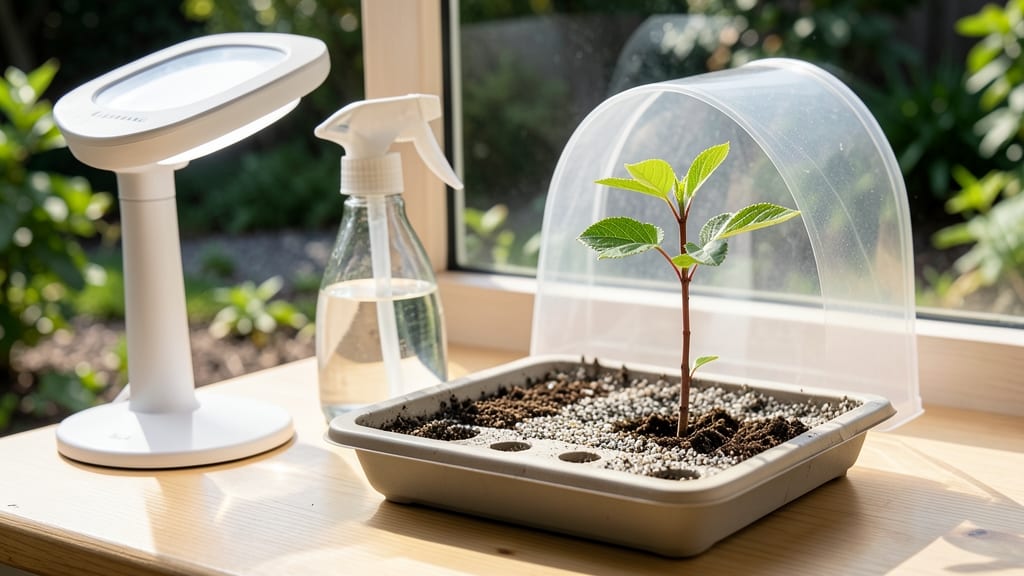
Growing a peach tree from seed indoors lets you start the magic early—before spring even arrives. 🌱 The process is slow but rewarding, and I’ve learned that patience pays off when those first true leaves appear.
My kitchen windowsill became a nursery for a peach seedling that’s now thriving in the garden, even if it won’t bear fruit like its parent for years.
You’ll need just a few simple things: a fresh peach pit (not store-bought, those are treated), a small pot with drainage, and a warm, bright spot.
The key is keeping the soil moist but not soggy while waiting for germination, which can take anywhere from 2 weeks to 2 months. Most people rush this step and end up with mold instead of roots.
Once sprouted, your seedling will need at least 6 hours of sunlight daily—a south-facing window or grow light works best. Expect slow growth at first, but with consistent care, it’ll grow 6–12 inches by its first year indoors.
The real test comes when you transplant it outside in spring, where it’ll face new challenges like pests and wind.
Fair warning: the tree won’t produce fruit true to the parent peach—it’ll likely be bitter or inedible. But the journey is what matters, and watching it grow from a tiny sprout to a sturdy sapling is pure gardening joy. Here’s how to keep it alive through every stage.
📚 In This Guide
- What you need
- Instructions
- Tips and common mistakes
- Wrapping up and next steps
What you need
- ● Fresh peach pit: 1–2 (organic, preferably from a ripe, non-hybrid peach—avoid grocery store varieties like Redhaven or Elberta, which may not grow true to type).
- ● Paper towels or damp cloth: 1–2 sheets (for stratification).
- ● Plastic bag or container: 1 (with a sealable lid, like a ziplock or Tupperware).
- ● Small pots or seed trays: 2–4 (3–4" diameter, with drainage holes—terracotta or biodegradable peat pots work best).
- ● Potting mix: 2–3 cups (lightweight, seed-starting blend with perlite or vermiculite for aeration).
- ● Spray bottle: 1 (for gentle watering).
- ● Grow lights or sunny windowsill: 1 (south-facing window or LED grow lights for 12–16 hours/day).
- ○ Heat mat (optional): 1 (to keep soil warm during germination, ~70–75°F).
- ● Humidity dome or plastic wrap: 1 (to retain moisture while sprouting).
- ● Fertilizer: Balanced liquid fertilizer (5-5-5 or 10-10-10, diluted to half-strength) for post-sprouting growth.
- ● Soil moisture meter: 1 (to avoid over- or under-watering).
- ● Label markers: 2–4 (to track planting dates and varieties).
- ● Pruning shears: 1 (for future trimming once the tree matures).
- ● Refrigerator space: 1–2 weeks (for cold stratification if skipping the bag method).
Step-by-step instructions for growing a peach tree from seed indoors
Here's how to coax a peach tree from a simple pit—no green thumb required.
🌱 Step 1: Select and Prepare the Peach Pit
Start with a fresh, plump peach pit from a ripe fruit. Avoid pits that feel dry or shriveled—they won’t germinate. Rinse the pit under cool water to remove any remaining fruit residue, then pat it dry with a paper towel. The key here is patience: peach pits need a cold stratification period to break dormancy, just like their wild ancestors.
Place the clean pit in a small plastic bag with a damp paper towel. Seal the bag loosely (you want airflow) and refrigerate it for 6-8 weeks. Check weekly—if the towel dries out, mist it lightly. This cold treatment mimics winter and signals the seed it’s time to grow. Real talk: skipping this step means waiting months, if ever, for germination.
🌱 Step 2: Sow the Stratified Pit
After stratification, remove the pit from the fridge and let it sit at room temperature for 24 hours to warm up. Fill a small 4-inch pot with sterile seed-starting mix (not garden soil—it’s too dense). Press the mix down gently until it’s firm but not packed, then make a ½-inch deep hole in the center using your finger.
Drop the pit into the hole, cover it with ½ inch of soil, and water lightly until the surface feels evenly moist. Place the pot in a warm, bright spot (like a sunny windowsill) but not in direct sunlight—you’re not trying to bake the seed yet. Peach pits germinate best at 70-75°F, so if your home runs cooler, a seedling heat mat helps.
💧 Step 3: Monitor for Sprouting and Early Growth
Germination can take 2-4 weeks, but don’t give up after 3 weeks—some pits need extra time. Keep the soil consistently moist (not soggy) by watering when the top inch feels dry. A spray bottle works best to avoid disturbing the seed. You’ll know it’s working when a tiny white root pushes through the soil first, followed by the shoot.
Once the shoot reaches 2 inches tall, move the pot to bright, indirect light for 12 hours daily. If you notice the stem stretching toward the light (called "leggy"), it’s getting too little intensity. At this stage, peach seedlings are fragile—don’t fertilize yet. Wait until you see true leaves (the second set after the initial seed leaves) before introducing nutrients.
☀️ Step 4: Transition to Stronger Light and Care
After 4-6 weeks, when the seedling has 3-4 true leaves, it’s ready for direct sunlight (3-4 hours daily). Gradually increase exposure over 7-10 days to avoid sunburn. If growing indoors, a grow light 6 inches above the plant for 14 hours daily mimics outdoor conditions. You’ll see the leaves darken and thicken as they adapt.
Now’s the time to repot into a 6-inch container with fresh potting mix if the roots are circling the original pot. Use your finger to gently loosen any tangled roots before transplanting. Water deeply after repotting to settle the soil, then reduce watering slightly—peach trees hate soggy roots but need consistent moisture.
⏰ Step 5: Long-Term Care for a Healthy Seedling
Peach trees grown from seed take 3-5 years to bear fruit, but the first few years set the foundation. Prune leggy growth back by ⅓ to encourage bushier growth. Pinch back the tips of new branches to redirect energy into stronger stems. In winter, if your home dips below 50°F, move the tree to a cooler spot—peaches need a dormancy period to thrive.
Wait until spring before fertilizing with a balanced 10-10-10 formula. Apply it lightly—peach seedlings are sensitive to overfeeding. Watch for aphids or spider mites on the undersides of leaves. A spray of soapy water (1 tsp mild soap per quart of water) keeps pests in check. Patience is key: your seedling’s first blooms might not produce fruit, but each year brings it closer to that first peach.
Tips & tricks for growing a peach tree from seed indoors
Here's what I've learned from growing peach trees from seed indoors—these tricks make all the difference between success and frustration.
Stratification Success: The 6-8 weeks of cold stratification in Step 1 is non-negotiable. I've tried skipping it, and germination took over 6 months—or never happened at all. If your fridge feels too warm (above 40°F), move the bag to the crisper drawer where it's cooler. Pro tip: Label your bag with the start date so you don't forget when those 6-8 weeks are up.
Pot Selection Matters: While a 4-inch pot works for starting, choose one with drainage holes—peach seedlings hate soggy roots. I use terracotta pots because they wick away excess moisture better than plastic. For the 6-inch repot in Step 4, look for containers that are wider than they are deep; peach trees develop broad root systems. Optional: Add a layer of perlite to your seed-starting mix for better drainage.
Light Transition Strategy: The move from bright indirect light to direct sunlight in Step 4 can be tricky. Start with just 1 hour of direct sun in the morning, then gradually increase by 1 hour every 2 days. Watch for yellowing leaves—they're a sign of sunburn. If growing under grow lights, keep them 6 inches away and adjust the height as your seedling grows to maintain consistent light intensity.
Patience with Germination: Those 2-4 weeks of waiting can feel endless, but don't give up after 3 weeks as the instructions say. I've had peach pits sprout on week 5—sometimes they just need that extra push. If you're impatient, try soaking the stratified pit in warm water for 12 hours before planting (not during stratification). This can speed up germination by a few days, but only do this after the full 6-8 weeks cold treatment.
Pro Tips for Grow A Peach Tree From A Seed Indoors
- Here's what I've learned from growing peach trees from seed indoors—these tricks make all the difference between succ...
- Stratification Success: The 6-8 weeks of cold stratification in Step 1 is non-negotiable. I've tried skipping it, and...
- Pot Selection Matters: While a 4-inch pot works for starting, choose one with drainage holes—peach seedlings hate sog...
Frequently asked questions
How long does it take for a peach pit to sprout indoors?
A peach pit typically sprouts within 2–4 weeks if kept in warm, moist conditions. Patience is key—some seeds may take up to 6–8 weeks to break dormancy. If nothing happens after 8 weeks, gently check for rot (discard if mushy) or try cold stratification for stubborn pits.
Can I grow a peach tree from any store-bought peach?
Most store-bought peaches are hybrids, so their seeds may not grow true-to-type. For better results, use seeds from heirloom or local varieties (e.g., 'Elberta' or 'Redhaven'). If you’re unsure, try multiple pits—the odds of success improve with genetic diversity!
Do I need to stratify peach seeds before planting?
Cold stratification (6–8 weeks in the fridge) mimics winter and speeds up germination. Skip it only if you’re impatient—some pits sprout without it, but stratification boosts success rates. Wrap the pit in a damp paper towel, place it in a sealed bag, and refrigerate before planting.
Will my indoor peach tree ever bear fruit?
Seed-grown trees are unpredictable—they may take 5–10+ years to fruit (if at all) and produce different-quality peaches than the parent. For guaranteed fruit, graft a known variety onto your seedling later. Think of this as a fun experiment, not a commercial venture!
What’s the best way to transplant a seedling outdoors?
Wait until the seedling is 1–2 feet tall and the last frost has passed. Harden it off by moving it outdoors for 2–3 hours daily over 2 weeks. Plant in well-draining soil, water deeply, and mulch to protect roots. Avoid transplant shock by choosing a cloudy day!
Wrapping up and next steps
Growing a peach tree from seed indoors is a rewarding journey that combines patience, care, and a touch of gardening magic! 🌱 While it may take time for your seedling to mature into a fruit-bearing tree, every step—from soaking to transplanting—brings you closer to nature’s sweetest rewards.
Once your seedling is thriving, consider transplanting it outdoors (if climate permits) or nurturing it as a houseplant for years to come.
Ready to watch your tiny seed transform into a towering tree? Start today—your future peach harvest begins with a single step! 🌳✨