
Propagation
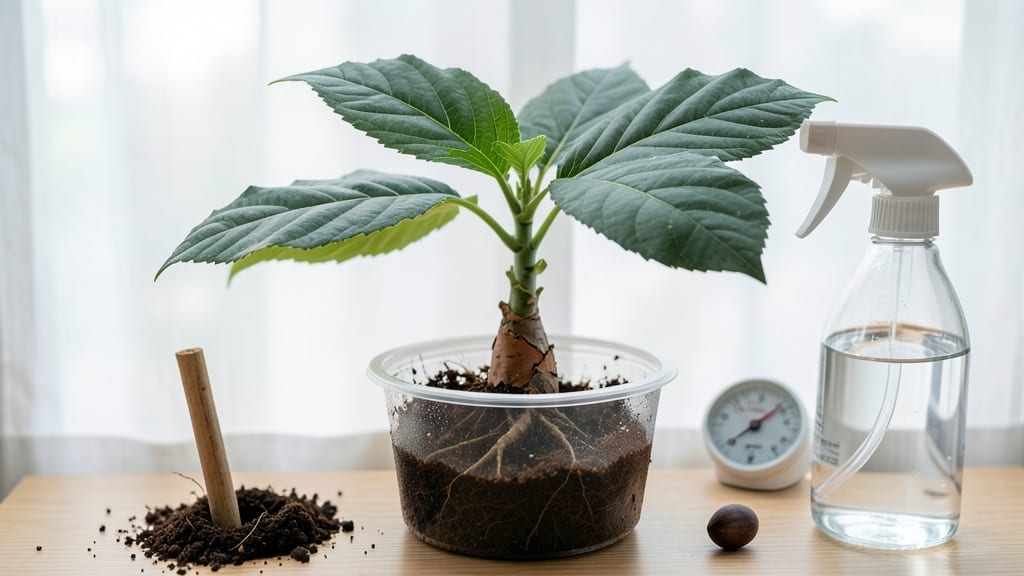
Jackfruit seed germination turns a grocery store find into a tropical tree—if you nail the moisture and warmth. 🌱 I’ve cracked the code after three failed attempts, and the secret isn’t magic—it’s patience, the right soil mix, and keeping those seeds cozy. Too dry, and they’ll sit forever; too wet, and mold wins. But get it right, and you’ll see sprouts in 2-4 weeks, not months.
The prep work is simple but critical: soak seeds overnight to soften the shell, then plant them just ½ inch deep in a mix of peat moss and perlite. A clear plastic dome or bag traps humidity without drowning the seeds—think of it as a mini greenhouse.
Most people overwater here, but jackfruit seeds hate soggy soil. Let the top inch dry slightly between waterings, and you’ll avoid the dreaded black mold.
Temperature is where beginners trip up. Jackfruit seeds need warmth—75-85°F—to germinate. A seedling heat mat or sunny windowsill works, but if your home runs cooler, consider a propagator. I’ve seen seeds take 6 weeks in cold basements versus 10 days on a heat mat.
The first true leaves are your reward: dark, glossy, and a sign you’re on the right track.
Once sprouted, keep seedlings in bright, indirect light and reduce watering to once a week. They’ll outgrow their starter pot fast—jackfruit trees grow like weeds—but don’t rush repotting. Wait until you see roots circling the bottom.
With consistency, you’ll have a 3-foot sapling by year’s end, ready to move outdoors in warmer climates. Here’s how to keep them thriving through each stage.
📚 In This Guide
- What you need
- Instructions
- Tips and common mistakes
- Wrapping up and next steps
What you need
- ● Jackfruit seeds: Fresh, plump seeds (2–4 per attempt) – the larger, the better! 🌟
- ● Germination medium: Paper towels (2–3 sheets) or coir pads (sterilized)
- ● Plastic bag (ziplock or breathable mesh bag, 1 per seed)
- ● Water: Room-temperature, filtered or distilled (avoid tap water with chlorine)
- ○ Spray bottle (optional but helpful for gentle misting)
- ● Small pots or seedling trays (4–6 inch diameter, 1 per seedling) with drainage holes
- ● Potting mix: Well-draining, sterile mix (e.g., 50% coco coir + 50% perlite or vermiculite)
- ○ Heat mat (optional but recommended): 70–85°F (21–29°C) range for faster germination
- ● Scissors or knife: For trimming seeds/paper towels (sanitize first!)
- ● Thermometer: To monitor soil/temperature (especially in colder climates)
- ● Humidity dome or plastic wrap: Keeps moisture high during early stages
- ● Fertilizer: Balanced liquid fertilizer (diluted to ¼ strength) for post-germination care
- ● Grow lights or sunny windowsill: 6+ hours of indirect light daily
Step-by-step guide to germinating jackfruit seeds
Here's how to coax those hard jackfruit seeds into life with the right moisture and warmth.
🌱 Step 1: Extract and Prepare the Seeds
Start by carefully removing the seeds from the fruit's fibrous core—you'll need 4 fresh seeds for this process. Rinse them under cool water to remove any remaining pulp, then let them air-dry completely for 24 hours. This prevents rot while keeping the outer shell from hardening further.
I like to soak the dried seeds in lukewarm water for 12-24 hours before planting. This softens the tough outer shell, making it easier for the embryonic root to break through. You'll know they're ready when the water turns slightly cloudy—this means the seeds are actively absorbing moisture.
💧 Step 2: Create the Ideal Germination Environment
Fill a small container with a mix of 50% peat moss and 50% perlite—this light, airy blend prevents waterlogging while retaining enough moisture. Plant each seed 1 inch deep, spacing them 2 inches apart to avoid crowding as they sprout. Gently press the soil around the seeds to ensure good contact.
Place the container in a warm, humid spot—think 75-85°F with high humidity. A seedling heat mat set to 80°F works wonders, but a sunny windowsill above a humidifier will do in a pinch. Cover the container loosely with plastic wrap to trap moisture, but leave a small gap for airflow. Check daily for condensation—if you see water droplets forming, remove the wrap for 30 minutes to prevent fungal growth.
☀️ Step 3: Monitor Moisture and Wait for Sprouts
Keep the soil consistently moist but never soggy—your goal is for the top ½ inch to feel damp to the touch, like a wrung-out sponge. Water gently from the bottom by placing the container in ½ inch of water for 10 minutes, then drain any excess. This prevents disturbing the seeds while ensuring even hydration.
Germination can take 2-4 weeks, so patience is key. You'll spot success when a small white root emerges first, followed by a tiny shoot. Once the shoot reaches 1 inch tall, it's time to transition to individual pots. Watch for mold or foul odors—these signal overwatering, and you'll need to adjust immediately.
🌿 Step 4: Transplant and Support Early Growth
When seedlings show their first true leaves (not the initial seed leaves), carefully transplant them into 4-inch pots filled with a well-draining potting mix. Use a small spoon to loosen the soil around the roots, then place each seedling in its new home, burying it to the same depth as before. Gently firm the soil around the base to eliminate air pockets.
Move the pots to a location with bright, indirect light—direct sun at this stage can scorch tender leaves. If using artificial light, position a grow bulb 6 inches above the seedlings for 12 hours daily. You'll notice faster growth when leaves are dark green and firm, not yellow or wilting. Fertilize lightly with a diluted balanced liquid fertilizer (5-5-5) after 4 weeks to encourage robust development.
Tips & tricks for perfect jackfruit seed germination
These simple adjustments will help you coax those stubborn jackfruit seeds into thriving seedlings with minimal stress.
Soaking Strategy: The 12-24 hour lukewarm water soak is your secret weapon for breaking through that tough outer shell. I've found that adding a pinch of cinnamon (just ¼ teaspoon) to the soaking water can help prevent bacterial growth while the seeds absorb moisture. Change the water after 12 hours if it becomes cloudy—this keeps the environment clean for the final 12 hours of soaking. The cloudiness you see is actually a good sign: it means the seeds are actively metabolizing and preparing to sprout.
Temperature Matters: Maintaining that 75-85°F range is critical, but don't panic if your home falls outside this window. For cooler climates, place your seedling container on top of a refrigerator (not inside) to create a warm microclimate. If your space runs hotter, move the container to a slightly cooler spot like a basement or shaded windowsill. The key is consistency—fluctuations of more than 10°F can shock the seeds and delay germination. A simple thermometer placed near the container will give you peace of mind.
Moisture Management: That ½ inch damp soil test is more important than you might think. I've learned the hard way that using a spray bottle instead of bottom watering can lead to uneven moisture distribution. For best results, use the 10-minute bottom watering method every 2-3 days rather than daily misting. The goal is to keep the soil consistently moist without creating anaerobic conditions that prevent root development. You'll know you've got it right when condensation forms on the plastic wrap during the day but disappears by evening.
Transplanting Timing: Waiting for those first true leaves (not the initial seed leaves) is crucial for successful transplanting. I've seen many gardeners rush this step and end up with stunted seedlings. When you do transplant into 4-inch pots, make sure to use a well-draining mix—adding perlite or vermiculite to your potting soil helps prevent root rot. The 4-week fertilization schedule is flexible: if your seedlings look particularly vigorous, you can introduce a very diluted fertilizer (half-strength) at 3 weeks instead of waiting the full 4 weeks.
Pro Tips for Jackfruit Seed Germination
- These simple adjustments will help you coax those stubborn jackfruit seeds into thriving seedlings with minimal stress.
- Soaking Strategy: The 12-24 hour lukewarm water soak is your secret weapon for breaking through that tough outer shell.
- Temperature Matters: Maintaining that 75-85°F range is critical, but don't panic if your home falls outside this window.
Frequently asked questions
Got questions about germinating jackfruit seeds? You’re not alone!
Here are answers to the most common queries to help you grow your own jackfruit tree with confidence.
How long does it take for jackfruit seeds to germinate?
Germination typically takes 2–4 weeks under ideal conditions (warmth, moisture, and consistent humidity). Some seeds may sprout faster (7–10 days), while others take longer—especially if stored improperly. Pro tip: Keep the soil moist but not soggy to speed up the process!
What’s the best temperature for jackfruit seed germination?
Jackfruit seeds thrive in warmth (75–90°F / 24–32°C). Use a seedling heat mat if your home is cooler. Avoid cold drafts or sudden temperature drops, as they can stall germination. A sunny windowsill or greenhouse works best for consistent warmth.
Why aren’t my jackfruit seeds sprouting? Troubleshooting tips
If your seeds aren’t germinating, check these common issues:
- Dry soil: Keep the growing medium constantly moist (not waterlogged).
- Cold temps: Seeds need warmth—try a heat source or move to a warmer spot.
- Old seeds: Fresh seeds (from ripe fruit) germinate best. Store-bought seeds may be dormant or dead.
- Poor drainage: Overwatering can rot seeds. Use a well-draining mix (e.g., perlite + peat).
Can I grow jackfruit from store-bought seeds?
Yes, but freshness matters! Store-bought seeds (like those in canned jackfruit) often fail to germinate because they’re dried or treated. For better success, use seeds from fresh, ripe jackfruit—clean them, dry briefly, and plant ASAP. If store-bought is your only option, try soaking them longer (48+ hours) to break dormancy.
How do I transplant a germinated jackfruit seedling?
Once sprouts have 2–3 true leaves (not just the initial seed leaves), they’re ready for transplanting. Gently remove the seedling, avoid damaging roots, and pot it in well-draining soil. Keep it in bright, indirect light for 2–3 weeks before introducing full sun. Use a small pot (6–8 inches) at first to prevent root stress.
Wrapping up and next steps
Germinating jackfruit seeds is a rewarding journey that unlocks the potential to grow your own tropical tree! With the right balance of moisture, warmth, and patience, you’ll soon see those first sprouts break through the soil—proof that nature’s magic is alive and thriving. 🌱
Now that you’re armed with the know-how, why not take the next step? Try experimenting with different germination methods or share your progress with fellow plant enthusiasts. Every seed you plant today could become a lush jackfruit tree tomorrow—so get growing!