
Propagation
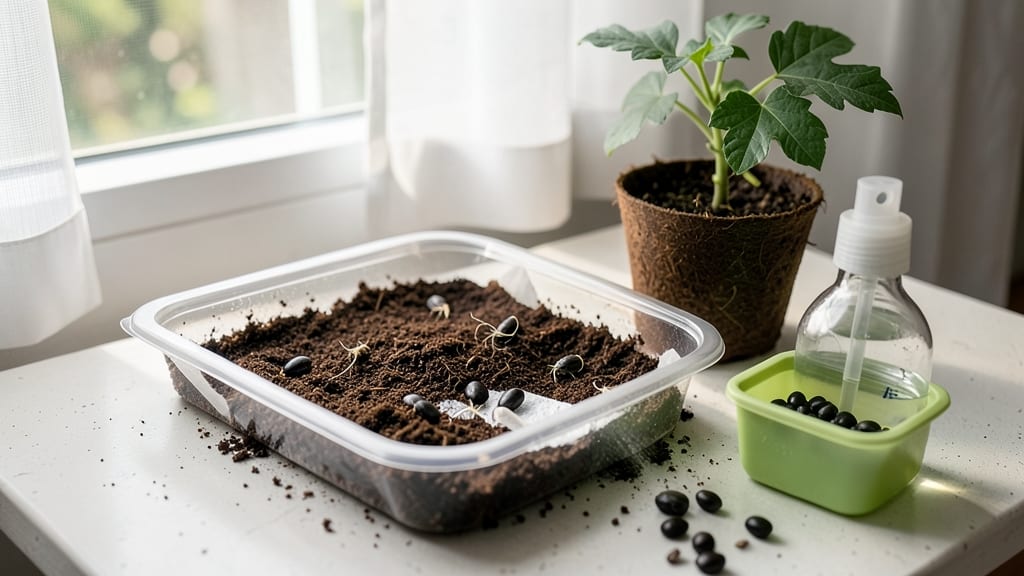
Passion flower seed germination needs moist, consistent conditions to break dormancy—without them, you’ll stare at dry paper for months. 🌱 I’ve battled this myself, watching seeds sprout in clumps after adjusting just one factor: the balance between dampness and airflow.
The key isn’t mystery; it’s science you can replicate, even in a windowsill setup.
Start with fresh seeds (store-bought or harvested) soaked overnight in warm water to soften the tough outer shell. Fill a small container with a mix of 50% perlite and 50% peat moss—this combo drains fast but holds enough moisture to trigger germination.
Keep the mix at 70-75°F using a seedling heat mat if needed; passion flowers won’t wake up in cool soil.
Within 10-21 days, you’ll see tiny radish-like sprouts pushing through. The moment they appear, move them to bright, indirect light (south-facing window or grow light) and reduce watering to prevent rot.
Transplanting happens at 2-3 inches tall, but wait until night temps stay above 55°F—these tropical babies hate cold.
Here’s where most people fail: overwatering. Let the top inch dry between waterings, and never let seeds sit in soggy conditions. With patience and this method, you’ll go from paper-thin seeds to vining, blooming passion flowers in just a few months—no black thumb required.
📚 In This Guide
- What you need
- Instructions
- Tips and common mistakes
- Wrapping up and next steps
What you need
- ● Passion flower seeds: Fresh or store-bought (ensure they’re viable—test a few in warm water to check for sinkers, which are more likely to sprout). Quantity: 5–10 seeds (for experimentation).
- ● Seed-starting mix: Lightweight, sterile potting soil with perlite or vermiculite (50/50 ratio). Quantity: 1–2 small seedling trays (4–6 inches deep) or 3–4-inch pots.
- ● Containers: Seed trays with drainage holes (for multiple seeds).
- ● OR Small individual pots (3–4 inches in diameter) with drainage.
- ● Watering can or spray bottle: With a fine mist nozzle (to avoid disturbing seeds).
- ● Plastic wrap or humidity dome: To maintain moisture (clear plastic wrap works in a pinch!).
- ○ Heat mat (optional but recommended): Set to 75–85°F (24–29°C) for faster germination.
- ● Plant labels: To track seed varieties and planting dates.
- ● Fine-mesh screen or paper towels: For pre-soaking seeds (if desired).
- ● Grow lights or sunny windowsill: Bright, indirect light (12+ hours/day) once sprouts emerge.
- ● Fertilizer (post-germination): Diluted fish emulsion or balanced liquid fertilizer (5-5-5 ratio).
- ○ Humidity monitor (optional): To keep levels between 70–80% during germination.
Step-by-step instructions for germinating passion flower seeds
Here’s how to coax those stubborn passion flower seeds into sprouting—without the guesswork.
🌱 Step 1: Pre-Treat Seeds for Faster Germination
Passion flower seeds have a tough outer shell that needs softening before planting. Place them in a small bowl and cover with lukewarm water for 24 hours. This mimics natural rain soaking and breaks dormancy. You’ll know it’s working when the seed coats start to swell slightly—like a tiny water balloon.
After soaking, drain the water and gently rub the seeds between your fingers to remove the outer husk. This step isn’t always necessary, but it can cut germination time by 3-5 days. If the husk resists, don’t force it—just plant as-is. The key here is moisture exposure, not scrubbing.
💧 Step 2: Plant in Moist, Well-Draining Medium
Fill a small pot or seed tray with a mix of 50% peat moss and 50% perlite—this balance keeps roots aerated while holding enough moisture. Press the medium down lightly, then make ¼-inch-deep holes spaced 1 inch apart. Plant 2-3 seeds per hole (you’ll thin later) and cover with a thin layer of the same mix.
Water gently until the surface feels damp but not soggy. Passion flower seeds need consistent moisture to germinate, but standing water will rot them before they sprout. A spray bottle works best—it delivers even moisture without disturbing the seeds. Place the tray in a warm spot (75-80°F) where humidity stays high.
☀️ Step 3: Maintain Warmth and Humidity
Germination takes 14-30 days, depending on temperature and seed freshness. Cover the tray with clear plastic wrap or a humidity dome to trap moisture—passion flower seeds thrive in 80-90% humidity. Check daily for condensation; if the plastic fogs up, prop it open slightly for 10 minutes to prevent mold.
Keep the soil surface damp by misting lightly every 2-3 days. You’ll see the first signs of life when tiny white roots appear, followed by cotyledons (the first true leaves) pushing through the soil. This is your cue to remove the cover immediately—too much humidity now invites damping-off disease.
🌿 Step 4: Thin Seedlings and Provide Light
Once seedlings reach 2 inches tall, thin to the strongest one per hole. Use small scissors to snip excess stems at soil level—this prevents root disturbance. Place the tray under bright, indirect light (a south-facing window or grow light). Direct sun at this stage can scorch delicate seedlings.
Rotate the tray a quarter turn daily so seedlings grow straight, not lopsided. You’ll notice leggy growth if light is insufficient—this means the plants are stretching toward any available light source. If this happens, move the light closer (within 3 inches) or increase light duration to 14 hours daily.
⏰ Step 5: Prepare for Transplanting
Seedlings are ready to move when they develop their third set of true leaves (about 6-8 weeks after planting). Harden them off by placing outside in partial shade for 1-2 hours daily, gradually increasing time over 7-10 days. This toughens stems and prevents shock when planted outdoors.
Choose a spot with full sun to partial shade and well-draining soil. Passion flowers love to climb, so install a trellis or sturdy support at planting. Water deeply after transplanting to help roots establish—you’ll know they’re settled when new leaves appear within 2-3 weeks.
Tips & tricks for perfect passion flower seed germination
Here's what nobody tells you about getting those stubborn passion flower seeds to sprout reliably.
Soaking Strategy: The 24-hour soak is non-negotiable for breaking dormancy, but here's the secret: use lukewarm water between 75-80°F—too hot and you'll cook the seeds, too cold and the process slows dramatically. I place my bowl on top of my fridge to maintain consistent temperature. After soaking, drain on a paper towel for 5 minutes before planting to prevent waterlogged soil.
Medium Mix Matters: That 50/50 peat moss and perlite ratio is perfect, but here's why it works: peat moss holds moisture while perlite prevents compaction. If you don't have perlite, substitute with coarse sand or vermiculite—but avoid garden soil which can harbor pathogens. Press the medium down lightly after mixing to create firm planting holes that won't collapse when you insert seeds.
Humidity Hack: For that critical 80-90% humidity range, I use a clear plastic dome with small ventilation holes punched in the sides. This creates a greenhouse effect while preventing the mold risk from completely sealed containers. Place a small dish of water under the tray to add extra moisture to the air—just don't let it touch the seeds.
Light Transition: When moving seedlings to bright indirect light, I start with 12 hours daily and gradually increase to 14 hours over 3 days. This prevents the shock of sudden light exposure that causes seedlings to bolt or develop leggy stems. A simple LED grow light on a timer works perfectly for this gradual transition.
Pro Tips for Passion Flower Seed Germination
- Here's what nobody tells you about getting those stubborn passion flower seeds to sprout reliably.
- Soaking Strategy: The 24-hour soak is non-negotiable for breaking dormancy, but here's the secret: use lukewarm water between 75-80°F—too hot and you'll cook the seeds, too cold and the process slows dramatically.
- Medium Mix Matters: That 50/50 peat moss and perlite ratio is perfect, but here's why it works: peat moss holds moisture while perlite prevents compaction.
Frequently asked questions
Got questions about getting those passion flower seeds to sprout like a pro? You’re not alone—germination can be tricky, but we’ve got answers! Here are some of the most common queries (and solutions) to help you avoid frustration and grow those stunning blooms with confidence.
How long does it take for passion flower seeds to germinate?
Patience is key! Passion flower seeds typically take 4 to 12 weeks to germinate, depending on conditions like warmth (70–75°F) and moisture. Some seeds may sprout in as little as 2 weeks, while others take months—don’t give up if you don’t see immediate results. Consistency is everything!
Can I speed up germination with cold stratification?
Yes! Passion flower seeds benefit from a short cold stratification (2–4 weeks in the fridge, wrapped in a damp paper towel). This mimics natural winter conditions and can trick stubborn seeds into sprouting faster. Just avoid freezing them—keep temps around 35–40°F.
What if my seeds rot instead of sprouting?
Overwatering or poor drainage is usually the culprit. Use a well-draining mix (like perlite + peat) and water only when the top inch feels dry. If seeds rot, replant fresh ones in a fresh, sterile medium. Pro tip: Use a spray bottle for gentle hydration!
Do passion flower seeds need light to germinate?
Nope! Seeds germinate best in darkness—cover them with a thin layer of soil (¼ inch) or keep them in a sealed container until sprouts appear. Once seedlings emerge, move them to bright, indirect light to prevent leggy growth.
Can I grow passion flowers from seeds in cold climates?
Start seeds indoors 8–10 weeks before your last frost, then transplant seedlings outdoors after danger of frost has passed. Passion vines thrive in USDA zones 5–11, but young plants need protection in colder areas. A greenhouse or container gardening can help!
Wrapping up and next steps
Growing passion flowers from seed is a rewarding journey that blends patience with precision—especially when it comes to moisture control. By following the right techniques, you’ll unlock vibrant blooms and lush foliage that thrive in your garden. 🌱✨
Now that you’re armed with the knowledge, take the next step: gather your seeds, set up your germination station, and watch those little sprouts emerge! Whether you’re a seasoned gardener or a curious beginner, your passion flower garden is just a few weeks away.
Happy growing—your future blooms will thank you!