
Size
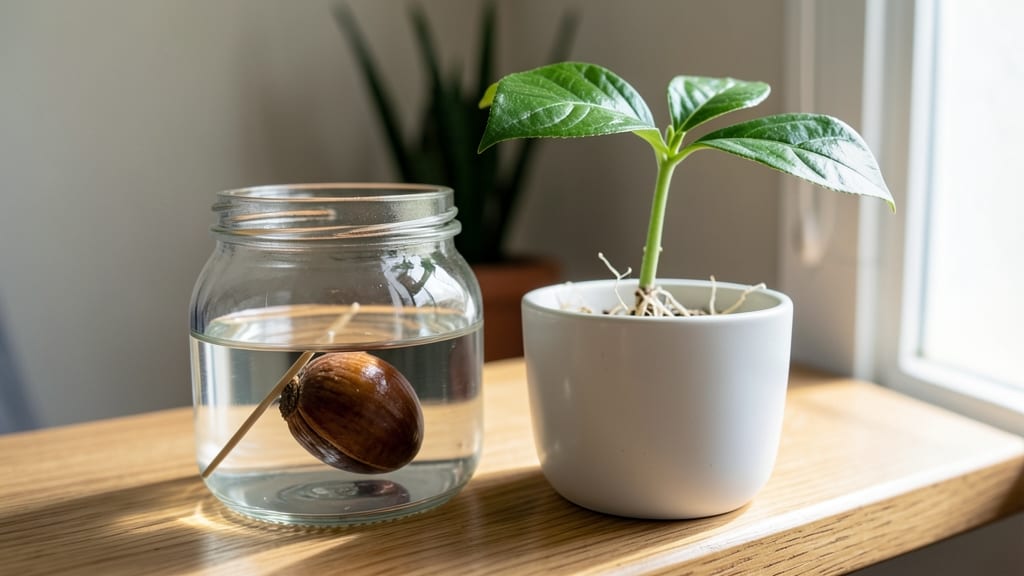
Growing a mango seed in water is the fastest way to see roots—7 days if you keep it simple. 🌱 I’ve turned grocery-store mango pits into thriving seedlings this way, and you can too, with just a glass of water and a sunny windowsill.
The key is patience and steady conditions, not fancy equipment.
All you need is a ripe mango, a clean seed, a glass of water, and a bright spot. No soil, no stress—just watch those roots unfurl like magic.
The trick is changing the water every 2-3 days to keep it fresh, and keeping the seed just submerged enough so it doesn’t dry out or rot.
Within a week, you’ll see roots stretching toward the water, and by 3-4 weeks, they’ll be long enough to transplant. The seedling will start growing leaves soon after, and with proper light and care, you could have a tiny mango tree in just a few months.
This method works best in warm rooms (above 65°F), and it’s perfect for kids or beginners. Just avoid overcrowding the glass, and don’t rush the transplant—let those roots strengthen first. Here’s how to do it right from start to finish.
📚 In This Guide
- What you need
- Instructions
- Tips and common mistakes
- Wrapping up and next steps
What you need
- ● 1 fresh mango seed – Choose a seed from a ripe, organic mango for best results.
- ● 1 clear glass or jar – At least 8 oz (240 mL) in size (larger is better for stability).
- ● Filtered or distilled water – Room temperature (avoid tap water if it’s heavily chlorinated).
- ● 1 small plate or saucer – To stabilize the glass and catch spills.
- ● 1 toothpick or skewer – For gently prodding the seed if needed.
- ● Watering spray bottle – Keeps the seed moist without overfilling the glass.
- ● Small pebbles or marbles – Place a few at the bottom of the glass to weigh down the seed.
- ● Grow light or sunny windowsill – If your space lacks natural light.
- ● Notebook & pen – To track root growth progress!
Step-by-step instructions for growing a mango seed in water
Here's how to coax roots from a mango pit in record time—no soil required.
🌱 Step 1: Select and Prepare the Mango Seed
Choose a plump, unblemished mango pit—smaller seeds often yield weaker seedlings. Rinse off any fruit residue and let it air dry for 1-2 days to prevent mold. The seed's outer shell is tough, so I gently tap it on a hard surface to crack it open without breaking the seed inside.
Use a clean knife to carefully slice the pit lengthwise, exposing the seed. You'll see a small, dark seed nestled inside—this is what we're working with. The seed needs to be clean and intact; any damage will delay or prevent germination. Place the exposed seed in a glass of room-temperature water immediately after opening.
💧 Step 2: Submerge and Change the Water Daily
Fill a clear glass or jar with enough water to cover about half the seed. Submerge the seed with the flat side down—this mimics natural orientation. Place the container in a warm spot (around 70-75°F) where it gets indirect light, like a kitchen counter away from direct sunlight. Direct sun heats the water too quickly and can stress the seed.
Change the water every 24 hours to keep it fresh and prevent bacterial growth. You'll notice tiny white roots emerging from the bottom in about 3-5 days. These roots will grow rapidly, so check daily for signs of growth. If the water becomes cloudy before day 3, dump it and rinse the seed gently before refilling.
⏰ Step 3: Monitor Root Growth and Prepare for Transplant
Once roots reach about 1-2 inches long (usually within 7-10 days), they're ready for the next phase. Healthy roots will be thick and white, not thin or brown. This is your signal to transition from water to soil. I like to let them grow a little longer—roots up to 3 inches give the seedling a stronger start.
Before transplanting, fill a small pot (around 4 inches wide) with well-draining potting mix. Make a hole in the center and gently place the rooted seed on its side, with the roots pointing downward. Cover it with about 1 inch of soil, leaving the top half of the seed exposed. Water lightly to settle the soil around the seed.
☀️ Step 4: Provide Light and Care for the Seedling
Place the pot in bright, indirect light for the first week—direct sun can scorch the young seedling. A south-facing window with sheer curtains works well. Keep the soil consistently moist but not soggy; stick your finger in the soil to check. If the top inch feels dry, water gently until it drains from the bottom.
In about 2-4 weeks, you'll see the first true leaves emerge from the seed. This is when the seedling starts converting sunlight into energy. Once the leaves are fully unfurled and the plant shows steady growth, you can gradually introduce it to more sunlight. Avoid fertilizing for the first 3 months—the seedling has enough stored energy to grow strong on its own.
Tips & tricks for fast mango seed growth in water
Real talk: The difference between roots appearing in 3 days and 10 days often comes down to these simple adjustments. Here's what nobody tells you about speeding up your mango seedling.
The Warmth Factor: That 70-75°F temperature isn't just a suggestion—it's the sweet spot for germination. If your kitchen runs cooler, place the container on top of your fridge (not inside) or near a warm spot like a sunny window during the day. I've seen roots emerge twice as fast when the seed stays consistently warm. For extra warmth, wrap a thin towel around the glass to create a mini greenhouse effect.
Root Growth Accelerator: While the instructions say to wait until roots reach 1-2 inches, I push it to 3 inches when possible. Those extra inches mean a stronger seedling that handles transplanting better. The key is patience—check daily starting around day 3, but don't rush the process. Thin, brown roots mean trouble; thick, white roots mean success. If you notice slow growth after day 5, try changing to slightly warmer water (up to 80°F) for 24 hours to give it a boost.
Lighting Strategy: Indirect light is crucial, but here's the secret: position your seedling near a window that gets morning sun and afternoon shade. Morning light provides gentle energy without overheating the water. If you don't have ideal lighting, a simple LED grow light on low setting for 8 hours daily works wonders. Avoid fluorescent lights—they don't provide the right spectrum for seedling growth.
Water Quality Matters: Tap water works fine, but if yours has chlorine, let it sit uncovered for 24 hours before using. Cloudy water before day 3? That's normal—just rinse the seed and refresh the water immediately. For faster results, I use filtered or distilled water, which prevents mineral buildup that can slow root development. Change the water exactly as instructed (every 24 hours), but if you notice roots growing faster than expected, you can extend to 48 hours between changes.
Pro Tips for Grow A Mango Seed In Water
- Real talk: The difference between roots appearing in 3 days and 10 days often comes down to these simple adjustments.
- The Warmth Factor: That 70-75°F temperature isn't just a suggestion—it's the sweet spot for germination.
- Root Growth Accelerator: While the instructions say to wait until roots reach 1-2 inches, I push it to 3 inches when possible.
Frequently asked questions
Got questions about growing a mango seed in water? You’re not alone!
Here are the most common concerns—and their answers—to help you succeed without stress.
How long does it take for a mango seed to sprout in water?
Most mango seeds will start showing tiny white roots in 7–14 days if kept in warm water (70–80°F). Some may take up to 3 weeks—patience is key! Change the water every 2–3 days to prevent mold. Pro tip: If roots don’t appear after 3 weeks, the seed might be dormant or non-viable.
Can I grow a mango seed in water without sunlight?
Yes, but indirect light is best. Place your jar near a window (not direct sun) for 6–8 hours/day. Without light, roots grow slowly, and the seedling may become weak or leggy. A grow light (12+ hours/day) speeds up growth if natural light is limited. Watch for: Yellowing leaves = too much sun; stretching = not enough.
When should I transfer the mango seedling to soil?
Move your seedling to soil once roots are 2–3 inches long and you spot green leaves (usually 4–8 weeks). Use a small pot with drainage and well-draining soil (60% potting mix + 40% perlite). Water lightly to avoid shocking the roots. Warning: Don’t wait too long—roots in water can rot if overgrown!
Will my mango tree grown from seed produce fruit?
Probably not—unless you’re very patient! Seed-grown mangoes take 5–15 years to bear fruit (if they do at all), and the tree may not match the parent’s variety. For faster, reliable fruit, grafting is the way to go. Fun fact: Even if it doesn’t fruit, the tree makes a stunning houseplant!
What if my mango seed turns black or smells bad in water?
That’s a red flag! Blackening = rot (from bacteria/fungus), and a foul smell means the seed is decomposing. Fix it fast: Rinse the seed, trim any mushy parts, and soak it in hydrogen peroxide (3%) for 10 minutes before restarting in fresh water. If it’s too far gone, try another seed!
Can I reuse the water from growing mango seeds?
Nope—always use fresh water. Old water becomes cloudy, stale, or moldy, which can kill your seed. Change it every 2–3 days (or daily if it looks murky). Bonus: Save the old water for houseplants (diluted 50/50 with fresh water)—it’s nutrient-rich!
Still stuck? Drop your question in the comments—we’ve got you covered!
Wrapping up and next steps
Growing a mango seed in water is a rewarding and simple way to nurture a tiny tree from scratch—no soil required! 🌱 With just a few supplies and patience, you’ll watch roots sprout in as little as 7 days.
Remember, consistency is key: keep the water fresh, maintain warmth, and avoid overcrowding.
Once your seedling has strong roots, it’s time to transplant! This is your next exciting step—give it a cozy home in soil and watch it thrive. Whether you’re a beginner or a plant enthusiast, every little root is a victory. Happy growing! 🌟