
Planting
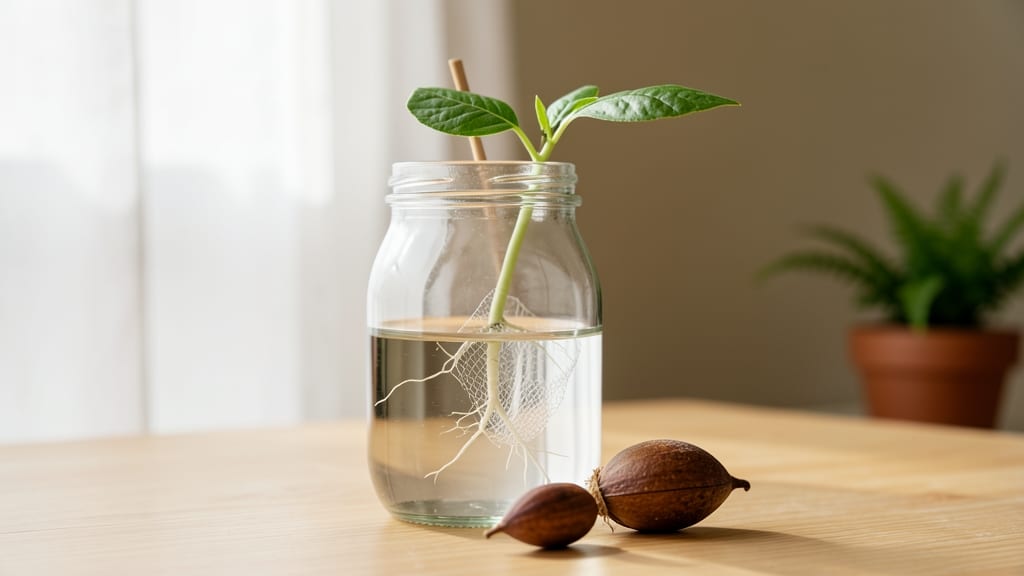
Planting a mango seed in water gives you fast sprouts without soil—just a ripe mango, a glass, and patience. 🌱 I’ve watched seeds crack open in 7 days using this method, and the best part? It’s foolproof for beginners.
The key is choosing the right seed and keeping the water fresh, but even that’s simpler than it sounds. You’ll need a 2-cup glass, a mango seed (not too dried out), and room-temperature water. No fancy tools—just what’s in your kitchen.
The seedling will peek through in about a week, and by month two, you’ll have a tiny tree ready for soil. It’s like watching a tiny miracle unfold right on your windowsill. Once those first leaves appear, you’ll feel the rush of seeing something you grew from scratch.
The roots will thicken, and the stem will stand tall—proof that patience pays off. By summer, you could be transferring it to a pot and dreaming of tropical fruit. This method works year-round, but spring or summer gives seedlings the best start.
Just avoid drafts, keep the water clean, and resist the urge to rush—your little mango tree will thank you for it.
📚 In This Guide
- What you need
- Instructions
- Tips and common mistakes
- Wrapping up and next steps
What you need
- ● Fresh mango seed: Choose a plump, undamaged seed from a ripe mango (avoid overly soft or shriveled seeds).
- ● Clean water: Use room-temperature, filtered or distilled water (chlorine-free if possible). Change it every 2–3 days.
- ● Small glass or jar: A clear, wide-mouth container (8–12 oz) with a lid or plastic wrap to create humidity.
- ● Toothpick or skewer: For gently prodding the seed if needed (helps break dormancy).
- ○ Paper towels or coffee filter: A few sheets to line the bottom of the container (optional but highly recommended for drainage).
- ● Scissors or knife: For trimming the seed if the root or sprout emerges unevenly.
- ● Humidity dome: A plastic bag or lid to trap moisture and speed up germination.
- ● Grow light or sunny windowsill: A south-facing spot or LED grow light (12+ hours/day) once sprouts appear.
- ● Hydroponic nutrients: A diluted seaweed extract or liquid fertilizer (after roots reach ~2 inches).
- ● Planting pot & soil: A small biodegradable pot (3–4 inches) and well-draining potting mix for transplanting later.
- ● Label & marker: To track planting dates and seed varieties (because who doesn’t love a little organization?).
Step-by-step instructions for germinating mango seeds in water
Here's the quick, no-fuss method that gets mango seeds sprouting in under a week.
🌱 Step 1: Extract and Clean the Seed
Start with a fresh mango seed—never dried or stored. Cut open the fruit, remove the seed, and rinse it thoroughly under running water. You'll see a hard outer shell with a pointed end and a flat base. The pointed end is where the sprout will emerge, so don't damage it during cleaning.
Gently scrub the seed with a soft brush to remove any remaining fruit pulp. This prevents mold from forming later. Place the seed in a bowl of water and let it soak for 12-24 hours. The longer it soaks, the faster it'll germinate—this softens the outer shell and kickstarts the root growth.
💧 Step 2: Set Up the Water Germination Container
Use a clear glass or jar with a wide enough opening to accommodate the seed. Fill it with room-temperature water (around 70-75°F)—never cold water, as it slows germination. The seed should float freely, with about half submerged. If it sinks, it's not ready yet—let it soak another 6-12 hours.
Place the container in a warm, bright spot—direct sunlight is fine, but avoid hot afternoon sun (above 85°F), which can overheat the water. A windowsill facing east or west works perfectly. Change the water every 2-3 days to prevent bacterial growth. You'll see the first signs of life in 3-7 days—tiny white roots breaking through the shell.
☀️ Step 3: Monitor and Maintain Germination Conditions
Once roots appear, they'll grow 1-2 inches long within a week. Keep the water level just high enough to cover the roots but not the seed itself—this prevents rot. You'll notice the seed will start to crack open as the sprout pushes upward. This is normal and exciting!
When the sprout reaches 2-3 inches tall, it's ready for the next step. The seedling will have a thick stem and small leaves forming at the top. Avoid touching the sprout—its delicate roots can break easily. If the water gets cloudy or smells funky, dump it and refresh with clean water immediately.
⏰ Step 4: Prepare for Transplanting (When Ready)
Once the sprout has 3-4 leaves and roots are 3-4 inches long, it's time to transition to soil. This usually happens within 2-3 weeks of germination. Before moving it, harden off the seedling by placing it near the soil container for 1-2 hours daily for 3-4 days. This helps it adjust to drier conditions.
Use the potting mix you've prepared (not garden soil) and plant the seedling 1 inch deep, covering the roots but leaving the top half exposed. Water gently but thoroughly—no soggy soil. Place it in bright, indirect light for the first week to reduce transplant shock. You'll see new growth within 7-10 days if everything is right.
Tips & tricks for germinating mango seeds in water
Here's what I learned after watching seeds take root—these small details make all the difference between success and disappointment.
Soaking Strategy: The 12-24 hour soak is your seed's head start. I've found that placing the seed in a bowl of water with a tiny bit of sugar (just a pinch) can speed up germination by about 24 hours. The sugar provides a quick energy boost to the seed without harming it. Just remember to rinse it thoroughly before moving to the germination container.
Container Choice: While any clear container works, I recommend using a wide-mouth jar or glass. The wider opening prevents the seed from getting stuck when roots grow longer. If you're using a narrow container, you might need to trim the roots carefully when they reach 1 inch to prevent tangling.
Temperature Troubleshooting: If your kitchen stays below 70°F, place the container near a sunny window during the day and move it to a warmer spot at night. A small heating pad set to low (never hot!) under the container can help maintain that ideal 70-75°F range. Just make sure the water stays room temperature—never warm it artificially.
Root Care: When roots reach 1-2 inches, trim them to about ½ inch if they start to curl or tangle. This encourages new growth and prevents the water from getting murky too quickly. I also recommend using a small mesh screen or cheesecloth over the container to keep out dust and pests while still allowing light through.
Pro Tips for Plant A Mango Seed In Water
- Here's what I learned after watching seeds take root—these small details make all the difference between success and disappointment.
- Soaking Strategy: The 12-24 hour soak is your seed's head start.
- Container Choice: While any clear container works, I recommend using a wide-mouth jar or glass.
Frequently asked questions
Got questions?
Growing a mango seed in water is simple, but every gardener has unique challenges. Here are answers to the most common questions—so you can skip the guesswork and focus on sprouting that seed!
How long does it take for a mango seed to sprout in water?
A mango seed typically sprouts in 7–21 days when kept in water. Warmth (70–85°F) and consistent moisture speed up germination. If nothing happens after 3 weeks, check for rot or try replanting the seed—some varieties are just slower starters!
What if my mango seed rots in water?
Rotting happens when water sits stagnant or the seed stays too wet. To fix it:
- Drain excess water and let the seed dry for 1–2 hours.
- Rinse with fresh water and place it back in a clean jar.
- Use filtered or bottled water to avoid bacteria.
Can I plant the sprouted seed directly in soil?
Yes! Once roots reach 1–2 inches and a tiny shoot appears, it’s ready for soil. Transplant gently to avoid damaging roots. Use a small pot with well-draining soil and keep it in bright, indirect light. Mango trees thrive in warm climates but can survive indoors with patience!
Will my mango tree grow fruit from a seed?
Probably not the same variety as the parent tree—seedlings often produce wild, unpredictable fruit after 3–5 years. For consistent, edible mangoes, graft a known variety onto your seedling or buy a nursery-grown tree. But hey, growing any mango tree from scratch is a rewarding adventure!
Do I need to change the water daily?
No—just refresh it every 2–3 days to prevent bacteria or mold. Use a jar with small holes (or a mesh cover) to allow airflow. Overwatering can drown the seed, so let it sit in 1–2 inches of water at all times. Keep the jar in a warm spot (like near a sunny window) for best results!
Wrapping up and next steps
Growing a mango tree from a seed in water is a rewarding and simple process—perfect for beginners! With just a few supplies and patience, you’ll watch roots sprout in as little as 7 days.
Once your seedling is ready, it’s time to transplant it into soil and nurture it into a thriving plant.
🌱 Ready to take the next step? Keep an eye on your seedling’s growth, and soon, you’ll be enjoying fresh mangoes (or even sharing them with friends!). Happy planting! 🌿