
Lawn
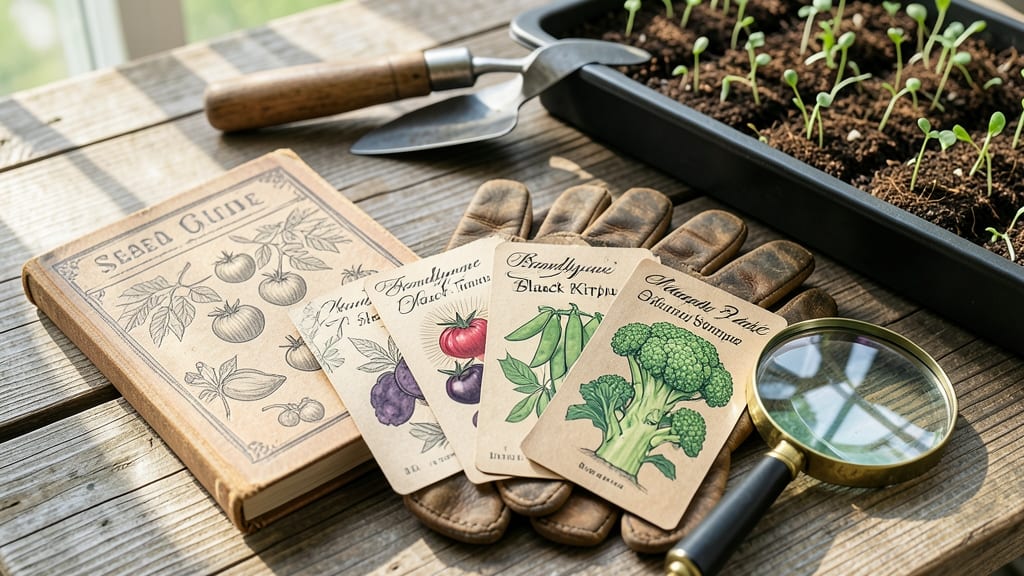
Finding the right heirloom vegetable seed companies can turn your garden into a living museum of flavors. 🌱 I spent last winter comparing sources, and the best ones offer rare varieties that store-bought seeds can't match—think 300-year-old tomatoes and vibrant purple carrots that grow like weeds in the right conditions.
What sets the top companies apart? It's not just the seeds—it's the beginner-friendly guides, bulk discounts for serious gardeners, and policies that let you save seeds from your harvest. Some even include free growing tips when you order, which is a game-changer if you're new to heirloom gardening.
You'll end up with plants that produce heirloom-quality harvests—sweeter, more colorful, and packed with flavor. The best part? These companies support seed conservation, so every purchase helps preserve biodiversity while filling your kitchen with homegrown goodness.
Perfect for anyone who wants to grow beyond the usual supermarket veggies. Here's how to pick the best source for your garden's needs—whether you're a first-timer or a seasoned heirloom collector.
📚 In This Guide
- What you need
- Instructions
- Tips and common mistakes
- Wrapping up and next steps
What you need
- ● Heirloom vegetable seeds – Purchase from trusted heirloom vegetable seed companies (e.g., Baker Creek, Seed Savers Exchange, or High Mowing Seeds). Start with 5–10 varieties to avoid overwhelm.
- ● Seed starting mix – 10–20 lbs of sterile, lightweight potting soil (avoid garden soil—it’s too dense!).
- ● Seed trays or pots – 72-cell trays or 4–6" biodegradable pots (1–2 trays per variety).
- ● Grow lights or sunny windowsill – A full-spectrum LED grow light (12–16 hrs/day) or a south-facing window with consistent sunlight.
- ● Misting bottle or spray nozzle – For gentle watering (avoid drowning seeds!).
- ● Plant labels & markers – Waterproof labels + pencil to track varieties (trust us, you’ll forget!).
- ● Garden space or containers – Raised beds, in-ground plots, or large pots (12"+ depth for root crops like carrots).
- ● Organic fertilizer – Compost or balanced organic fertilizer (e.g., fish emulsion or worm castings).
- ● Heat mat – Speeds up germination for slow starters (e.g., peppers, tomatoes).
- ● Humidity dome or plastic wrap – Keeps moisture in for delicate seeds.
- ● pH testing kit – Ensures soil pH is ideal (most veggies prefer 6.0–7.0).
- ● Trellis or cages – For vining plants (e.g., pole beans, cucumbers).
- ● Drip irrigation system – Saves time and water (especially for larger gardens).
- ● Seed catalogs or digital planner – Helps map out planting schedules and spacing.
How to select the best heirloom vegetable seed companies
Finding the right seed source is half the battle—here’s how to choose companies that deliver rare, organic varieties with reliability.
🌱 Step 1: Prioritize Companies with Organic Certifications and Seed Saving Expertise
Look for seed companies that emphasize organic growing practices and seed preservation. Certified organic seeds ensure you’re starting with non-GMO, untreated stock, which aligns perfectly with heirloom growing principles. I always check for labels like USDA Organic or OMRI Listed—these guarantee seeds haven’t been exposed to synthetic chemicals that can compromise germination or flavor.
Companies with a strong seed-saving heritage, like Baker Creek Heirloom Seeds or Seed Savers Exchange, often provide detailed growing guides and historical context about each variety. This isn’t just about getting seeds; it’s about connecting with the legacy of the plants you’re cultivating. I’ve found that smaller, family-run operations tend to offer more unique varieties and better customer support when you need help troubleshooting.
☀️ Step 2: Compare Seed Availability and Rare Variety Offerings
Not all heirloom companies carry the same rare breeds, so cross-reference catalogs to find the specific varieties you’re after. For example, if you’re hunting for ‘Black Krim’ tomatoes or ‘Dragon’s Tongue’ beans, some companies might only list them in limited quantities or during specific seasons. I recommend starting with 3-4 companies that specialize in different regions or crop types—this spreads your risk and maximizes diversity in your garden.
Pay attention to seed counts and packaging. A 1-ounce packet might seem generous, but some heirloom seeds are larger or slower to germinate, so you’ll want to adjust planting quantities accordingly. Companies like High Mowing Seeds often include germination rates on their labels, which helps you plan for potential losses. If a company doesn’t specify, assume a 70-80% germination rate for heirlooms and order extra if you’re new to seed starting.
💧 Step 3: Evaluate Shipping Policies and Sustainability Practices
Heirloom seeds are delicate, and shipping conditions matter. Reputable companies use insulated, eco-friendly packaging to protect seeds during transit, especially if they’re sending live plants or seedling kits. I’ve had the best luck with companies that offer seed-saving kits or bulk options—these reduce waste and let you experiment with larger quantities without overbuying. Look for carbon-neutral shipping or recycled materials as a bonus, since sustainability often aligns with the organic ethos of heirloom growing.
Check return policies too. Some companies, like Southern Exposure Seed Exchange, offer free seed samples or discounts on returns if germination fails. This isn’t just about customer service—it’s about trust. If a company stands behind its seeds, you’ll know they’re committed to quality. Avoid sellers that pressure you into bulk orders or don’t provide clear contact information for support.
✂️ Step 4: Read Reviews and Join Community Forums for Insider Insights
Before finalizing your order, dive into gardening forums like GardenWeb or r/heirloomseeds on Reddit. Real growers often share firsthand experiences with specific companies—whether a particular batch of seeds arrived moldy, if germination rates were lower than advertised, or if customer service resolved issues quickly. I once avoided a company after reading multiple reviews about slow shipping during peak season, which nearly ruined a grower’s planting schedule.
Look for patterns in feedback. If multiple reviewers mention poor packaging or misleading descriptions, take it as a red flag. On the other hand, companies with consistently high praise for seed viability, variety accuracy, and growing guides are worth prioritizing. I’ve built my seed list based on these insights, and it’s saved me from costly mistakes with unreliable suppliers.
🪴 Step 5: Plan for Long-Term Seed Security with Backup Suppliers
Don’t put all your seeds in one basket—diversify your sources to protect against shortages or shipping delays. I maintain a primary company for my staple heirlooms (like Territorial Seed Company) and 2-3 backup suppliers for rarer varieties. This way, if one company has a stock issue, I can pivot without scrambling. Some companies, like Seed Savers Exchange, even offer seed libraries where you can trade or borrow seeds from fellow gardeners.
Consider storing a small emergency stash of your most critical seeds in a cool, dark place (like a sealed jar in the fridge). Heirloom seeds can last 5-10 years if kept dry, but some varieties, like peppers or tomatoes, benefit from stratification or scarification to improve germination. Always label your seeds with the variety name, date, and germination notes—trust me, you’ll forget otherwise.
Tips & tricks for selecting heirloom seed companies
Choosing the right seed company feels like uncovering a hidden garden treasure—here’s how to dig deeper for the best rare varieties.
Certification Verification: Beyond just looking for USDA Organic or OMRI labels, I recommend cross-checking with third-party certifiers like QAI or CCOF for extra assurance. These certifications ensure the seeds haven’t been exposed to prohibited substances during processing. I’ve had seeds arrive with questionable germination rates from companies that only claimed "organic" without proper certification—don’t make that mistake. The extra 5 minutes spent verifying certifications can save you from disappointment.
Seed Viability Strategy: When comparing germination rates between companies, pay special attention to how they test their seeds. Reputable companies like Baker Creek conduct rigorous field trials each year, while others might rely on outdated lab tests. I always order a small test packet of any new company’s seeds first to verify their germination rate before committing to larger orders. This simple step saved me from wasting money on seeds that wouldn’t sprout.
Regional Specialization: Companies that specialize in specific climates often carry varieties better adapted to your growing conditions. For example, Southern Exposure Seed Exchange focuses on heat-tolerant varieties perfect for Southern gardens, while High Mowing Seeds specializes in cold-hardy varieties for Northern climates. I maintain separate seed lists for my coastal garden and mountain retreat—this targeted approach has dramatically improved my success rates with heirloom varieties.
Community Trust Signals: Look for companies actively engaged in gardening communities. Those that sponsor seed swaps, offer free resources, or participate in local gardening events demonstrate genuine commitment. I’ve noticed that companies like Seed Savers Exchange, which host annual seed exchanges, tend to have more reliable products because they’re directly connected to growers who provide feedback. This hands-on approach builds trust that goes beyond marketing claims.
Pro Tips for Heirloom Vegetable Seed Companies
- Choosing the right seed company feels like uncovering a hidden garden treasure—here’s how to dig deeper for the best rare varieties.
- Certification Verification: Beyond just looking for USDA Organic or OMRI labels, I recommend cross-checking with third-party certifiers like QAI or CCOF for extra assurance.
- Seed Viability Strategy: When comparing germination rates between companies, pay special attention to how they test their seeds.
Frequently asked questions
Got questions about heirloom vegetable seed companies?
Here are answers to the most common ones to help you get started with confidence!
What makes heirloom seeds different from hybrid seeds?
Heirloom seeds are open-pollinated, meaning you can save and replant them year after year while maintaining their unique traits. Hybrid seeds, however, produce infertile offspring, so you can’t save them for future planting. Heirlooms also offer diverse flavors, colors, and disease resistance that hybrids often lack.
How long do heirloom seeds stay viable for storage?
Most heirloom seeds last 3–5 years when stored properly in a cool, dry place (like a sealed container in the fridge or freezer). Some, like beans and peas, may stay viable for 5–10 years, while others, like onions, degrade faster. Always check the seed packet for specific guidance!
Are heirloom seeds more expensive than conventional seeds?
Yes, heirloom seeds often cost $2–$5 per packet (or more for rare varieties), compared to $1–$2 for hybrids. However, you’ll save money long-term by saving and replanting your own seeds. Plus, the unique flavors and yields often justify the investment for gardeners!
Can I grow heirloom vegetables in any climate?
Many heirloom varieties are region-specific, so check the seed company’s growing zone recommendations. Some, like Cherokee Purple tomatoes or Black Krim eggplants, thrive in warm climates, while others, like Northern Exposure peas, are cold-hardy. Start with seeds labeled for your area!
What if my heirloom plants don’t produce the same quality as the seed packet promises?
Variations can happen due to pollination drift (crossing with nearby plants), poor soil, or climate mismatches. To troubleshoot:
- Isolate plants (if possible) to prevent cross-pollination.
- Test your soil pH and fertility—heirlooms often need rich, organic soil.
- Ask the seed company for growing tips—many offer free guides!
Wrapping up and next steps
Exploring heirloom vegetable seed companies opens the door to a world of flavor, biodiversity, and sustainable gardening. Whether you're a seasoned gardener or just starting, these rare varieties not only enrich your meals but also preserve heritage crops for future generations.
Ready to take the next step? Start small—try a few heirloom seeds this season and watch your garden (and taste buds!) thrive! 🌱
Next steps:
- Browse catalogs from trusted companies like Baker Creek Heirloom Seeds or Seed Savers Exchange.
- Join gardening forums or local clubs to share tips and experiences.
- Save seeds from your best heirloom plants to continue the legacy!