
Lawn
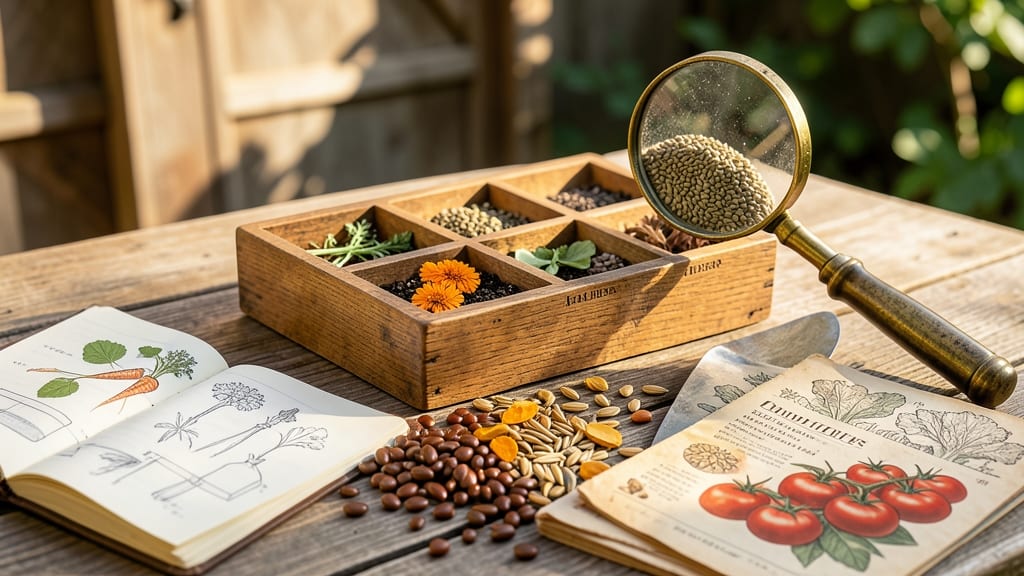
Free garden seed catalogs are your golden ticket to heirloom varieties without spending a dime. 🌱 I’ve ordered seeds from these catalogs for years, and they’ve saved me hundreds while introducing me to varieties I’d never find in stores—like the ‘Cherokee Purple’ tomato that tastes like summer in every bite.
These catalogs aren’t just wish lists; they’re tools for planning your garden. You’ll find climate-specific recommendations, seed-saving tips, and even notes on how to grow rare open-pollinated plants. Some include free seeds with your order, making it a no-risk way to try new crops.
By the end, you’ll have a tailored garden plan with seeds that thrive in your zone. The best part? You’re supporting small seed keepers and preserving biodiversity—all while growing food that’s non-GMO and true to its roots.
Here’s how to make the most of them: start by requesting catalogs from public seed libraries, then cross-reference varieties with your local growing season. The right catalog can turn a blank plot into a lush, productive garden—for free.
📚 In This Guide
- What you need
- Instructions
- Tips and common mistakes
- Wrapping up and next steps
What you need
- ● Computer, tablet, or smartphone – For browsing and ordering catalogs (Wi-Fi recommended).
- ○ Printer (optional but helpful) – If you prefer physical copies of seed lists or planting guides.
- ● Notebook or digital notes app – To track seed varieties, quantities, and planting dates.
- ● Pen or pencil – For marking preferences or deadlines.
- ● Mailing address – For receiving physical catalogs (if applicable).
- ● Email address – Most digital catalogs are delivered via email.
- ● Garden space assessment – Know your USDA Hardiness Zone (find it here) and soil type (sandy, clay, loamy, etc.).
- ○ Basic gardening tools (optional but handy): Trowel or hand shovel
- ● Garden gloves
- ● Measuring tape or ruler
- ● Seed-saving supplies – Paper envelopes, silica gel packets, or a seed vault for storing heirloom seeds.
- ● Planting calendar – To align seed orders with your local frost dates.
- ● Garden journal – For logging growth, challenges, and successes.
- ● Compost or soil amendments – To prep your garden beds before planting.
How to get free garden seed catalogs for heirloom varieties
Here’s how to secure free, high-quality seed catalogs—no purchase required—so you can plan your dream garden without spending a dime.
📚 Step 1: Identify Reputable Seed Companies That Offer Free Catalogs
Start with well-known seed companies that send free catalogs to new subscribers. Baker Creek Heirloom Seeds, Seed Savers Exchange, and Burpee are top choices—they regularly mail free catalogs to first-time requesters. I always check their websites for current promotions, as some offer digital catalogs or bonus seeds with your first order.
Write down the companies you’re interested in and their specific catalog request links. Some may ask for your mailing address upfront, while others let you browse their digital catalogs immediately. Pro tip: If a company doesn’t offer free catalogs, try searching for “[Company Name] free seed catalog” to find current promotions.
📝 Step 2: Request Catalogs Using the Correct Method
Most companies require you to fill out a simple form on their website or send a postcard with your request. For example, Baker Creek’s free catalog request page asks for your name, address, and email—no purchase necessary. Always double-check the instructions to avoid missing any steps, like including a stamped envelope if mailing in.
If you prefer digital catalogs, many companies now offer PDF versions you can download instantly. These are just as useful for planning and often include high-quality photos of heirloom varieties. I’ve found that digital catalogs are especially helpful when comparing varieties side by side.
📦 Step 3: Wait for Delivery and Organize Your Catalogs
Free catalogs typically arrive within 2-4 weeks, though some companies expedite digital versions within days. Once you receive yours, flip through it to highlight your top picks—mark varieties with bold colors, unique shapes, or disease resistance. I like to use sticky notes to flag pages for quick reference later.
If you requested multiple catalogs, compare them side by side. Some companies specialize in specific crops (like tomatoes or flowers), so you might end up with a well-rounded collection of varieties. Keep a notebook handy to jot down seed codes, descriptions, and growing tips from each catalog.
🌱 Step 4: Plan Your Garden Using the Catalogs
Now that you have your free resources, sketch a rough garden layout based on the varieties you’ve selected. Pay attention to spacing requirements, sunlight needs, and companion planting tips listed in the catalogs. For example, if you’re growing heirloom tomatoes, note whether they’re determinate (bush) or indeterminate (vining) to plan your trellis setup.
Cross-reference your catalogs to avoid duplicates and ensure a diverse harvest. Some companies include growing tips or regional recommendations—use these to tailor your garden to your climate. I always make a separate list of seeds I’ll need to order (even if free) to fill gaps in my collection.
💡 Step 5: Share Catalogs with Local Gardening Groups
Extend the value of your free catalogs by sharing them with local gardening clubs, community gardens, or seed swaps. Many catalogs include multiple copies or can be photocopied (with permission) for educational purposes. This not only helps others but also strengthens your local gardening network.
If you’re part of an online forum or social media group, post about your free catalogs and ask if others would like digital copies. Some companies allow limited sharing of their catalogs, so always check their terms first. I’ve seen gardeners trade seeds based on catalog recommendations, which is a great way to expand your varieties without spending more.
Tips & tricks for getting free heirloom seed catalogs
These insider strategies will help you maximize your free catalog collection and make the most of your zero-cost gardening resources.
Company Selection Tip: Focus on seed companies with strong reputations for heirloom varieties like Baker Creek and Seed Savers Exchange—they consistently offer the most comprehensive free catalogs. I always start with these three because their catalogs include rare varieties you won't find elsewhere. Pro tip: Check their websites for seasonal promotions that might include bonus seeds with your catalog request.
Digital vs Print Strategy: If you're in a hurry, digital catalogs are your best friend. Many companies now offer instant PDF downloads when you request them online. I've found these are just as valuable as printed versions—they include high-quality photos and detailed growing information. The best part? You can search and compare varieties instantly without waiting for mail delivery.
Organization System: Create a simple filing system for your catalogs using large envelopes or a three-ring binder. Label each section by crop type (vegetables, flowers, herbs) for quick reference. I also keep a separate notebook where I jot down seed codes and growing tips from each catalog. This makes planning your garden layout much easier when you're ready to order seeds.
Sharing Opportunities: Don't keep your catalogs to yourself! Many companies allow limited sharing of their materials for educational purposes. I've shared digital catalogs with local gardening groups and even created a seed swap based on varieties from these free resources. Just be sure to check each company's terms before distributing copies.
Pro Tips for Free Garden Seed Catalogs
- These insider strategies will help you maximize your free catalog collection and make the most of your zero-cost gard...
- Company Selection Tip: Focus on seed companies with strong reputations for heirloom varieties like Baker Creek and Se...
- Digital vs Print Strategy: If you're in a hurry, digital catalogs are your best friend. Many companies now offer inst...
Frequently asked questions
Got questions about free garden seed catalogs?
You’re not alone—here are answers to the most common ones to help you get started without spending a dime!
Where can I find legitimate free seed catalogs?
Look for nonprofit seed libraries, local gardening clubs, or reputable organizations like the Seed Savers Exchange. Many public libraries also offer free seed swaps or catalogs. Always check reviews or ask for recommendations from trusted gardeners to avoid scams.
When is the best time to order free seeds?
Most free seed catalogs arrive in late winter or early spring (January–March), aligning with planting seasons. Pro tip: Mark your calendar for seed swap events in your area—some happen year-round! If you miss the catalog drop, check online forums or local gardening groups for last-minute opportunities.
Can I still get free seeds if I live in an apartment or small space?
Many free seed catalogs include compact varieties perfect for containers, balconies, or windowsills (think cherry tomatoes, dwarf peppers, or microgreens). Look for seeds labeled “patio,” “bush,” or “container-friendly” to maximize your tiny space.
What if I don’t have a garden—can I still use these seeds?
Yes! Free seed catalogs often feature herbs, salad greens, and microgreens that thrive in pots or even paper towels (for sprouts). You can also swap seeds with neighbors or donate extras to community gardens. No green thumb? Start with easy-to-grow varieties like lettuce or radishes!
How do I avoid scams or low-quality seeds?
Stick to verified sources like seed libraries, universities, or well-known nonprofits. Avoid catalogs promising “exotic” seeds with no return policy. Red flags: No contact info, vague descriptions, or requests for shipping fees. Always read reviews or ask for seed-saving tips from local experts.
Wrapping up and next steps
Ready to transform your garden into a thriving, cost-free paradise?
Free garden seed catalogs are your gateway to heirloom treasures without spending a dime! 🌱 Whether you're a seasoned green thumb or just starting, these catalogs offer endless possibilities—from rare tomatoes to fragrant herbs—all while supporting sustainable gardening. Your next step? Pick a catalog, dream up your garden’s future, and start planting!
🌟 Pro Tip:
Bookmark your favorites and order early—some seeds fly off the virtual shelves! Then, share your harvest with neighbors or local food banks to spread the joy (and the seeds). Happy growing! 🌻