
Lawn
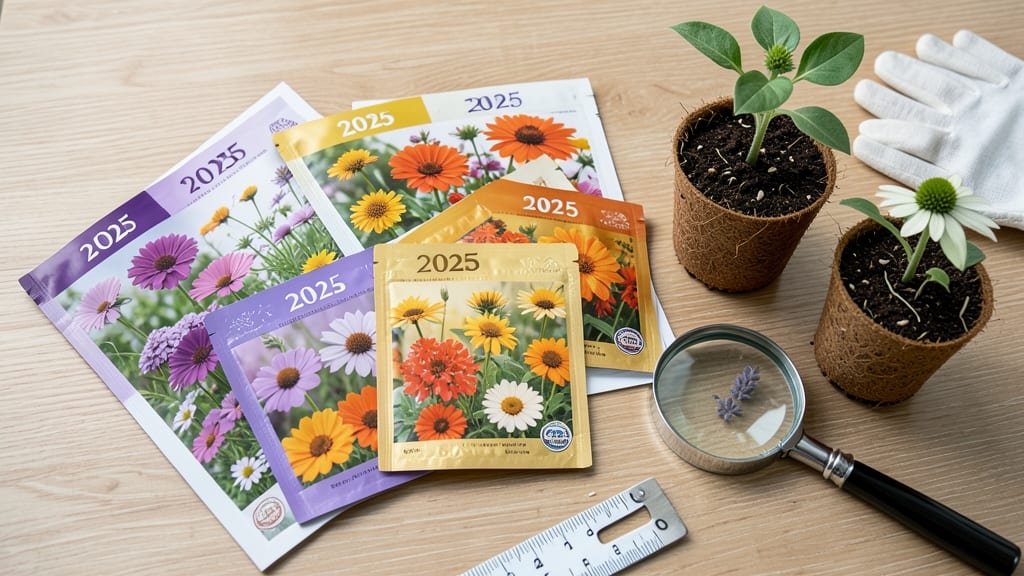
Flower seed catalogs for 2025 aren't just wish lists—they're treasure maps to gardens that'll make your neighbors green with envy. 🌸 I still remember the first time I flipped through a catalog and found varieties I'd never seen in stores: 'Black Velvet' hollyhocks, 'Moonlight' yarrow, and 'Crimson Rambler' roses that grow like crazy.
These aren't just seeds; they're your ticket to a garden that feels like a secret world. The magic starts now, while your garden is still blank canvas. Catalogs arrive with planting timelines tailored to your zone, so you can order seeds months before spring arrives.
I've used this head start to grow rare bulbs that bloom earlier, experiment with heirloom flowers that resist local pests, and even save seeds from my best performers to swap with fellow gardeners.
By late winter, you'll have a planting schedule that accounts for your microclimate, soil prep notes, and a wishlist of colors and textures that'll transform your space. The payoff?
A garden that doesn't just survive summer but thrives—with blooms that last from spring through frost and foliage that changes color like a painter's palette. Whether you're in Zone 3 or Zone 9, these catalogs help you plan around your first frost and last heatwave.
Here's how to make the most of them before the snow melts."
📚 In This Guide
- What you need
- Instructions
- Tips and common mistakes
- Wrapping up and next steps
What you need
- ● Flower seed catalogs (2025 editions): At least 3-5 to compare rare heirloom and organic varieties. Look for catalogs specializing in non-GMO, open-pollinated, or heirloom seeds.
- ● Seeds: Choose 10-20 packets of your favorite varieties (e.g., Black Jewel Tomato, Cherokee Purple Bean, or Moonflower Vine). Prioritize organic or untreated seeds for authenticity.
- ● Seed-starting trays: 5-10 biodegradable or reusable trays (72-200 cell count) for indoor germination.
- ● Seed-starting mix: 2-3 cubic feet of sterilized, peat-free potting mix (e.g., coconut coir or compost-based blend). Avoid garden soil—it’s too dense!
- ● Grow lights or sunny windowsill: A full-spectrum LED grow light (12-15W per tray) or a south-facing window with 6+ hours of sunlight daily.
- ● Misting bottle or spray nozzle: For gentle watering (avoid soaking seeds!).
- ● Plastic domes or clear plastic wrap: To create a humidity tent for germination.
- ○ Heat mat (optional but helpful): A seedling heat mat (set to 70-75°F) for faster germination of slow starters like peppers or tomatoes.
- ● Small hand trowel: For transplanting seedlings into larger pots or garden beds.
- ● Pruners or scissors: Sharp, sterilized tools for trimming or harvesting.
- ● Garden gloves: A pair of nitrile-coated gloves to protect against thorns or soil-borne pathogens.
- ● pH testing kit: To monitor soil pH (ideal range: 6.0-7.0 for most flowers).
- ● Organic fertilizers: Fish emulsion or compost tea (for early growth).
- ● Worm castings or bone meal (for phosphorus-rich blooms).
- ● Compost or mulch: 1-2 cubic yards of well-aged compost or straw mulch to enrich soil and retain moisture.
- ● Seedling labels: Waterproof tags or a digital labeling app (e.g., Gardenate) to track varieties.
- ● Self-watering planters: For hands-off hydration, especially for delicate seedlings.
- ● Row covers or shade cloth: To protect young plants from pests or harsh sun.
- ● Journal or app: Like Gardenize or a simple notebook to log planting dates, growth stages, and harvests.
- ● Local climate data: Check your USDA Hardiness Zone (2025 updates may refine this!) to pick seeds suited to your region.
How to navigate flower seed catalogs for rare heirlooms
Here's how I pick the best seeds from catalogs without getting overwhelmed by options.
📜 Step 1: Identify Your Growing Conditions
Start by scanning the catalog's growing zone maps—most list USDA hardiness zones right on the seed packet descriptions. Circle varieties marked for your zone to avoid disappointment later. I always check sun exposure requirements too: full sun, part shade, or full shade makes a huge difference for heirlooms.
Note your first and last frost dates from the catalog's climate section. This tells you exactly when to start seeds indoors or when to plant directly outside. Heirloom varieties often have longer growing seasons than hybrids, so plan accordingly. Don't skip this—planting too early or late ruins even the rarest flowers.
🌱 Step 2: Hunt for Heirloom and Organic Certifications
Look for labels like "heirloom," "open-pollinated," or "organic" in the seed descriptions. These terms mean the seeds will reproduce true to type year after year, unlike hybrids. I always check the catalog's organic certification section—they'll highlight seeds grown without synthetic pesticides or GMOs.
Pay attention to seed saving notes too. Many heirloom varieties include instructions for saving seeds yourself. This is a game-changer for rare flowers—you can preserve them indefinitely. Some catalogs even offer seed-saving kits with their rare varieties, which is worth the extra cost.
☀️ Step 3: Compare Growth Habits and Colors
Sketch a rough garden layout on paper before ordering. Note each variety's mature size and spread—some heirloom dahlias can reach 5 feet tall while others stay compact. Check bloom times too: early spring bloomers like heirloom tulips won't mix well with late summer varieties.
Don't overlook color descriptions—they're often more vivid than photos suggest. Some heirloom roses have shades that modern hybrids can't match. I always order at least one "wow" variety to anchor my color palette. Pro tip: Check if the catalog offers color swatches or digital samples for tricky shades.
💰 Step 4: Calculate Total Costs Including Shipping
Compare bulk pricing—some catalogs offer discounts for 10+ packets. I always check if they include shipping costs or offer free shipping over certain amounts. Remember that rare heirlooms often cost more per packet than common varieties, so budget accordingly.
Look for catalogs that offer seed guarantees. Most reputable ones will replace or refund seeds that don't germinate. I've used this policy twice with a rare Black Pearl tomato seed that arrived moldy. Also check their return policy—some require you to plant before returning unused seeds.
⏰ Step 5: Place Your Order Early and Track Germination
Popular heirloom varieties sell out fast, so order by the catalog's early bird deadline if possible. I always make notes about germination times in my garden planner. Some heirloom seeds need stratification (cold treatment) or scarification (nick the seed coat) to sprout properly—check the catalog's instructions.
When your seeds arrive, store them in a cool, dark place until planting. I use small glass jars with silica gel packets to maintain humidity. Label each packet with the variety name and year—heirloom seeds lose viability faster than hybrids, so don't let them sit unused for years.
Tips & tricks for mastering rare heirloom seed selection
Finding the perfect rare heirloom seeds takes strategy—here's how to make every catalog choice count.
Growing Zone Precision: Don't just guess your zone! Use the USDA map tool to confirm your exact zone number, then cross-reference with catalogs that list varieties by zone. I've learned the hard way that some heirlooms thrive in zone 5 but struggle in zone 6—those 10°F differences matter. For borderline zones, check catalog notes about microclimates in your area, especially if you have urban heat islands or protected valley locations.
Color Accuracy Tip: When comparing color descriptions, look for catalogs that include both the color name AND the actual hex code or Pantone match. Some heirloom roses have shades called "blush pink" that can range from pale shell to deep magenta—these codes help you visualize exactly what you're getting. I always print out the color swatches section for my "wow" varieties before ordering.
Budget Strategy: Prioritize your top 3 must-have heirlooms first, then look for catalogs offering "buy 2, get 1 free" deals on rare varieties. I've saved $50+ by stacking discounts from different catalogs—just be sure to track your planting schedule so you're not overwhelmed with germination timing. Remember that heirloom seeds often cost more per packet, but you're paying for genetic purity and preservation.
Seed Viability Hack: If you're ordering multiple packets, ask catalogs about their seed viability guarantees. Some reputable ones will replace seeds that fail to germinate within 2 years of purchase. I keep a spreadsheet tracking my seed purchases and germination rates—this helps me identify which catalogs consistently deliver high-quality stock. For seeds older than 2 years, consider requesting fresh packets, especially for rare varieties.
Pro Tips for Flower Seed Catalogs 2025
- Finding the perfect rare heirloom seeds takes strategy—here's how to make every catalog choice count.
- Growing Zone Precision: Don't just guess your zone!
- Color Accuracy Tip: When comparing color descriptions, look for catalogs that include both the color name AND the actual hex code or Pantone match.
Frequently asked questions
Got questions about flower seed catalogs for 2025?
You’re not alone! Here are answers to the most common queries—from timing to troubleshooting—so you can dive into rare heirlooms and organic varieties with confidence.
When is the best time to order flower seeds for 2025?
Order now (early 2024) for the widest selection of rare heirlooms and organic varieties! Most catalogs ship seeds in late winter (Jan–Feb) for spring planting, while some offer fall/winter options. Pro tip: Check each catalog’s shipping deadlines—some require orders by December to avoid delays.
Are heirloom and organic seeds worth the extra cost?
Heirloom seeds preserve unique genetics and often yield hardier, more flavorful blooms. Organic seeds avoid GMOs and synthetic pesticides, which benefits pollinators and soil health. For budget-friendly starts, look for seed swaps or bulk discounts in catalogs like Baker Creek or Seed Savers Exchange.
How do I store seeds until planting time?
Keep seeds in a cool, dark, dry place (like a fridge or seed vault) in airtight containers. Add a silica gel packet to prevent moisture damage. Most seeds last 1–5 years—check the packaging date! For long-term storage, freeze seeds in sealed bags with a desiccant (like uncooked rice). Label everything!
What if my seeds don’t germinate?
First, verify freshness (older seeds may need stratification or scarification). Test germination by soaking a few seeds in water—if they don’t swell, they may be dead. Try pre-soaking or adjusting light/temperature. Some catalogs (like Johnny’s Selected Seeds) include germination guarantees—contact them for replacements if needed.
Can I find non-GMO/heirloom seeds outside of catalogs?
Yes! Local seed libraries, farmers’ markets, and online retailers like Territorial Seed Co. or High Mowing Seeds offer alternatives. For hyper-local adaptations, connect with seed-saving groups on Facebook or Seed Savers Exchange. Always ask for organic certification if that’s a priority!
Wrapping up and next steps
As we look ahead to 2025, flower seed catalogs are more than just a shopping list—they’re a gateway to cultivating rare heirlooms and organic beauty that celebrate nature’s legacy.
Whether you’re drawn to vintage charm or cutting-edge organic hybrids, these catalogs empower you to grow a garden that tells a story. 🌸
Ready to plant the seeds of your dream garden? Start by browsing the top catalogs mentioned, jot down your favorites, and mark your calendar for early ordering—some rare varieties sell out fast!
Then, roll up your sleeves and let the magic of heirloom blooms transform your outdoor space into a living masterpiece.
Your garden’s future is blooming—now go make it happen! 🌱✨