
Size
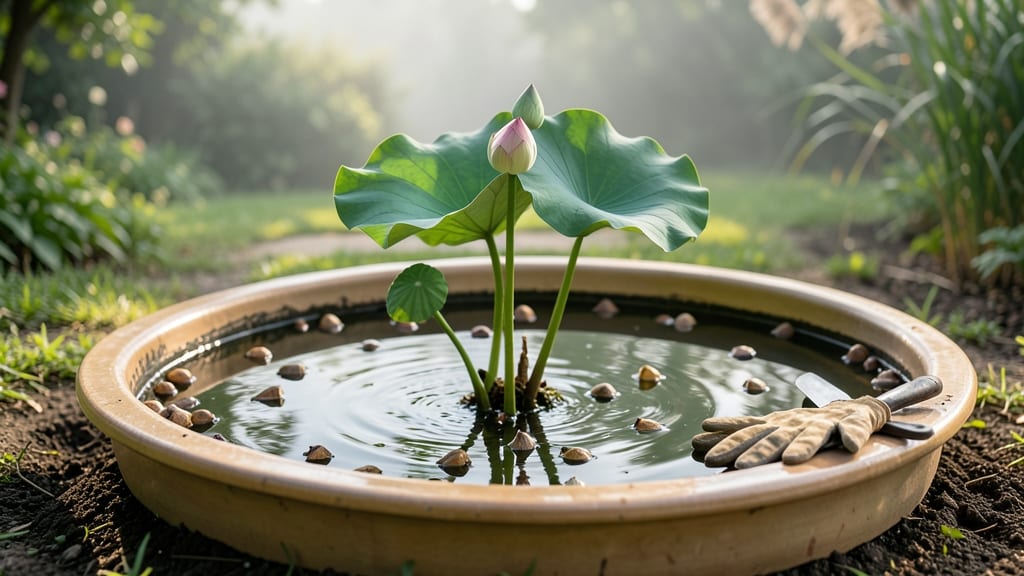
Growing lotus seeds in a garden means blooms that feel like magic—but only if you crack the cold stratification secret. ✨ I’ve struggled with flaky germination until I learned the exact timing and moisture balance that tricks seeds into sprouting reliably.
The difference between waiting months for nothing and seeing those first green shoots in weeks comes down to this one preparation step.
You’ll need just three things: potted soil, a sealed plastic bag, and a fridge. The process mimics winter’s natural cycle, breaking dormancy without forcing the seed.
Plant them in 3-4 inches of water once they sprout—deeper for hardy varieties, shallower for tropical types—and watch as roots establish in 4-8 weeks. Patience pays off with bold, fragrant blooms by mid-summer.
Common mistakes? Overwatering (roots rot fast) or skipping the cold treatment (seeds stay stubborn). But once you’ve got the rhythm, lotus seeds become foolproof—even for beginners. The first time you see a seedling punch through the soil after weeks of waiting, you’ll understand why gardeners chase this challenge.
Works for both pond-edge and container-grown lotus. Here’s how to avoid the pitfalls most growers hit—starting with the fridge trick that changes everything.
📚 In This Guide
- What you need
- Instructions
- Tips and common mistakes
- Wrapping up and next steps
What you need
- ● Lotus seeds: Fresh or dried (Nelumbo nucifera or Nelumbo lutea), 10–20 seeds per batch (adjust based on desired plant count).
- ● Cold stratification setup: Plastic storage bag (resealable, quart-sized) or small container with lid.
- ● Moistened peat moss or coco coir (1 cup per 10 seeds).
- ● Water (room temperature, ¼ cup per batch).
- ● Growing medium: Well-draining potting mix (e.g., 50% peat moss + 50% perlite or sand).
- ● Containers: 4–6" pots or trays with drainage holes (1–2 seeds per pot).
- ● Grow lights or sunny windowsill: 6+ hours of indirect light daily.
- ● Tools: Small hand trowel or spoon (for transplanting).
- ● Spray bottle (for gentle watering).
- ○ Thermometer (optional, to monitor cold stratification temps: 35–45°F).
- ● Extras for Success: Humidity dome (to retain moisture during germination).
- ● Fish emulsion or compost tea (for nutrient boost post-stratification).
- ● Garden journal (to track stratification dates and germination progress!).
Step-by-step instructions for cold stratifying lotus seeds
Here’s how I break the dormancy cycle to guarantee those iconic lotus blooms—no guesswork, just science-backed patience.
🌱 Step 1: Collect and Prepare Fresh Seeds
Harvest seeds from fully mature lotus pods—wait until they turn brown and split open naturally. The seeds inside should be plump and firm, not shriveled. I like to soak them for 24 hours in lukewarm water to soften the outer husk, which speeds up germination later. Swirl them gently to remove any debris clinging to the seed coat.
After soaking, drain the seeds and let them air-dry on a paper towel for 12-24 hours. You’ll notice the outer coating darkens slightly—this is normal and signals the seed’s readiness for stratification. If you’re working with store-bought seeds, skip the soaking and proceed directly to drying.
❄️ Step 2: Stratify in Moist Sand or Peat Moss
Mix equal parts moist sand and peat moss in a shallow container—just enough to cover the seeds by 1 inch. The medium should feel damp like a wrung-out sponge, not soggy. Place the seeds 1 inch apart to prevent crowding, which can lead to mold. I use a small plastic tray with drainage holes to keep moisture controlled.
Seal the container in a ziplock bag and refrigerate at 35-40°F for 8-12 weeks. Check the moisture weekly—if the mix feels dry, mist lightly with water. The cold period mimics winter’s natural dormancy, breaking the seed’s internal chemical block. You’ll know it’s working when tiny white roots emerge after 4-6 weeks—this is your signal to stop refrigeration.
☀️ Step 3: Transition to Warmth and Plant
Remove the container from the fridge and let it sit at room temperature for 3-5 days to acclimate. This gradual shift prevents shock. Plant the stratified seeds ½ inch deep in well-draining potting mix (lotuses hate soggy roots). I use a mix of 50% potting soil, 30% perlite, and 20% compost to ensure aeration.
Place the pots in a bright, indirect light spot—no direct sun yet. Lotus seedlings are delicate and can scorch easily. Keep the soil consistently moist (not wet) by watering at the base. You’ll see the first true leaves in 3-4 weeks, signaling it’s safe to move them to a sunny outdoor location after all frost risk has passed.
🌿 Step 4: Maintain for Blooms
Once outdoors, lotuses need full sun (6-8 hours daily) and deep water—their roots extend 2-3 feet down. I plant mine in containers with saucers to catch excess water, preventing root rot. Fertilize lightly every 4 weeks with a balanced aquatic plant fertilizer (half-strength) during the growing season.
Patience is key—lotuses take 2-3 years to bloom from seed. Watch for thick, paddle-shaped leaves as a sign of robust growth. If leaves yellow, it’s often overwatering; if they wilt, the plant needs more water. Mulch with 1 inch of organic matter in late fall to protect roots through winter.
Tips & tricks for perfect lotus seed stratification
These science-backed strategies will help you maximize germination success and avoid common pitfalls in your aquatic garden project.
Soaking Secret: The 24-hour lukewarm water soak isn't just about softening the husk—it's also a great time to inspect your seeds. Discard any that float or feel hollow, as these won't germinate. For extra insurance, add a drop of hydrogen peroxide to the soaking water (1 part peroxide to 10 parts water) to prevent mold growth during this critical stage. The darkened outer coating after drying is your green light that the seeds are ready for stratification.
Stratification Setup: When mixing your sand and peat moss, aim for a consistency where water beads up on the surface rather than soaking through immediately. This moisture level mimics natural conditions and prevents both drying out and waterlogging. I've found that using a spray bottle for weekly moisture checks gives you more control than pouring water directly, which can disrupt the seed spacing you worked so hard to establish.
Temperature Troubleshooting: Your refrigerator's temperature might not be exactly 35-40°F—most home fridges run cooler in the crisper drawer. Use a small thermometer to monitor the environment where your seeds are stored. If you notice condensation forming on the ziplock bag, your fridge is too cold; if the mix feels dry, it's too warm. Adjust by moving the container to a different shelf or adding a small insulating layer if needed.
Transition Timing: The 3-5 day acclimation period is where many gardeners rush the process. I recommend testing your seeds' readiness by gently pressing one—if it springs back quickly, it's not ready. If it stays indented, it's time to plant. This gradual transition prevents the shock that can stall growth or even kill young seedlings before they get started.
Pro Tips for Lotus Seed Grow A Garden
- These science-backed strategies will help you maximize germination success and avoid common pitfalls in your aquatic garden project.
- Soaking Secret: The 24-hour lukewarm water soak isn't just about softening the husk—it's also a great time to inspect your seeds.
- Stratification Setup: When mixing your sand and peat moss, aim for a consistency where water beads up on the surface rather than soaking through immediately.
Frequently asked questions
Got questions about growing lotus seeds? You’re not alone—many gardeners wonder how to coax these stunning blooms from tiny seeds! Here are answers to the most common queries to help you succeed.
How long does cold stratification take for lotus seeds?
Cold stratification typically requires 6–12 weeks in a moist, chilled environment (like a fridge). For aquatic lotuses, soak seeds in water for 24–48 hours first, then refrigerate in a sealed bag with damp paper towels. Patience is key—rushing this step can lead to poor germination.
Can I grow lotus seeds indoors before transplanting?
Yes! Start seeds indoors in warm water (70–80°F) for 3–5 days to soften the shell. Once sprouted, transfer to a shallow tray with 1–2 inches of water and a heat mat (75–85°F). Keep them indoors until roots are 2–3 inches long, then transplant to your pond or container.
What if my lotus seeds won’t sprout after stratification?
Try these fixes:
- Check moisture: Seeds must stay consistently damp (not soggy).
- Test viability: Cut open a seed—if it’s mushy or moldy, it’s dead.
- Adjust temperature: Some varieties need higher heat (80°F+) after stratification.
- Try scarification: Gently sand the seed coat to help water penetrate.
Are there alternatives to cold stratification for lotus seeds?
While cold stratification is the most reliable method, you can try:
- Hot water soak: Boil water, pour over seeds, and let sit for 24 hours to mimic natural softening.
- Sulfuric acid treatment (for tough shells): Soak seeds in 90% sulfuric acid for 30–60 minutes, then rinse thoroughly.
- Long-term soaking: Leave seeds in water for 3–6 months (changes the odds but isn’t guaranteed).
Can I grow lotus seeds in a regular garden (not a pond)?
Lotus seeds need water to germinate and thrive, so a pond, large container, or shallow basin is ideal. For a garden bed, plant seeds in a water-filled pot and bury it partially in soil, keeping the top submerged. Alternatively, grow them in a kiddie pool or decorative water feature with 6+ inches of water depth. Drainage isn’t needed—they love it wet!
Wrapping up and next steps
Growing lotus seeds with cold stratification is a rewarding journey that unlocks vibrant blooms and lush foliage—perfect for adding a touch of exotic beauty to your garden! 🌸 By following the right steps, from selecting high-quality seeds to mastering the chilling process, you’re setting yourself up for success.
Remember, patience and consistency are key, but the results will be worth every effort.
Now that you’re armed with the knowledge, it’s time to take action! Start your cold stratification process today, and soon, you’ll be enjoying the stunning sight of lotus flowers in full bloom. Happy gardening! 🌱