
Lawn
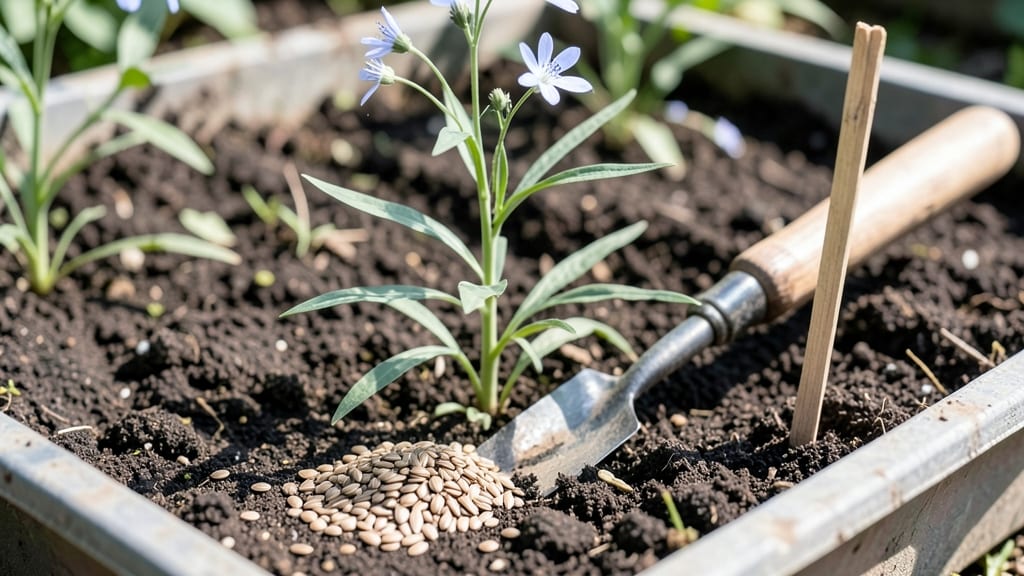
Planting flax seeds for their silky stems and easy seed pods is one of those gardening surprises—simple to grow, stunning when it works, and shockingly productive. 🌱 I’ve watched flax go from tiny seeds to towering plants with barely any effort, and the best part?
Those signature pods don’t twist shut like other plants, making seed collection a breeze. The secret lies in the soil, timing, and a few tricks to keep them standing tall.
Flax thrives in well-draining soil with a pH between 6.0 and 7.5, and it’s happy in full sun—think at least 6-8 hours of direct light daily. Direct-seeding is easiest: scatter seeds ½ inch deep, spacing them 6-12 inches apart, and keep the soil moist but not soggy.
Transplanting is tricky because flax dislikes root disturbance, so start seeds indoors if your growing season is short. The goal is to avoid overcrowding, which leads to weak stems and fewer pods.
Within 10-14 days, you’ll see those first delicate leaves poking through the soil, and by midseason, you’ll be rewarded with 3-4 foot tall plants dotted with sky-blue flowers. Water consistently at the base to prevent fungal issues, and avoid overhead watering—wet foliage invites mildew.
By late summer, you’ll have pods ready to harvest, and the whole process takes just 90-120 days from seed to seed.
Here’s the kicker: flax is versatile. Grow it for fiber (those silky stems), oil (from the seeds), or just for the ornamental blooms. The no-twist pods make it a gardener’s favorite, and once you try it, you’ll wonder why you didn’t plant it sooner.
Let’s get those seeds in the ground!
📚 In This Guide
- What you need
- Instructions
- Tips and common mistakes
- Wrapping up and next steps
What you need
- ● Flax Seeds: 1–2 lbs (organic, untreated preferred; look for varieties like Linum usitatissimum for easy pod extraction).
- ● Seed Starting Mix: 5–10 lbs of lightweight, well-draining potting soil (or compost blend for organic gardening).
- ● Containers or Garden Bed: Option 1: 4–6" deep pots (6–8 per batch) with drainage holes.
- ● Option 2: Raised garden bed (12" deep) or in-ground plot (6' x 2' minimum for direct sowing).
- ● Planting Tools: Hand trowel or small garden fork (for transplanting seedlings).
- ● Measuring cup or ruler (to space seeds 1/4" apart, 12" between rows).
- ● Watering Can or Hose: With a gentle spray nozzle (avoid over-saturating seeds).
- ○ Row Covers or Cloche: Optional but helpful for early planting (to protect seedlings from pests/frost).
- ● Slow-release fertilizer (5-10-5 NPK ratio, 1 tbsp per sq ft).
- ● Pruning shears (for harvesting pods before they shatter).
- ● Drying rack or mesh screen (to air-dry pods for seed extraction).
- ● pH test kit (ideal soil pH: 6.0–7.0; flax is forgiving but thrives in neutral soil).
- ● Label markers (to track planting dates and varieties).
Step-by-Step guide to growing flax with no-twist pods
Here’s how to cultivate flax plants that produce easy-to-harvest pods—no stubborn twisting to deal with.
🌱 Step 1: Choose and Prepare the Planting Site
Flax thrives in well-draining soil with a pH between 6.0 and 7.5. Work in a 6-inch layer of compost into the top 12 inches of soil to improve fertility and drainage. If your soil is heavy clay, mix in 1 part sand for every 3 parts soil—this prevents waterlogging, which flax plants hate.
Select a sunny spot with full sun (6+ hours daily). Flax is cold-hardy and can tolerate light frosts, but it grows best when planted after the last frost date in your area. I like to test soil moisture by squeezing a handful—if it crumbles but doesn’t stick, it’s ready for planting.
🌱 Step 2: Plant Seeds at the Right Depth and Spacing
Sow seeds ½ inch deep and 6 inches apart in rows spaced 12 inches apart. This spacing gives plants room to grow without competing for nutrients. I use a small hand trowel to make neat furrows, then drop seeds in and cover lightly with soil—just enough to hide them.
Water gently right after planting to settle the soil around the seeds. Avoid soaking the area, as flax seeds need moisture but won’t germinate in soggy conditions. You’ll see sprouts in 7-14 days—watch for the first tiny green leaves pushing through the soil.
☀️ Step 3: Maintain Moisture and Thin Seedlings
Keep the soil consistently moist but never waterlogged. Flax plants are drought-tolerant once established, but young seedlings need 1 inch of water per week. Water at the base of the plants in the morning to reduce fungal risks—wet leaves encourage mildew.
When seedlings reach 2 inches tall, thin them to 4 inches apart. Use scissors to snip unwanted plants at soil level—this prevents disturbing roots of the remaining seedlings. Strong, spaced-out plants produce healthier pods with fewer twists.
✂️ Step 4: Monitor Growth and Harvest at Peak Ripeness
Flax plants mature quickly, reaching 2-3 feet tall in 60-70 days. You’ll know they’re ready to harvest when the pods turn golden-brown and begin splitting open naturally. If you wait too long, seeds will scatter—harvest before 50% of pods open for the best yield.
Cut stems with clean shears, leaving 2 inches of stalk attached. Bundle stems and hang upside down in a dry, well-ventilated area for 1-2 weeks to fully dry. Once pods are crisp and seeds rattle inside, gently rub them between your hands to release the seeds—no twisting required!
🪴 Step 5: Store Seeds for Future Use
Spread dried seeds on a tray in a cool, dark place for 24 hours to cool completely. Store in an airtight container away from moisture and light. Properly stored flax seeds stay viable for up to 2 years, making them easy to save for next season.
Here’s the thing—flax plants are low-maintenance, but timing is everything. Harvest too early, and seeds won’t be fully developed. Harvest too late, and you’ll lose them to the wind. Aim for that golden-brown stage, and you’ll have effortless, twist-free pods every time.
Tips & tricks for perfect flax seed cultivation
Timing and soil prep make all the difference when growing flax—these simple tricks will help you avoid the most common pitfalls.
Soil Test First: Before amending your soil, grab a handful and squeeze it. If it holds together like a ball, it's too wet—flax hates soggy conditions. Aim for soil that crumbles easily between your fingers, like dry sand. If your clay soil feels sticky, mix in that 1:3 sand ratio right at planting time to prevent waterlogging. The 6-inch compost layer in Step 1 should be mixed into the top 12 inches to create proper drainage from the start.
Seed Planting Precision: The ½-inch depth and 6-inch spacing in Step 2 aren't arbitrary—they prevent overcrowding which leads to twisted pods. Use a ruler to mark your 12-inch rows and a toothpick to make precise holes for seeds. This might seem fussy, but it pays off when harvest time comes. I like to sprinkle a pinch of diatomaceous earth in each furrow before planting to deter soil-borne pests that could stress young plants.
Harvest Timing Secret: Those 60-70 days until maturity can feel like forever, but don't rush it! The golden-brown pods in Step 4 should be your guide—not days on the calendar. I test ripeness by gently squeezing a few pods—if they split open easily with a slight crunch, they're ready. Harvesting before 50% of pods open ensures you capture the majority of seeds without wasting them to the wind.
Drying Strategy: When you bundle stems for drying in Step 4, leave that 2-inch stalk attached—it acts as a natural handle when you're ready to thresh. Hang bundles in a spot with good airflow but no direct sunlight (like a covered porch). After 1-2 weeks, pods should be crisp and seeds should rattle inside. If you're in a humid climate, add a small fan nearby to speed up drying without risking moisture damage.
Pro Tips for Flax Seed Planting
- Timing and soil prep make all the difference when growing flax—these simple tricks will help you avoid the most common pitfalls.
- Soil Test First: Before amending your soil, grab a handful and squeeze it.
- Seed Planting Precision: The ½-inch depth and 6-inch spacing in Step 2 aren't arbitrary—they prevent overcrowding which leads to twisted pods.
Frequently asked questions
Got questions about growing flax seeds? You’re not alone—planting them can feel tricky at first! Here’s a quick breakdown of the most common concerns to help you get started with confidence.
When is the best time to plant flax seeds?
Flax thrives in cool weather, so aim to plant in early spring (as soon as the soil is workable, around 40–50°F) or late summer/early fall (8–10 weeks before your first frost). Avoid planting in hot, dry spells—seeds can bolt (flower too quickly) or struggle to germinate.
How long does it take for flax seeds to grow and harvest?
From planting to harvest, flax typically takes 90–120 days. Seeds sprout in 7–14 days, and pods mature when they turn golden-brown and split open easily. Watch for dry, crisp stems—this signals peak harvest time! Rushing can mean immature seeds.
Can I grow flax seeds in containers or small spaces?
Flax is a compact crop—it grows 2–4 feet tall—so containers (at least 12 inches deep) or small garden beds work great. Just ensure they get full sun (6+ hours/day) and well-draining soil. For containers, plant seeds ½ inch deep, 1 inch apart.
What should I do if my flax plants bolt (flower too early)?
Bolting often happens in heat or long daylight. To prevent it:
- Plant in cool seasons (spring/fall).
- Use shade cloth if summer temps exceed 75°F.
- Choose short-day varieties (like ‘Linette’) for better heat tolerance.
Are there alternatives to traditional flax seed planting?
Yes! If you’re short on space or patience, try:
- Microgreens: Grow flax 1–2 inches tall, chop, and use in salads (nutrient-packed!).
- Hydroponics: Sprout seeds in water (3–5 days) for a quick, soil-free harvest.
- Companion planting: Pair flax with clover or peas to improve soil nitrogen.
Wrapping up and next steps
Planting flax seeds with no-twist pods is a game-changer for gardeners seeking effortless harvests and high-quality seeds! 🌱 By following the right steps—from soil prep to post-harvest care—you’ll enjoy minimal fuss and maximum rewards.
Whether you’re a beginner or a seasoned grower, this method simplifies the process while boosting your yield.
Ready to reap the benefits? Start small—plant a few rows this season—and watch your flax thrive! Once you’ve mastered the technique, consider expanding your garden or even sharing tips with fellow green thumbs. Happy planting! 🌿