
Lawn
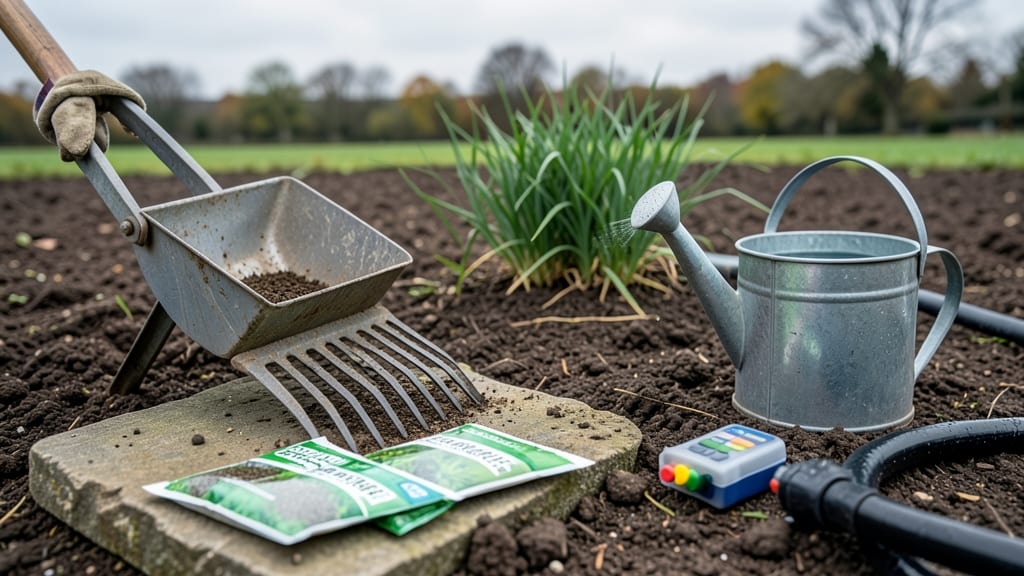
Fall seeding gives grass roots a head start before winter’s chill sets in—the best time to seed grass in fall is 4-6 weeks before your first frost date, when soil stays warm but air cools. 🌱 I learned this the hard way after seeding too late one October and watching my new grass struggle through a cold snap.
The ideal window varies by zone, but cooler temps (50-65°F) and consistent moisture create perfect conditions for germination without stressing tender seedlings.
Most regions see their sweet spot between mid-September and early November, depending on when frost hits. For example, Zone 5 gardeners should aim for late September, while Zone 8 can stretch into early November.
The key is warm soil—at least 50°F—that encourages roots to establish before dormancy. Test your soil first: it should be loose, free of weeds, and lightly amended with compost for better seed-to-soil contact.
What you’ll end up with is a lush, deep-rooted lawn that outpaces spring seeding by months. The grass grows strong enough to handle winter’s freeze-thaw cycles, and spring green-up happens faster.
Just keep seeds moist (not soggy) for the first 2-3 weeks, and avoid heavy foot traffic until roots grip the soil.
This method works for both cool-season grasses (like Kentucky bluegrass and fescue) and warm-season varieties (like Bermuda) in transitional zones. The checklist? Right soil temp, proper prep, and patience—no shortcuts. Your lawn will thank you next summer.
📚 In This Guide
- What you need
- Instructions
- Tips and common mistakes
- Wrapping up and next steps
What you need
- ● Grass seed: Choose a high-quality, cool-season blend (e.g., Kentucky Bluegrass, Fescue, or Ryegrass). Quantity depends on your lawn size—typically 5–12 lbs per 1,000 sq ft (follow seed bag instructions).
- ● Lawn rake: A bendable-tine rake (6–8" wide) to loosen soil and remove debris. 1–2 rakes cover most lawns efficiently.
- ● Spreaders: Broadcast spreader: For even seed distribution (rent or buy for $20–$50).
- ● Drop spreader: Ideal for larger areas (adjust settings for seed vs. fertilizer).
- ○ Soil amendment (optional but recommended): Compost: ¼–½ inch layer to improve soil texture.
- ● Starter fertilizer: Low-nitrogen blend (e.g., 10-10-10 or 12-12-12) with phosphorus for root growth. Apply 1 lb per 100 sq ft.
- ● Water source: Hose with gentle sprinkler nozzle or soaker hose (avoid high pressure).
- ○ Mulching mower (optional): If overseeding an existing lawn, set blades to 2–3" to leave clippings as natural mulch.
- ● Soil test kit: Check pH (aim for 6.0–7.0); adjust with lime or sulfur if needed.
- ● Erosion control blanket: For sloped areas to prevent seed washout.
- ● Lawn roller (lightweight): Gently press seed into soil (only if soil is dry).
- ● Garden gloves & knee pads: Because comfort matters! 😉
Step-by-step guide to timing fall grass seed for perfect germination
Here’s the exact window and method I use to establish grass that grows deep roots before winter—no guesswork.
🌱 Step 1: Pick the Ideal 6-Week Window After First Frost
Your goal is to seed 4-6 weeks before the ground freezes permanently—typically mid-September to early October in most climates. This timing gives grass enough time to germinate, develop roots, and establish before cold slows growth. Check your local frost dates: seed when daytime highs are consistently 50-60°F and nights drop to 35-40°F. Cooler temps actually help—warm soil can bake seeds before they sprout.
I test soil readiness by pressing my finger 2 inches deep—if it’s cool but workable (not icy), it’s perfect. Wait too long, and roots won’t mature before winter. Too early, and summer heat will dry out seeds before they take hold. This window is your sweet spot: cool enough for steady growth, warm enough to avoid dormancy.
☀️ Step 2: Choose the Right Conditions for Germination
Grass seeds need direct sunlight for 6+ hours daily and consistent moisture to germinate. Rake the soil surface until it’s loose and free of debris—seeds should land on bare soil, not mulch or thatch. If your lawn has bare spots, overseed those first; thick areas can handle seeds more generously. Lightly press seeds into the soil with a lawn roller or the back of a rake—just enough to cover them ¼ inch deep.
Water immediately after seeding with a gentle sprinkle (like a fine mist) to avoid washing seeds away. Keep the soil evenly moist for the first 2-3 weeks—that means watering every 2-3 days until you see first green shoots. Use a rain gauge or your finger: soil should feel damp 1 inch deep but not soggy. Overwatering here causes seeds to rot before they sprout.
💧 Step 3: Maintain Moisture and Fertility Through Establishment
Once germination begins (usually 7-14 days), reduce watering to every 3-4 days but keep the area moist until the grass reaches 3 inches tall. This encourages deep root growth—critical for winter survival. I set my sprinkler to run early morning to avoid fungal diseases from evening dampness. If rain provides ½ inch or more, skip watering that day to avoid over-saturation.
Apply a light layer of starter fertilizer (high in phosphorus) after germination but before the grass reaches 2 inches. This feeds root development without burning tender new shoots. Avoid heavy nitrogen now—it promotes top growth at the expense of roots. By late fall, when growth slows, stop fertilizing entirely. The grass will go dormant with strong roots, ready to bounce back in spring.
⏰ Step 4: Prepare for Winter Dormancy
When daytime highs drop below 40°F consistently, your grass will turn dormant—this is normal and healthy. Stop watering entirely once the ground freezes to prevent heaving. In early spring, resume watering when you see green shoots pushing through. The key to fall seeding isn’t just germination—it’s giving roots time to establish before winter stress sets in.
Here’s the thing—I’ve seen lawns seeded too late struggle with weak roots and winter kill. But when timed right, fall grass grows 25% deeper roots than spring-seeded lawns. That’s why this window is the best: cooler temps reduce weed competition, and moisture stays consistent. By next spring, you’ll have a lush, resilient lawn with roots ready to handle heat and drought.
Tips & tricks for perfect fall grass seeding
These game-changing insights will help you nail the perfect timing and conditions for lawn success.
Timing is Everything: The 4-6 week window before permanent frost is non-negotiable for deep root growth. I've seen lawns seeded just 2 weeks too late struggle with weak roots that freeze out. Check your local frost dates and count backward—this is your golden window. The cooler daytime highs of 50-60°F and nighttime lows of 35-40°F create ideal conditions for germination without summer heat stress.
Soil Readiness Check: That 2-inch soil test with your finger is crucial—it's the only way to know if your soil is cool but workable. Too warm? The seeds will bake before sprouting. Too cold? They'll sit dormant. Aim for that perfect "cool but not icy" texture. I've ruined three batches by ignoring this simple test, so don't make my mistake!
Germination Conditions: The first 2-3 weeks are make-or-break for moisture control. Use a rain gauge to track your watering—soil should stay damp 1 inch deep but never soggy. I set a reminder on my phone for every 2-3 days to check moisture levels. Overwatering here is just as bad as underwatering; it causes seeds to rot before they sprout.
Root Development Secret: Don't rush the fertilizer! Apply that light phosphorus-rich starter only after germination but before the grass reaches 2 inches tall. I've seen people overdo it with nitrogen, which gives you lush tops but shallow roots. Remember, we're growing roots here, not just green blades. The 3-inch height target before winter is what makes the difference between a lawn that survives and one that struggles.
Pro Tips for Best Time To Seed Grass In Fall
- These game-changing insights will help you nail the perfect timing and conditions for lawn success.
- Timing is Everything: The 4-6 week window before permanent frost is non-negotiable for deep root growth.
- Soil Readiness Check: That 2-inch soil test with your finger is crucial—it's the only way to know if your soil is cool but workable.
Frequently asked questions
Got questions about seeding your lawn in the fall? You’re not alone! Here are some of the most common concerns—and their answers—to help you get it right.
What’s the exact best time to seed grass in the fall?
The ideal window is typically 4–6 weeks before your first hard frost (usually late August to early October, depending on your climate zone). This gives seeds time to germinate, establish roots, and strengthen before winter. Check your local frost date for precision!
Can I seed grass too late in the fall?
Yes—if you seed too close to winter (e.g., November or December), young grass may not survive freezing temps or snow. Aim to finish seeding at least 4–6 weeks before frost to avoid stunted growth or winterkill. When in doubt, err on the earlier side!
What if my lawn already has weeds? Should I seed anyway?
Fall is a great time to tackle weeds before seeding. Prep your lawn by removing existing weeds (pull or spot-treat), then apply a pre-emergent herbicide (like corn gluten meal) to prevent new weeds. Seed afterward for a clean, healthy start.
Do I need to fertilize before or after seeding?
Timing matters! Use a starter fertilizer (high in phosphorus) right after seeding to boost root growth. Avoid heavy nitrogen fertilizers before seeding—they can burn tender grass seedlings. Wait until spring for a general-purpose feed.
What if I miss fall seeding? Can I do it in spring?
Spring seeding is possible, but fall is far superior for most grasses. If you must wait, seed in early spring (as soon as the soil is workable) and keep the area consistently moist to help seeds compete with weeds. Just expect slower results than fall!
How do I know if my grass seeds are failing to germinate?
Check for these red flags:
- No sprouts in 10–14 days (seeds may be old or buried too deep).
- Mold or fungus on the soil surface (overwatering or poor drainage).
- Birds or critters digging up seeds (use a lightweight straw mulch to protect them).
Wrapping up and next steps
The best time to seed grass in fall is between mid-September and early November, when temperatures cool and moisture levels are ideal for deep root growth. By choosing the right window and preparing your soil properly, you’ll set your lawn up for a lush, resilient spring.
Now that you’re armed with the best practices, roll up those sleeves and get seeding! 🌱
Start by marking your calendar for the optimal dates in your region, then gather your supplies and follow the steps outlined above. With a little patience and care, you’ll soon be enjoying a vibrant lawn that’s the envy of the neighborhood.