
Lawn
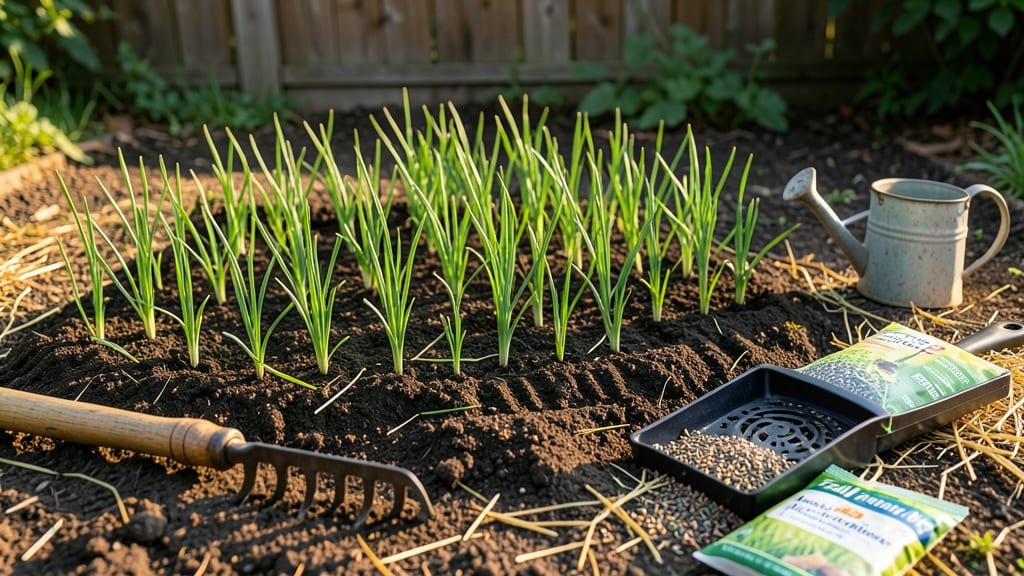
Will grass seed grow in the fall? Absolutely—it’s when cool-season grasses like fescue and ryegrass thrive. ✨ The key is timing: sow seeds 4-6 weeks before your first hard frost, when soil stays above 50°F but nights dip into the 40s. I’ve seen patchy lawns transform into lush carpets this way, especially in zones 3-8 where fall moisture and cooler temps create perfect growing conditions.
Your biggest ally is Mother Nature’s moisture—fall rains water for you, while fewer weeds compete for nutrients.
The trick is prepping soil right: aerate compacted areas, rake away debris, and top with a thin layer of compost. A light mulch (like straw) protects tender seedlings from late-season heat spikes or early frost.
By spring, you’ll have a thicker, greener lawn than spring planting ever delivers. The roots establish deep before winter, so they bounce back faster from drought and heat. Just watch for voles—they love fresh seed—and avoid heavy foot traffic until sprouts hit 2-3 inches tall.
Works for new lawns, patchy spots, or overseeding—just adjust timing for your region. Northern gardeners can plant as late as November; Southerners should finish by October. Here’s how to nail it without the guesswork.
📚 In This Guide
- What you need
- Instructions
- Tips and common mistakes
- Wrapping up and next steps
What you need
- ● Cool-season grass seed: Choose a high-quality blend suited for your climate (e.g., Kentucky bluegrass, fescue, or ryegrass). Aim for 5–10 lbs per 1,000 sq ft, depending on seed type and bare spots.
- ● Lawn soil tester kit: Ensures your soil’s pH (ideal: 6.0–7.0) and nutrient levels are optimal for fall seeding.
- ● Compost or organic fertilizer: A balanced 10-10-10 or 16-4-8 NPK ratio (apply ½ lb per 100 sq ft) to boost root growth.
- ● Topsoil or compost: ¼-inch layer to cover seeds lightly and retain moisture.
- ● Garden rake: With fine tines (¼–½ inch spacing) to loosen soil and create a seed-friendly surface.
- ● Broadcast spreader: For even seed distribution (manual or drop-type for precision).
- ● Watering supplies: Hose with adjustable nozzle (gentle mist setting).
- ● Sprinkler (soaker hose or oscillating type) for consistent coverage.
- ● Starter fertilizer: High in phosphorus (5-10-10 or 0-46-10) to encourage root development.
- ● Erosion control blanket: For slopes or high-wind areas to protect seeds until germination.
- ● Soil conditioner: Like peat moss or coconut coir to improve drainage in heavy clay.
- ● Lawn roller: Lightweight (50–100 lbs) to press seed-soil mix gently for better contact.
- ● Weed blocker: Pre-emergent herbicide (corn gluten meal) to prevent weeds post-seeding.
Instructions for fall grass seed germination success
Here’s how to time and plant cool-season grass for strong roots before winter sets in.
🌱 Step 1: Choose the Right Grass Type and Planting Window
Fall is ideal for cool-season grasses like tall fescue, Kentucky bluegrass, and perennial ryegrass because soil stays warm enough to promote germination while air temperatures drop. Aim to plant 4-6 weeks before your first hard frost—typically late August to early October in most climates. Check your local frost dates, as planting too early (like July) risks drought stress, while planting too late (November) leaves seedlings vulnerable to winter cold.
Test soil moisture before planting. Press your finger 1-2 inches deep—if it feels dry, wait 1-2 weeks for natural rainfall or water lightly to prepare the seedbed. Cool-season grasses need consistent moisture to germinate, but soggy soil will suffocate seeds. This is the moment that matters: you want soil warm, moist, but not waterlogged.
🌿 Step 2: Prepare the Soil for Optimal Germination
Remove debris and loosen the top 2-3 inches of soil with a rake or tiller. Break up compacted areas so roots can penetrate easily—cool-season grasses develop deep root systems in fall, and resistance now means weak growth later. Add a light layer of compost (¼ inch) if your soil is sandy or clay-heavy, but skip heavy amendments like manure, which can burn tender seedlings.
Level the surface with a drag rake until it’s smooth and free of clumps. Uneven planting leads to thin spots where seeds settle in low areas. Run your hand over the soil—it should feel firm but not packed, like a well-trodden garden path. This ensures seeds make solid contact with the soil without being buried too deep.
💧 Step 3: Sow Seeds at the Correct Depth and Water Strategically
Spread seeds evenly using a broadcast spreader or by hand for small areas. Lightly rake to cover seeds with ¼ inch of soil—any deeper, and they’ll struggle to reach light. For larger lawns, divide seeds into two applications: sow half in one direction, then the second half perpendicular to ensure even coverage. I know it seems tedious, but skipping this step leads to patchy results.
Water immediately after sowing to settle seeds into the soil. Use a gentle sprinkler or hose with a fine mist setting to avoid displacing seeds. Keep the soil surface consistently moist (not soggy) for the first 2-3 weeks—this is critical for germination. You’ll see the first sprouts in 7-14 days, but don’t let the soil dry out during this window. A good rule: if the top inch feels dry, water again.
☀️ Step 4: Maintain Moisture and Fertility Through Establishment
Once seedlings reach 2-3 inches tall, reduce watering slightly but keep the soil moist—overwatering now encourages fungal diseases like brown patch. Fertilize with a starter fertilizer (high in phosphorus) at half strength to encourage root development. Avoid nitrogen-heavy fertilizers early on; they promote top growth at the expense of roots, which you’ll need for winter survival.
Mow when grass reaches 3-4 inches tall, setting your mower blade to 3 inches to leave enough leaf surface for photosynthesis. Fall is about building roots, not blades. Watch for weeds—pull them by hand now while they’re small, or they’ll compete with your grass for nutrients. This is where many gardeners trip up: they focus on the grass height but neglect root health.
⏰ Step 5: Prepare for Winter Dormancy
By late October, reduce watering to once every 7-10 days unless your area experiences a dry spell. Grass enters dormancy when nighttime temperatures drop below 40°F consistently, but keeping soil moist (not wet) prevents winterkill. Apply a light layer of straw mulch (¼ inch) in colder climates to insulate seeds and protect them from freezing-thaw cycles.
In spring, you’ll see new growth as temperatures rise—this is your payoff for fall planting. The grass you sow now will outperform spring plantings because it establishes roots in cool, moist conditions without competing with summer heat stress. Real talk: if you skip this step and plant in spring, you’ll spend the summer watering and weeding while fall-sown grass just… thrives.
Tips & tricks for perfect fall grass germination
Fall planting isn't just possible—it's the secret to lush, resilient lawns. Here's how to avoid common pitfalls and maximize your success.
Timing is Everything: The 4-6 week window before your first hard frost is non-negotiable. Use your local weather service to find exact frost dates—planting too early risks drought stress, while late planting leaves seedlings vulnerable. I always check the 10-day forecast before committing to a planting date, especially in areas with unpredictable fall weather patterns. This timing ensures your grass establishes strong roots before winter sets in.
Soil Prep Secrets: When loosening the top 2-3 inches of soil, focus on breaking up compacted layers rather than turning the soil completely. Cool-season grasses need good drainage but also consistent moisture—this balance is what creates that perfect seedbed. For clay-heavy soils, add that ¼ inch compost layer and work it in gently. The goal is to create a sponge-like texture that holds moisture but allows air circulation.
Watering Wisdom: Those first 2-3 weeks of consistent moisture are make-or-break. I've seen many gardeners overwater, thinking more is better—this actually suffocates seeds. Use a gentle sprinkler set to deliver about ¼ inch of water per session, and always water in the morning. This gives seeds time to absorb moisture before evaporation sets in. The "top inch dry" test works best with a soil moisture meter for precise readings.
Winter Protection Strategy: That ¼ inch straw mulch in colder climates isn't just decorative—it's insulation. Spread it after your first light frost when soil temperatures drop below 40°F consistently. The straw creates a microclimate that protects seeds from temperature fluctuations while still allowing moisture to penetrate. In areas with heavy snowfall, you can even leave the mulch through winter for added protection.
Pro Tips for Will Grass Seed Grow In The Fall
- Fall planting isn't just possible—it's the secret to lush, resilient lawns.
- Timing is Everything: The 4-6 week window before your first hard frost is non-negotiable.
- Soil Prep Secrets: When loosening the top 2-3 inches of soil, focus on breaking up compacted layers rather than turning the soil completely.
Frequently asked questions
about growing grass seed in the fall—here’s what you need to know to tackle common concerns with confidence!What’s the best time to plant grass seed in the fall?
The ideal window is 4–6 weeks before your first hard frost (typically late August to early October in most U.S. regions). This gives seeds time to germinate and establish roots before winter slows growth. Check your local frost dates for precision!
Will grass seed still grow if frost hits before germination?
Yes, but it’s risky! Seeds need consistent soil temps between 60–75°F to sprout. Light frost after germination (when grass is ~2 inches tall) is usually fine, but freezing soil before sprouting can kill seeds. Plant early to avoid this!
Is fall seeding cheaper than spring? Why?
Often yes! Fall seeding avoids peak spring demand (and higher prices), plus cooler temps mean less watering and fewer weeds. Plus, established fall grass outcompetes weeds next spring—saving you money on herbicides.
How cold is too cold for fall grass seed?
Seeds won’t germinate below 40°F soil temp, but established grass can handle light freezes. If nighttime temps drop below 25°F, protect new seedlings with a light frost blanket or straw mulch until spring.
Can I overseed my lawn in the fall instead of full reseeding?
Overseeding (spreading seed over existing grass) is easier and cheaper for thinning lawns. Just mow short (1–1.5 inches), rake lightly, and apply seed + fertilizer. Ideal for cool-season grasses like fescue or ryegrass.
What if my grass doesn’t grow by winter?
Don’t panic! Grass grows slowly in fall—focus on keeping soil moist and mulch seeds to retain warmth. If no sprouts appear by spring, recheck soil prep (pH, sunlight, compaction) and try again with fresh seed.
Wrapping up and next steps
Planting grass seed in the fall can be a game-changer for your lawn—especially if you’re working with cool-season grasses! 🌱 With the right prep, timing, and care, you’ll see lush, vibrant growth before winter sets in.
The key is to act now: choose the right seed, test your soil, and give your lawn the love it needs before the first frost.
Ready to take the next step? Grab your supplies, follow the guide, and watch your lawn transform! Happy planting—your future green oasis awaits. 🌿