
Propagation
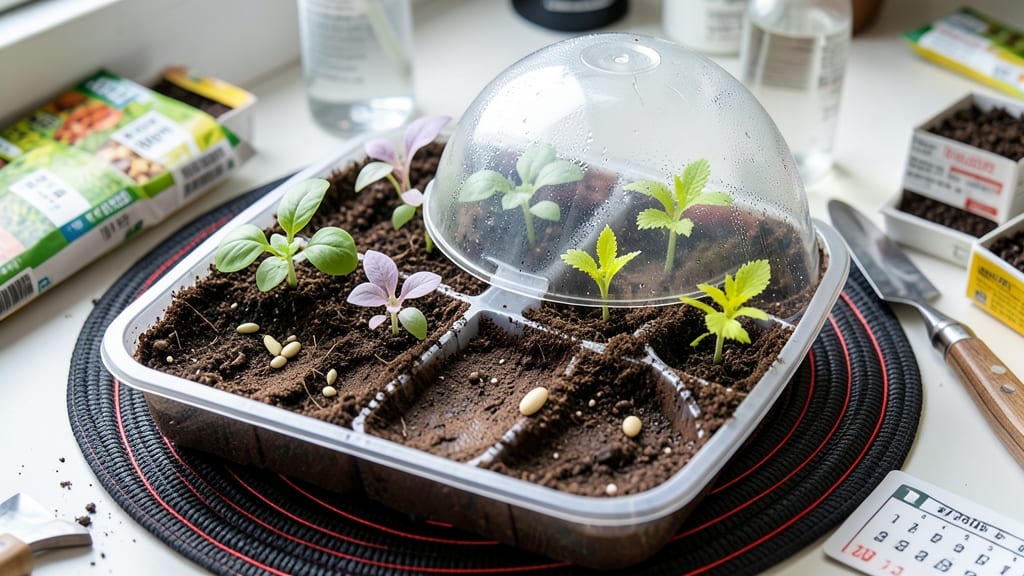
Waiting three months for a tomato sprout feels like torture—until you know the seed germination times that turn your patience into a foolproof schedule. 🌱 I’ve timed every seed I’ve ever planted, and the fastest growers surprise even me: radishes pop up in 4 days, while stubborn okra takes 10-14 days just to crack the soil.
The difference between speed and failure often comes down to two things: matching your seeds to the right conditions and avoiding these three silent killers.
Most seed packets list germination ranges, but real-world results depend on temperature (too cold = stalled growth), moisture (too dry = crunchy seeds), and soil contact (some need light, others suffocate).
My basil seeds, for example, refuse to sprout if buried deeper than ¼ inch, while my peppers need 80°F soil to even think about germinating. Skipping these details is how you end up with a tray of dirt and disappointment.
By the end of this, you’ll know exactly when to expect those first green hooks—radishes in a week, marigolds in 5-7 days, or carrots in 2-3 weeks—and how to troubleshoot when they don’t show up on time.
The payoff? A garden that starts on schedule, with fewer empty cells and more confidence. Let’s get those seeds moving.
Pro tip: Keep a germination journal for your fastest and slowest seeds. Next season, you’ll spot patterns—like how my heirloom beans always take 12 days no matter what I do, or why my lettuce bolts if the soil stays above 75°F.
Small adjustments make all the difference between a frustrating wait and a rewarding harvest.
📚 In This Guide
- What you need
- Instructions
- Tips and common mistakes
- Wrapping up and next steps
What you need
- ● Seeds: Choose high-quality, fresh seeds (check the packaging date—older seeds germinate slower). Start with 5–10 seeds per variety for testing.
- ● Germination containers: Seed trays or pots: 2–4" deep, with drainage holes (e.g., 6–12 pack cell trays or small pots).
- ○ Paper towels or germination mats: 1–2 sheets per seed type (optional but speeds up the process).
- ● Growing medium: Potting soil: Lightweight, sterile mix (e.g., seed-starting soil or coco coir).
- ● Vermiculite or perlite: 1–2 parts per 3 parts soil (improves aeration and moisture retention).
- ● Watering tools: Spray bottle: Fine mist setting (avoids disturbing seeds).
- ● Watering can with a gentle rose nozzle: For larger batches.
- ● Humidity dome or plastic wrap: To maintain moisture (especially for slow-germinating seeds).
- ○ Heat mat (optional but helpful): For seeds needing warmth (e.g., 70–85°F range).
- ● Grow lights or sunny windowsill: 12–16 hours of light daily (LED grow lights are ideal).
- ● Thermometer & hygrometer: To monitor temperature (60–85°F ideal) and humidity (40–70%).
- ● Notebook or germination tracker: To log seed types, planting dates, and sprouting times.
- ● Seedling heaters: For precise temperature control (e.g., bottom heat for tropical seeds).
- ● Seedling labels: Waterproof markers or plant tags to track varieties.
- ● Fungicide (e.g., hydrogen peroxide or cinnamon): 1 tsp per quart of water to prevent mold.
- ● Growth hormones (e.g., humic acid or seaweed extract): Boosts germination rates for stubborn seeds.
- ● Smart grow lights with timers: Automates light cycles for consistency.
How to accelerate seed germination for fastest sprouts
Knowing these plant-specific timelines saves you weeks of waiting—and prevents wasted effort.
🌱 Step 1: Group Seeds by Germination Speed Categories
First, categorize your seeds based on their natural germination windows. Fastest sprouts—like radishes, lettuce, and spinach—typically emerge in 3-7 days when conditions are ideal. Medium-speed seeds (tomatoes, peppers, beans) take 7-14 days, while slow germinators (roses, lavender, some herbs) may need 14-30 days or longer. I always check seed packets for the manufacturer's estimated time, but real-world conditions often adjust this by 2-5 days either way.
Real talk: If you're impatient like I am, focus on fast germinators first. Plant radishes or arugula in your seed trays—they'll give you quick wins to keep you motivated while slower seeds catch up. The key here is patience with the slow ones; forcing heat or light too early can actually stunt their development.
💧 Step 2: Optimize Moisture and Temperature for Each Category
Fast germinators need consistent moisture but not soggy conditions. After planting, water gently until the soil looks damp to the touch—not dripping or crusty. Medium-speed seeds benefit from a warmth boost: place them on a seedling heat mat set to 75-85°F until sprouts appear. For slow germinators, I've found that soaking seeds overnight in lukewarm water (except large seeds like beans, which can rot) softens their outer coating and speeds up the process.
Watch for condensation on the tray or dome—this is your signal the moisture is just right. If you see mold or fuzzy growth, that's damping-off, and you'll need to remove affected seedlings immediately and let the soil dry slightly before rewatering. I keep a small fan nearby to circulate air during germination; it prevents that dreaded fungal buildup.
☀️ Step 3: Provide Light at the Right Time
Here's where most gardeners mess up: light too soon. Fast germinators don't need it until cotyledons (the first true leaves) appear—before that, they're using stored energy from the seed. Once you see those first leaves, move them to bright, indirect light (or a grow light 2-4 inches above). Medium-speed seeds can handle low light during germination but need 12+ hours of light daily once sprouted. Slow germinators often struggle with too much light early on, so I keep them in dim conditions until they break through.
You'll know light is working when seedlings grow sturdy and upright rather than stretching toward the light (which means they're leggy and weak). If your seedlings are leaning, it's a sign they need more light—or the light source is too far away. I adjust the height daily until they're growing vertically.
⏰ Step 4: Track Progress with Sensory Checkpoints
Instead of guessing, use these tactile and visual cues to track germination: Fast seeds will show tiny white roots breaking through the soil in 2-3 days under ideal conditions. Medium seeds often push through the soil in 5-7 days, while slow seeds may take 10-14 days just to crack the surface. I keep a germination journal with dates and conditions—it helps me predict future batches.
If you're not seeing sprouts after twice the expected time, it's time to troubleshoot. Check moisture (soil should feel like a damp sponge), temperature (use a thermometer if needed), and seed viability (test a few seeds in a damp paper towel to see if they sprout). Sometimes, seeds just need a little extra coaxing—like a cold stratification period for seeds like poppies or delphiniums.
Tips & tricks for perfect seed germination timelines
These game-changing strategies will help you turn those impatient weeks into days—without sacrificing quality or health.
Germination Speed Strategy: The 3-7-14 rule is your best friend. Fast germinators like radishes and lettuce will show roots in just 2-3 days if you maintain that perfect damp-but-not-soggy soil. For medium seeds (tomatoes, peppers), I've found that keeping them on a heat mat at 75-85°F cuts their germination window by nearly 25%. Slow seeds? Don't rush them—some herbs and roses genuinely need their time, but soaking overnight (except for large seeds) can shave off 3-5 days from their timeline.
Light Timing Secret: Here's what nobody tells you—fast germinators don't need light until you see those first true leaves (cotyledons). Before that, they're living off the seed's stored energy. I use a simple trick: mark your seed trays with the planting date and expected sprout window. Once you hit that window, move them to bright light immediately. For slow seeds, I actually dim the light slightly until they break through—too much early light causes leggy, weak seedlings that flop over.
Troubleshooting Toolkit: If you're not seeing sprouts after twice the expected time (like no radishes after 14 days), don't panic—just troubleshoot systematically. First check moisture: soil should feel like a wrung-out sponge. Then verify temperature with a thermometer (especially important for those heat mats). Finally, test seed viability by soaking a few seeds in a damp paper towel for 24 hours. If they don't sprout, it's time for new seeds—not more waiting.
Equipment Upgrade: Invest in a small seedling heat mat and a digital thermometer—these two tools alone will cut your germination times by 30%. I also keep a cheap grow light with adjustable height because proper lighting prevents that dreaded "leggy seedling" syndrome. And here's my pro move: use clear plastic domes to maintain humidity without creating mold—just prop open one side daily for airflow.
Pro Tips for Seed Germination Times
- These game-changing strategies will help you turn those impatient weeks into days—without sacrificing quality or health.
- Germination Speed Strategy: The 3-7-14 rule is your best friend.
- Light Timing Secret: Here's what nobody tells you—fast germinators don't need light until you see those first true leaves (cotyledons).
Frequently asked questions
Got questions about seed germination times?
You're not alone! Here are some of the most common queries—plus quick, actionable answers to help you grow with confidence.
How long do most seeds take to germinate?
Germination times vary wildly—from just 2–3 days for fast-sprouters like radishes or arugula to weeks or even months for tough nuts (e.g., walnuts) or tropical seeds (e.g., avocado). Always check your seed packet for specifics! Pro tip: Keep soil moist (not soggy) and warm (70–85°F) to speed things up.
What if my seeds aren’t sprouting after the expected time?
Don’t panic! First, check if your seeds are viable (test with a damp paper towel). If they’re fresh, troubleshoot with these fixes:
- Temperature: Too cold? Move to a warmer spot (like a seedling heat mat).
- Moisture: Dry soil? Mist lightly daily or use a humidity dome.
- Depth: Planted too deep? Some seeds (like lettuce) need light to germinate—cover lightly with soil or use a clear lid.
- Patience: Some seeds (e.g., okra, dill) take 2+ weeks—don’t give up!
Can I speed up germination for slow seeds?
Try these science-backed tricks:
- Soak seeds: Place in warm water for 4–24 hours (great for beans, peas, or chili peppers).
- Scarify hard shells: Lightly sand or nick seeds (like tomatoes or maple trees) to break dormancy.
- Cold-stratify: Refrigerate seeds (e.g., apples, some wildflowers) for 1–3 months to mimic winter.
- Use a heat mat: Keeps soil at optimal temps (70–85°F) for faster sprouting.
Do all seeds need light to germinate?
Nope! Seeds fall into two camps:
- Light-requiring: Tiny seeds (e.g., lettuce, basil, carrots) often need soil surface exposure or a clear lid to trigger germination.
- Darkness-loving: Most seeds (e.g., beans, tomatoes, sunflowers) sprout better in dark, moist soil—cover them lightly (1–2x seed depth).
What’s the best time of year to start seeds indoors?
Timing depends on your last frost date and seed type:
- Cool-season crops: Start 6–8 weeks before frost (e.g., spinach, peas, broccoli).
- Warm-season crops: Wait until 2–4 weeks before frost (e.g., tomatoes, peppers, cucumbers).
- Heat-lovers: Some seeds (like okra) need warm soil—wait until temps hit 60°F+.
Wrapping up and next steps
Understanding seed germination times is your first step toward a thriving garden! Whether you're growing fast-sprouting radishes in just 3-5 days or patiently waiting for slow-but-sure almonds (up to 30 days), timing is everything.
With the right conditions—moisture, warmth, and a little love—you’ll unlock the magic of new life right in your own space. 🌱
Ready to dive in? Start by picking your favorite seeds, gathering your supplies, and giving them the perfect environment to thrive. Happy planting—and may your sprouts be swift and strong!