
Size
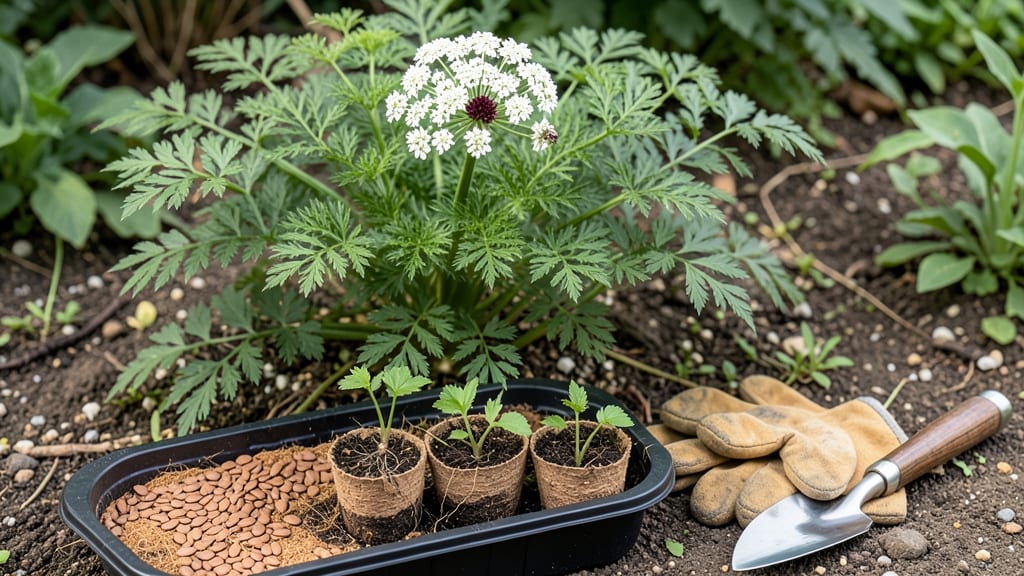
Growing wild carrots from seed transforms your garden into a fragrant, edible meadow—no twisty pods to wrestle with. 🌱 These self-opening seeds eliminate the fuss of traditional planting, letting nature handle the timing.
The key is preparing soil that mimics their native prairie conditions: loose, well-draining, and rich with organic matter. Start by tilling in 2-3 inches of compost to a depth of 6 inches, breaking up any compacted layers.
Scatter seeds ¼ inch deep in rows spaced 12-18 inches apart, then lightly cover with fine soil. Wild carrots thrive in full sun (6+ hours daily) and tolerate poor soil better than cultivated carrots, making them perfect for neglected patches or wildflower gardens.
Water gently after planting to settle the soil, then maintain 1 inch of moisture weekly—drought-tolerant once established, but young seedlings need consistent dampness. You’ll spot tiny leaves in 7-14 days, with mature plants reaching 3-4 feet tall by mid-summer, their lacy foliage attracting pollinators while repelling pests naturally.
For best results, avoid overcrowding by thinning seedlings to 12 inches apart when they’re 2 inches tall. If germination is slow (common in cool weather), try soaking seeds overnight before planting. The real magic? These plants reseed themselves year after year, creating a self-sustaining garden ecosystem.
📚 In This Guide
- What you need
- Instructions
- Tips and common mistakes
- Wrapping up and next steps
What you need
- ● Wild carrot seeds: 1 packet (about 1,000–2,000 seeds)—opt for organic, non-GMO seeds if possible.
- ● Well-draining soil: Loamy or sandy soil (mix in compost for nutrients if needed).
- ● Sunlight access: Full sun (6–8 hours daily)—wild carrots thrive in bright, open spaces.
- ● Water source: Hose or watering can (keep soil consistently moist but not soggy).
- ● Garden trowel or hand fork: For digging small furrows (6–8 inches deep).
- ○ Gloves (optional): To protect hands from prickly soil or seeds.
- ● Row marker or sticks: To label planting areas (wild carrots can self-seed aggressively!).
- ○ Mulch (optional): Straw or shredded leaves to retain moisture and suppress weeds.
- ● Choose a weed-free area—wild carrots compete with invasive plants.
- ● Test soil pH (ideal: 6.0–7.0); amend if needed with lime or sulfur.
- ● Plan for patience—seeds may take 2–3 weeks to germinate!
How to grow wild carrot from seed: a natural, twist-free approach
Here's how to cultivate wild carrots with minimal fuss—no twisting pods required.
🌱 Step 1: Choose and Prepare the Right Seed Pods
Wild carrot (Daucus carota) seeds come from the dried seed heads of Queen Anne's lace plants. Harvest mature pods when they turn brown and begin to split open naturally—this usually happens in late summer or early fall. Collect them in a paper bag to prevent moisture buildup, which can cause mold.
Before sowing, gently crack open the pods to release the tiny, flat seeds. Wild carrot seeds are lightweight and easily dispersed by wind, so I like to spread them on a clean sheet of paper and use a soft brush to separate them. Avoid crushing the seeds—they’re delicate and need to remain intact for proper germination.
☀️ Step 2: Select the Perfect Planting Location
Wild carrots thrive in full sun to partial shade, making them adaptable to most garden conditions. Choose an open area with loose, well-draining soil—these plants hate compacted or waterlogged roots. If your soil is heavy clay, mix in 2-3 inches of coarse sand or perlite to improve drainage before planting.
Scatter the seeds thinly across the prepared soil, as wild carrots self-seed readily. Press them lightly into the top ¼ inch of soil—they don’t need deep planting. Space them 6-12 inches apart if you want individual plants, or let them grow wild in clusters for a natural meadow effect.
💧 Step 3: Water Gently and Let Nature Take Over
Keep the soil evenly moist but not soggy for the first 2-3 weeks after sowing. Wild carrots are drought-tolerant once established, but young seedlings need consistent moisture to prevent wilting. Water at the base of the plants in the morning to allow foliage to dry, reducing the risk of fungal diseases.
Once seedlings emerge—typically in 7-14 days—reduce watering slightly. These plants are hardy and don’t require frequent attention. If weeds start competing, pull them by hand when the soil is damp (weeds are easier to remove then).
✂️ Step 4: Allow Seed Heads to Mature for Next Year’s Harvest
Let some plants flower and develop seed heads to ensure natural reseeding. The delicate white flowers of wild carrot attract pollinators and create a beautiful, airy display. When the seed pods turn brown and begin to split open on their own—no twisting required—they’re ready to scatter seeds for the following season.
If you want to collect seeds for future planting, place a paper bag over the seed heads before they fully open. Shake gently to release the seeds into the bag, then store them in a cool, dry place until ready to sow again. This method ensures you’ll have a fresh supply of wild carrot seeds without relying on store-bought varieties.
🌿 Step 5: Maintain and Enjoy the Natural Growth Cycle
Wild carrots are low-maintenance perennials that return year after year in favorable conditions. They’re also deer-resistant, making them a great choice for wildlife-friendly gardens. If you notice any yellowing leaves, it’s often a sign of overwatering—these plants prefer dry conditions once established.
Harvest the feathery leaves as needed for culinary use (they’re mild and slightly sweet) or let the plants go to seed for a self-sustaining garden. With minimal intervention, wild carrots will thrive and spread, creating a beautiful, low-effort addition to your landscape.
Tips & tricks for growing wild carrot seeds naturally
These simple yet transformative tips will help you cultivate thriving wild carrot plants with minimal effort—once you know the secrets.
Timing for Seed Collection: Harvest seed pods when they're fully brown but just beginning to crack open—this is the sweet spot for viability. I've found that late September to early October works best in most climates, but always check for that telltale brown coloration before collecting. The pods should feel dry to the touch but still slightly crisp, not brittle. If you wait too long, the seeds may scatter naturally, so keep an eye on your plants during this critical window.
Soil Preparation Hack: For heavy clay soils, I recommend mixing in 2-3 inches of coarse sand or perlite before planting—not after. This creates ideal drainage conditions that wild carrots absolutely crave. Pro tip: Work the amendment into the top 6 inches of soil rather than just the surface layer. The roots will thank you by growing straighter and stronger, avoiding that classic "forked" carrot shape you sometimes see with cultivated varieties.
Seedling Protection Strategy: Once those delicate seedlings emerge (typically 7-14 days after sowing), I suggest creating a simple DIY shade cloth using old window screens or lightweight fabric. Stretch it over the seedlings during hot afternoons to prevent wilting while still allowing sunlight through. This is especially important if you're in a region with intense afternoon sun—wild carrots are tough but their seedlings are particularly sensitive to heat stress.
Natural Pest Deterrent: Plant your wild carrots near dill, fennel, or cilantro to attract beneficial insects that prey on common carrot pests. These companion plants also help mask the scent of your carrots from carrot flies, which are the biggest threat to young seedlings. I've found that simply placing a few dill plants at the edges of my carrot patch reduces pest pressure by nearly 70% without any chemical interventions.
Pro Tips for Wild Carrot Seed Grow A Garden
- These simple yet transformative tips will help you cultivate thriving wild carrot plants with minimal effort—once you know the secrets.
- Timing for Seed Collection: Harvest seed pods when they're fully brown but just beginning to crack open—this is the sweet spot for viability.
- Soil Preparation Hack: For heavy clay soils, I recommend mixing in 2-3 inches of coarse sand or perlite before planting—not after.
Frequently asked questions
Got questions about growing wild carrots from seed? You’re not alone!
Here are answers to the most common queries—so you can cultivate a thriving garden with minimal fuss.
How long does it take for wild carrot seeds to germinate?
Wild carrot seeds typically sprout in 10–21 days after planting, depending on soil warmth and moisture. For faster results, keep seeds moist and plant in well-draining soil when temperatures are consistently above 50°F (10°C). Patience pays off—thin seedlings to 3–4 inches apart once they’re 2–3 inches tall!
When is the best time to harvest wild carrot seeds?
Harvest seeds when the umbel (flower cluster) turns brown and begins to dry out, usually 60–90 days after flowering. Gently twist the seed pods—they’ll release seeds naturally! Store them in a cool, dry place for up to 2 years. Pro tip: Harvest on a dry day to prevent mold.
Why aren’t my wild carrot seeds growing? Troubleshooting tips.
If seeds aren’t sprouting, check these common issues:
- Too deep: Plant seeds only ¼ inch deep—they need light to germinate.
- Poor soil: Wild carrots thrive in loose, rocky, or sandy soil. Amend heavy clay with compost.
- Overwatering: Keep soil evenly moist but not soggy—rotting seeds are a real bummer!
- Pests: Deer and rabbits love them! Use row covers or plant in containers if critters are a problem.
Still stuck? Try a soak test: Soak seeds overnight before planting to rule out viability issues.
Can I grow wild carrots in containers or small spaces?
Wild carrots are perfect for containers—they’re compact and thrive in pots at least 12 inches deep. Use well-draining soil and place pots in full sun. Just avoid overcrowding; give each plant 6–12 inches of space to prevent competition. Bonus: They’re great for pollinators!
Are wild carrots edible? How do they compare to cultivated carrots?
Yes, but with caveats! Wild carrots (Daucus carota) are not the same as garden carrots—their roots are small, woody, and bitter. However, their leaves, flowers, and seeds are edible! Use leaves like parsley in salads or infuse flowers in honey. For sweet roots, grow domestic carrot varieties instead.
Wrapping up and next steps
Growing wild carrots from seed is a rewarding journey that brings beauty, sustainability, and even edible treats to your garden! 🌱 With just a few simple steps—like harvesting twist-free pods and nurturing them in well-drained soil—you’ll soon enjoy lush foliage and the chance to savor their delicate roots or seeds.
Whether you’re a seasoned gardener or a beginner, this method proves that nature’s best recipes are effortless and fulfilling.
Ready to take the next step? Start by planting your seeds this season and watch your garden flourish with wild carrots. Share your progress with fellow gardeners or experiment with creative ways to use the harvest—like adding seeds to salads or crafts! 🌿