
Propagation
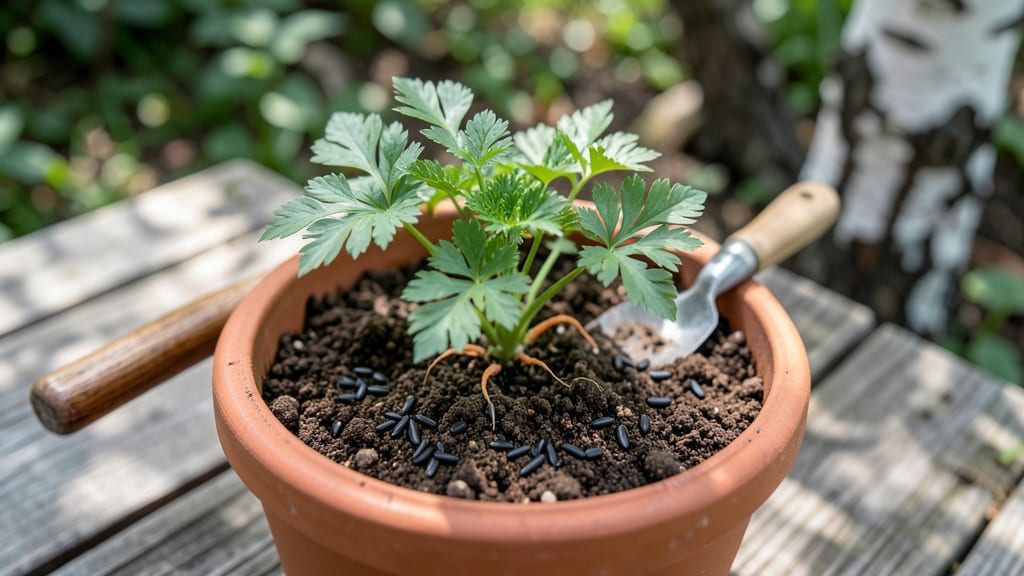
Growing carrots from seed in pots means no more crowded roots or forked messes—just crisp, perfect harvests straight from your balcony or windowsill. 🌱 I learned the hard way that shallow containers and packed soil turn carrots into gnarled oddities, but the right setup delivers restaurant-quality roots in just 70-80 days.
The secret starts with deep pots—at least 12 inches tall—and loose, stone-free soil. Carrot seeds are tiny, so don’t overplant; scatter them thinly and keep them moist until sprouts appear.
A sunny spot (6+ hours daily) and consistent watering prevent forking, while a mesh cover speeds up germination in cool weather.
By midsummer, you’ll be pulling 1-inch-thick carrots with smooth skins and sweet flavor, all without bending over a garden bed. The best part? No weeding, no pests digging them up, and no wasted space—just neat rows of edible rewards in containers as small as 6 inches wide.
Works for any variety—Danvers, Nantes, or rainbow carrots—so long as you avoid rocky soil and give them room to grow. Here’s how to set it up right the first time, with troubleshooting for when things go sideways (because even pros get forks sometimes).
📚 In This Guide
- What you need
- Instructions
- Tips and common mistakes
- Wrapping up and next steps
What you need
- ● Carrot seeds: Choose short, round varieties (e.g., 'Paris Market,' 'Little Finger,' or 'Short 'n' Sweet') for pots—avoid long heirlooms! Aim for 1–2 grams of seed (about 20–30 seeds) per 12-inch pot.
- ● Containers: Pots with a depth of at least 10–12 inches (deeper = straighter carrots!). Use 5–6 pots for a small harvest (e.g., 12-inch pots for 3–4 carrots each). Ensure pots have drainage holes!
- ● Potting mix: A light, well-draining blend (e.g., 60% peat/coir, 30% perlite/vermiculite, 10% compost). Avoid garden soil—it’s too dense for pot-grown carrots!
- ● Water: A spray bottle or watering can with a fine rose to avoid disturbing seeds.
- ● Fertilizer: A balanced, water-soluble fertilizer (e.g., 10-10-10) or compost tea for gentle nutrition.
- ○ Optional: A seedling tray or biodegradable pots for early germination (transplant later).
- ● Grow lights (if starting indoors before last frost).
- ● Plant labels and a pencil to track varieties.
- ● Mulch (e.g., straw) to retain moisture and deter weeds.
- ● Hand trowel for gentle soil adjustments.
Step-by-step instructions for growing carrots from seed in pots
Here's how to grow perfectly straight, crowd-free carrots in containers—no digging required.
🪴 Step 1: Choose the Right Containers and Soil Mix
You'll need at least 12-inch deep pots for full-sized carrots—shallower containers only grow stunted roots. I use long, narrow containers like window boxes or deep grow bags to give roots room to stretch. Fill with a loose, sandy seed-starting mix—never garden soil, which compacts and causes forking.
Tap the container gently to settle the soil without compacting it. The mix should feel like damp sand when squeezed—if it clumps, add more perlite or coarse sand to improve drainage. For four plants, you'll need about 2 gallons of mix per container. Leave 1 inch of space at the top to avoid spilling when watering.
🌱 Step 2: Sow Seeds Properly for Straight Growth
Scatter seeds thinly across the soil surface—don't press them in. Carrot seeds are tiny, so I use a toothpick to space them 1 inch apart in rows. Cover them with just ¼ inch of fine soil or sand; deeper planting delays germination. Mist the surface lightly until evenly moist, but don't soak it.
Here's the trick: keep seeds evenly spaced. Crowding leads to twisted, misshapen roots. If you're planting four containers, divide your packet evenly—most carrot seeds germinate at 15-30% viability, so sow extra to ensure enough plants. Place containers in a warm spot (60-70°F) for 7-14 days until sprouts appear.
☀️ Step 3: Provide Consistent Moisture and Light
Once seedlings emerge, move pots to full sun (6+ hours daily). Carrots need steady moisture—water when the top inch of soil feels dry, but avoid soggy soil. I use a watering can with a gentle spray to prevent dislodging seedlings. Let excess water drain completely; carrots rot in wet conditions.
Thin seedlings to 2-3 inches apart when they're 2 inches tall. Use scissors to snip unwanted plants at soil level—pulling risks disturbing roots. This spacing gives carrots room to grow straight. If leaves yellow, they need more water; if they wilt in heat, provide afternoon shade until they adjust.
✂️ Step 4: Monitor Growth and Harvest at Peak
Check root depth weekly by gently brushing soil away from one plant. Carrots are ready when they reach ½ their mature size (about 6-8 weeks for short varieties). For full-sized carrots, wait until shoulders appear at the soil line. Harvest on a dry day to prevent dirt from sticking.
Twist gently to loosen, then pull upward—resist if soil clings. If roots fork or split, you'll need deeper containers next time. Store harvested carrots in a cool, dark place for 2-3 weeks. I save seeds from the best-looking carrots for next year's planting.
Tips & tricks for perfect container-grown carrots
Here's what nobody tells you about growing carrots in pots—these tricks prevent the most common mistakes and help you grow perfect, straight roots every time.
Container Depth Matters: That 12-inch depth isn't just a suggestion—it's non-negotiable for full-sized carrots. I've tried shallower pots, and while they work for baby carrots, you'll end up with stunted roots that never reach their full potential. If you're short on space, opt for shorter varieties like 'Paris Market' or 'Little Finger' that thrive in 8-inch containers.
Soil Texture is Everything: The secret to straight carrots lies in that loose, sandy seed-starting mix. I mix my own using 50% seed-starting mix, 30% perlite, and 20% coarse sand to create the perfect fluffy texture. If your mix feels compacted after settling, add more perlite—this prevents the classic forked carrot problem by letting roots grow downward without resistance.
Germination Timing: Don't be surprised if it takes 7-14 days for those tiny seeds to sprout—carrot seeds are notoriously slow. To speed things up slightly, place containers in a warm spot (I use my seedling heat mat set to 70°F) and keep the soil consistently moist but not soggy. Once sprouts appear, move them to full sun immediately—they need that light to prevent leggy growth.
Thinning Without Disturbing Roots: When it's time to thin to 2-3 inches apart, use sharp scissors to snip unwanted seedlings at soil level instead of pulling them. This prevents disturbing the roots of your remaining plants, which can cause them to fork. I also like to thin in stages—first when they're 1 inch tall, then again at 2 inches—to give the plants gradual space to develop.
Pro Tips for Growing Carrots From Seed In Pots
- Here's what nobody tells you about growing carrots in pots—these tricks prevent the most common mistakes and help you...
- Container Depth Matters: That 12-inch depth isn't just a suggestion—it's non-negotiable for full-sized carrots. I've ...
- Soil Texture is Everything: The secret to straight carrots lies in that loose, sandy seed-starting mix. I mix my own ...
Frequently asked questions
Got questions about growing carrots in pots? You’re not alone! Here are answers to the most common concerns—so you can grow perfect, straight roots with confidence.
Can I grow carrots in any pot, or do they need something special?
Carrots need deep pots (at least 12 inches tall) with good drainage. Shallow containers will stunt root growth, while wide, shallow pots may produce forked or twisted carrots. Opt for cylindrical or deep square pots (like fabric grow bags) to encourage straight roots. Avoid plastic if possible—terracotta or fabric breathes better.
How long does it take for carrot seeds to germinate in pots?
Carrot seeds are slow starters! Germination can take 2–4 weeks in ideal conditions (warm soil, 70–75°F, and consistent moisture). Keep seeds moist but not soggy—use a spray bottle to avoid washing them away. Pro tip: Soak seeds in water for 24 hours before planting to speed things up!
Why are my carrot seedlings leggy or weak?
Leggy seedlings usually mean too much light or uneven watering. If your pots are near a sunny window, rotate them daily for even growth. Use a grow light 12–14 hours/day if natural light is weak. Thin seedlings to 2 inches apart once they sprout two true leaves—crowding stresses them out.
Can I replant carrot seeds if they don’t all sprout at once?
Carrots thrive with successive planting. Sow new seeds every 2–3 weeks for a continuous harvest. Just mark the pot with a popsicle stick or label to track planting dates. Bonus: This extends your harvest season and prevents pests from wiping out all your plants at once.
Are pot-grown carrots as sweet or flavorful as garden carrots?
Yes! Pot-grown carrots can be just as sweet—if you give them enough space and sunlight. Smaller varieties (like ‘Paris Market’ or ‘Little Finger’) often taste even sweeter because they mature faster. For maximum flavor, let them grow until the tops are ½-inch thick, then harvest on a cool, sunny morning.
Wrapping up and next steps
Growing carrots from seed in pots is a rewarding way to enjoy fresh, homegrown produce—even with limited space! With the right containers, soil, and care, you’ll harvest sweet, straight roots without the hassle of a full garden. 🌱
Now that you’re ready to start, why not expand your container gardening skills? Try growing other root veggies like radishes or beets next—each brings its own fun challenges and tasty rewards. Happy planting! 🌟