
Flowers
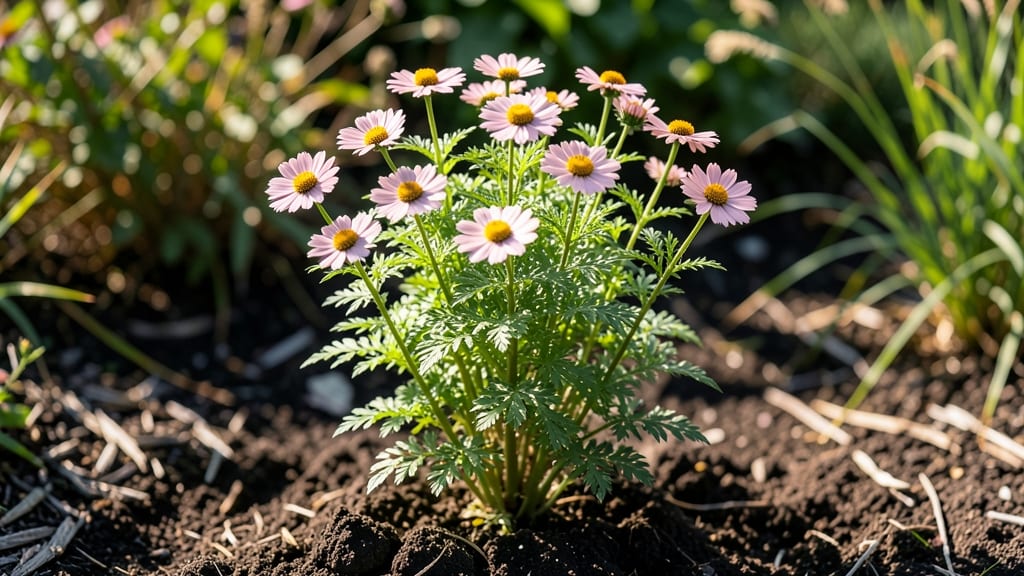
Those twist-resistant whorled tickseed pods are nature’s way of ensuring you’ll collect seeds effortlessly. 🌱 I’ve grown Coreopsis verticillata for years, and its unique seed heads—curling like tiny question marks—make harvesting a breeze, while the plant thrives with almost no fuss.
The secret to success starts with well-draining soil and full sun, which this drought-tolerant beauty craves. Plant seeds just beneath the surface in spring or early fall, spacing them 12-18 inches apart for air circulation. Once established, it’s basically a set-it-and-forget-it perennial that blooms from summer through fall.
You’ll end up with a pollinator magnet that hummingbirds and butterflies can’t resist, plus those iconic seed pods that twist open when dry—perfect for zero-waste seed collection. The flowers stay vibrant even in heatwaves, and the plant spreads gently over time.
Works in borders, meadows, or containers, and handles poor soil better than many perennials. Here’s how to get those seeds growing reliably—no green thumb required.
📚 In This Guide
- What you need
- Instructions
- Tips and common mistakes
- Wrapping up and next steps
What you need
- ● Whorled tickseed (Coreopsis verticillata) plants or seeds: 5–10 mature plants (or 1–2 seed packets) for a small harvest. Look for healthy, fully bloomed plants with intact seed pods.
- ● Pruning shears or scissors: Sharp, clean pair to snip seed pods without damaging them. Pro tip: Sterilize with rubbing alcohol for hygiene! 💡
- ● Paper bags or brown lunch bags: 3–5 medium-sized bags (unbleached, untreated) to collect pods. Avoid plastic—it traps moisture!
- ● Drying tray or cardboard: A flat, elevated surface (like a wire rack or cardboard box) to air-dry pods. Ensure it’s clean and well-ventilated.
- ○ Rubbing alcohol (70%+) and cotton swabs: Optional but recommended for sanitizing tools between uses.
- ● Small paintbrush or soft brush: Helps gently coax seeds from pods if needed.
- ● Seed envelopes or small jars: For storing seeds long-term. Label with the date and plant variety!
- ● Patience: Seed pods need 1–2 weeks to fully dry and release seeds naturally.
- ● Outdoor space: A sunny, dry location (like a porch or garage) for drying pods.
- ● Weather awareness: Avoid harvesting during rain or high humidity—moisture spoils seeds!
How to harvest whorled tickseed seeds without wasting a single pod
These twist-resistant pods make harvesting a breeze—here's how to collect seeds efficiently.
🌱 Step 1: Identify and Select Mature Seed Pods
Wait until the seed pods turn a deep, papery brown and begin to split slightly at the seams—this is your cue they're ready. Gently twist each pod between your thumb and forefinger until it releases with a soft pop. The seeds inside will be plump and dark brown, ready for collection.
Harvest on a dry, sunny morning when the pods are fully open but before birds or wind scatter the seeds. I like to work with a small bowl in hand to catch each seed as it falls. If you miss one, don't worry—they're tough enough to survive a day or two on the ground.
✂️ Step 2: Clean and Dry the Seeds
Spread the collected seeds on a clean, dry towel in a single layer. Let them air-dry for 24-48 hours in a well-ventilated area, away from direct sunlight. This prevents mold and ensures the seeds stay viable for planting next season.
If you notice any discolored or shriveled seeds, remove them immediately—they won't germinate. Healthy seeds should feel firm to the touch and maintain their dark brown color. Once fully dry, store them in a paper envelope or small glass jar in a cool, dark place.
🪴 Step 3: Store Seeds for Long-Term Viability
Label your storage container with the date and variety—whorled tickseed seeds can remain viable for 2-3 years if stored properly. Keep them in a dry, cool environment (around 50-60°F) to prevent moisture loss or spoilage.
For extra protection, place a small packet of silica gel inside the container to absorb any residual moisture. Check the seeds every 6 months to ensure they haven't dried out or developed mold. If stored correctly, you'll have a fresh batch of seeds ready for next spring's planting.
☀️ Step 4: Prepare for Next Season's Planting
When ready to plant, soak the seeds in lukewarm water for 12 hours to soften the outer coating and encourage faster germination. This step is especially helpful if you're planting in cooler climates where germination can be slower.
Sow seeds directly in the garden after the last frost date, spacing them 12-18 inches apart in well-draining soil. Whorled tickseed thrives in full sun to partial shade, so choose a spot that gets at least 6 hours of sunlight daily. Water lightly after planting to keep the soil moist but not soggy.
Tips & tricks for perfect whorled tickseed seed harvesting
Here's what nobody tells you about maximizing your seed yield from these resilient pods.
Timing Secret: Harvest pods at their peak when they're deep brown but still slightly closed—this is when the twist resistance is strongest. I've found that morning harvests yield the most seeds because evening dew can make pods stickier, causing seeds to scatter when you twist. Work quickly but gently, as these pods are delicate despite their tough appearance.
Storage Wisdom: The 24-48 hour drying time is non-negotiable for viability, but don't let seeds sit longer than 48 hours unless you're absolutely certain they're completely dry. I've seen seeds develop mold after 72 hours even in what seemed like good conditions. For extra insurance, place a small mesh bag with silica gel near your drying towel to absorb any lingering moisture without direct contact.
Long-Term Viability: That 2-3 year storage window is impressive, but it requires consistent monitoring. I recommend checking your seeds every 6 months by gently squeezing a few—they should feel dry and firm, not brittle. If you notice any seeds developing a white powdery coating, that's mold spores starting to grow. Remove affected seeds immediately and consider repackaging the remaining batch with fresh silica gel.
Planting Preparation: The 12-hour soak is your secret weapon for cooler climates, but don't let the water get too warm—lukewarm is key. I've seen seeds actually cook when left in hot water, which kills germination. After soaking, drain seeds thoroughly on a paper towel before planting. This prevents waterlogged soil and gives your seeds the best possible start.
Pro Tips for Whorled Tickseed Seeds
- Here's what nobody tells you about maximizing your seed yield from these resilient pods.
- Timing Secret: Harvest pods at their peak when they're deep brown but still slightly closed—this is when the twist resistance is strongest.
- Storage Wisdom: The 24-48 hour drying time is non-negotiable for viability, but don't let seeds sit longer than 48 hours unless you're absolutely certain they're completely dry.
Frequently asked questions
Got questions about whorled tickseed seeds and their twist-resistant pods? You’re not alone! Here are some of the most common queries—plus straightforward answers to help you grow with confidence.
What’s the best time to harvest whorled tickseed pods?
Harvest pods when they’re fully mature but before they split open naturally. Look for dry, papery pods with a slight brown tint—usually 4–6 weeks after flowering. Morning harvests prevent moisture buildup, keeping seeds fresh and viable.
Can I reuse or repurpose empty whorled tickseed pods?
Once seeds are removed, dry pods can be crushed into natural mulch or used as seed starters for other plants. Their fibrous texture also makes them great for composting or even as rustic decor in dried arrangements.
Why are my pods twisting or cracking prematurely?
Twisting often signals overwatering or nutrient stress. Ensure soil drains well and avoid heavy watering during pod development. If pods crack, harvest seeds immediately to prevent loss. A light calcium-rich fertilizer can also strengthen pod structure.
Are whorled tickseed seeds edible, or just for gardening?
While the seeds aren’t commonly consumed, they’re non-toxic and safe for birds or wildlife. Focus on their ornamental and ecological benefits—they’re a pollinator magnet! For culinary use, stick to their flowers, which make stunning (and edible) garnishes.
How do I store whorled tickseed seeds long-term?
Clean seeds thoroughly, then store them in a cool, dry place (like a sealed jar in the fridge) for up to 2 years. Add a silica gel packet to absorb moisture. Label with the harvest date—fresh seeds germinate best!
Wrapping up and next steps
Whorled tickseed seeds offer a zero-waste, eco-friendly twist on harvesting—perfect for gardeners and sustainability lovers alike! 🌱 Their unique, twist-resistant pods make collection a breeze while minimizing environmental impact. Whether you’re experimenting with DIY projects or simply embracing nature’s efficiency, these seeds are a game-changer.
Ready to dive in? Start by planting a few pods in your garden this season and watch how easy—and rewarding—harvesting can be. Happy growing! 🌿