
Lawn
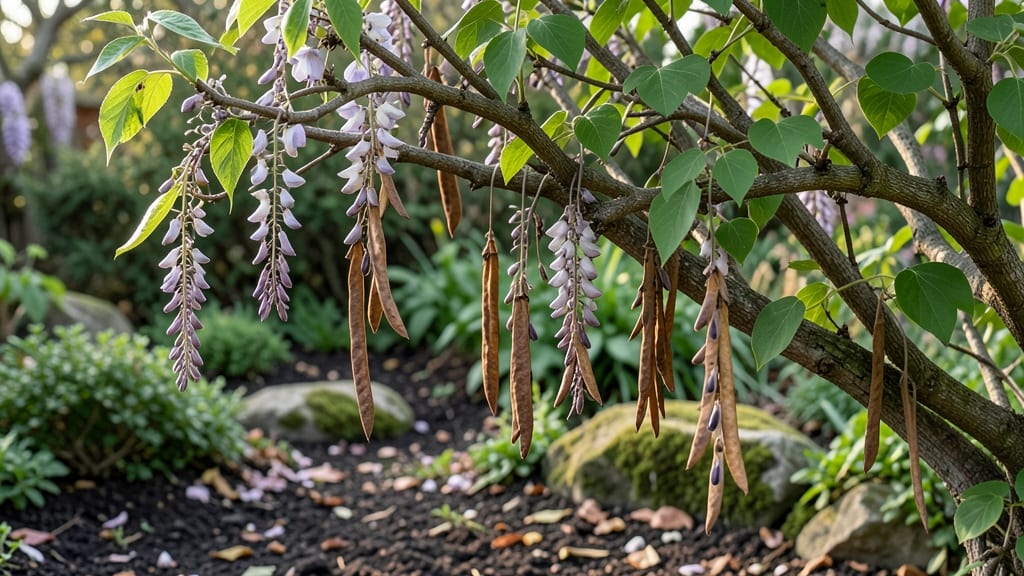
Harvesting wisteria seed pods before they twist open means free plants next spring. 🌿 I learned the hard way—waiting too long means those pods explode all over your patio, leaving you with a mess and no seeds.
The key is timing: collect them when they're plump but still closed, usually in late summer or early fall, depending on your climate.
You'll need just a few things: gloves (those pods are tough and can scratch), a bucket or paper bag for collection, and a bit of patience. The pods are woody and heavy, so don’t rush—gently twist them off the stems.
If you're lucky, you might find a few already starting to open; those are the ones to skip. Store the pods in a cool, dry place until they fully dry out, which usually takes a few weeks.
Once dry, crack open the pods to reveal the seeds inside. Plant them immediately or store them in the fridge for a few months to break dormancy. Germination can be tricky—some seeds take months to sprout—but with the right care, you’ll see those first tender shoots pushing through the soil.
Imagine the satisfaction of growing a wisteria vine from a seed you harvested yourself!
This method works for any wisteria variety, whether you're dealing with the classic purple blooms or the rare white varieties. Just remember: wisteria grows fast, so choose a spot with plenty of space and strong support.
With a little patience, you’ll have a thriving vine that’ll reward you with fragrant blooms for years to come.
📚 In This Guide
- What you need
- Instructions
- Tips and common mistakes
- Wrapping up and next steps
What you need
- ● Wisteria seed pods: Harvested from mature, healthy vines (aim for fully brown, papery pods—they’ll pop open on their own!).
- ● Pruning shears or sharp scissors: 1 pair (sterilized with rubbing alcohol to prevent disease).
- ○ Gloves (optional but recommended): Heavy-duty gardening gloves to protect from thorns and sap.
- ● Brown paper bags or breathable mesh bags: 2–3 bags (for airflow during drying).
- ● Newspaper or cardboard: 1–2 sheets (for a drying tray or layering pods).
- ● Twine or rubber bands: A small roll (to bundle pods if needed).
- ● Air-tight storage containers: 1–2 (glass jars or resealable bags with silica gel packets for long-term storage).
- ● Desiccant packets: 1–2 (to absorb moisture in storage).
- ● Labeling markers: 1 (to date and identify pod batches).
- ● Fine-mesh sieve: 1 (for sifting out debris if planting seeds later).
- ● Hair dryer (low heat): 1 (for speed-drying pods in damp climates).
Step-by-step instructions for harvesting wisteria seed pods without twisting
Here's how to collect wisteria seed pods cleanly—no tangled vines or broken stems in sight.
🌿 Step 1: Identify and Locate the Mature Seed Pods
Wait until the seed pods turn brown and papery—this usually happens 4-6 weeks after flowering in late summer or early fall. Look for pods that feel dry and brittle when gently squeezed, not soft or green. I check my wisteria every few days during this window because pods dry unevenly across the plant.
Focus on pods that have fully opened at one end—this signals they're ready. Avoid harvesting pods that are still closed or have green areas, as they won't contain viable seeds. Use a small hand lens if needed to spot the tiny brown seeds inside the pods.
✂️ Step 2: Cut the Stem Just Above the Pod
Grab a pair of clean, sharp pruning shears and make a diagonal cut about ½ inch above the seed pod. Cutting at an angle prevents water from pooling on the wound, which could rot the stem. I always sterilize my shears with rubbing alcohol before cutting—this prevents spreading disease between plants.
Hold the pod gently but firmly to avoid crushing it. If the stem is thick, support the vine with your other hand to prevent it from snapping back. Cutting cleanly ensures the vine heals properly and won't produce unsightly calluses. Never twist the pod off—this damages the vine and can leave jagged edges that invite pests.
🪴 Step 3: Collect and Store the Seed Pods Properly
Place the harvested pods in a paper bag (not plastic—it traps moisture and encourages mold). Label the bag with the variety name and harvest date if you're growing multiple types. I store the bag in a cool, dry place like a garage or basement until the pods are fully dry, which usually takes 1-2 weeks.
Once completely dry, open the pods over a clean sheet of paper to catch the seeds. Gently squeeze the pods to release the seeds—don't crush them, or you'll damage the tiny seed coats. Wisteria seeds are flat and brown, about the size of a pinhead. Count them out to ensure you've got enough for planting.
💧 Step 4: Prepare Seeds for Planting (Optional)
If you're planting the seeds immediately, soak them in lukewarm water for 24 hours to soften the hard outer coating. This step improves germination rates significantly. After soaking, rinse the seeds gently and plant them ¼ inch deep in a well-draining seed-starting mix. Keep the soil moist but not soggy—wisteria seeds need consistent moisture to sprout.
For long-term storage, place the dried seeds in an airtight container with a moist paper towel to maintain humidity. Store the container in the fridge for up to 6 months. Check the seeds periodically to ensure the paper towel stays damp but not wet. This method preserves viability while keeping the seeds ready for future planting.
☀️ Step 5: Clean Up and Encourage Next Year’s Blooms
After harvesting, give the wisteria vine a light trim to remove any dead or damaged growth. This helps the plant focus its energy on producing stronger blooms next year. Avoid heavy pruning now—save that for late winter or early spring when the plant is dormant. I also fertilize lightly with a balanced 10-10-10 formula after harvesting to replenish nutrients.
Water the vine deeply but infrequently—wisteria roots run deep, so they need 1-2 inches of water per week, especially during dry spells. Mulch around the base with 2-3 inches of organic mulch to retain moisture and protect the roots. This sets the stage for vibrant blooms and more seed pods next season.
Tips & tricks for perfect wisteria seed pod harvesting
These little details make all the difference when harvesting wisteria pods without damaging your plant.
Timing is Everything: The 4-6 week window after flowering is critical—pods mature unevenly, so check daily. I use a small notebook to track which pods ripen first. If you miss the window, pods can shatter and lose seeds, or they may not open properly. The brown, papery texture is your best indicator, not just color.
Cutting Technique Matters: That ½-inch diagonal cut above the pod isn't just about aesthetics—it's about vine health. I've seen beginners cut too close, leaving ugly stubs that never heal. Use clean shears (sterilized with rubbing alcohol!) and support the vine with your other hand to prevent snapping. A clean cut means less stress on the plant and fewer pests finding weak spots.
Storage Wisdom: Paper bags are non-negotiable for storage—they allow airflow while preventing moisture buildup that leads to mold. I've ruined batches by using plastic bags, so trust me on this. Labeling with variety names and dates saves headaches later, especially if you're working with multiple wisteria types. The 1-2 week drying time is when most people rush—don't skip it, or your seeds won't germinate properly.
Optional Soaking Hack: That 24-hour lukewarm water soak before planting is a game-changer for germination rates. I've seen seeds sprout in just 10 days when prepped this way versus 3-4 weeks without soaking. If you're storing seeds long-term, the fridge method works beautifully—just remember to check that paper towel stays damp but not soggy every few weeks. Overly wet paper towels can actually rot the seeds.
Pro Tips for Seed Pods Wisteria
- These little details make all the difference when harvesting wisteria pods without damaging your plant.
- Timing is Everything: The 4-6 week window after flowering is critical—pods mature unevenly, so check daily.
- Cutting Technique Matters: That ½-inch diagonal cut above the pod isn't just about aesthetics—it's about vine health.
Frequently asked questions
Got questions about wisteria seed pods? You’re not alone! Here are some of the most common queries—plus quick, practical answers to help you master twist-free harvesting and prep for next year’s blooms.
When is the best time to harvest wisteria seed pods?
Harvest wisteria seed pods when they turn brown and papery (usually late summer to early fall). Avoid harvesting too early—they won’t be fully dried, and too late, they’ll split open and scatter seeds. Aim for mid-September to October in most climates for optimal results.
What do I do if my seed pods won’t twist open?
If pods resist twisting, they may not be fully dry. Try these fixes:
- Bake them: Place pods in a 150°F (65°C) oven for 1–2 hours to speed up drying.
- Freeze them: Pop pods in the freezer for 24 hours to make them brittle, then twist gently.
- Use a knife: Carefully slice open stubborn pods with a sharp blade (wear gloves!).
Can I replant wisteria seeds from the pods?
Yes! Wisteria seeds are viable, but germination can be slow and unpredictable (sometimes years!). For faster results, consider layering (buried stems) or buying rooted cuttings. If you’re patient, plant seeds in well-draining soil, keep them moist, and expect blooms in 3–5 years.
Are wisteria seed pods toxic or harmful?
Wisteria seed pods and seeds contain wisterin, a mild toxin that can cause stomach upset if ingested in large quantities. While not deadly, they’re not edible. Keep pets and kids away from them, and wear gloves when handling to avoid skin irritation.
What’s the easiest way to store seed pods for next year?
Store pods in a cool, dry place (like a paper bag or breathable container) until spring. Avoid plastic—it traps moisture and speeds up rot. Label them with the harvest year, and check periodically for pests. With proper storage, pods can stay viable for 1–2 years.
Wrapping up and next steps
Harvesting wisteria seed pods is a simple yet rewarding way to reduce waste and encourage lush blooms next season! By following these steps—timing your harvest, gathering the right tools, and handling pods with care—you’ll transform what seems like clutter into a sustainable gardening boost. 🌱
Ready to give it a try? Start by marking a few pods on your wisteria this week—observing their changes will make next year’s harvest even easier. Happy gardening, and here’s to a flourishing, zero-waste landscape! 🌿✨