
Lawn
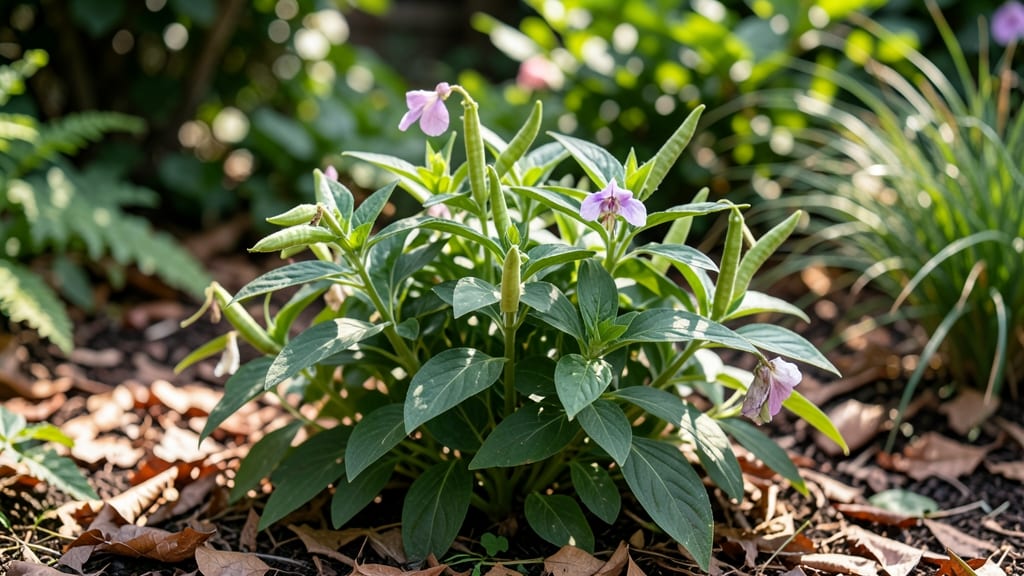
Harvesting impatiens seed pods before they twist and scatter means viable seeds in weeks—not months. 🌱 I’ve watched those familiar pods spiral open like tiny helicopters, sending seeds flying before they’re ready, and I’m sharing the exact method to save them at peak ripeness.
The trick is timing: pods turn from green to a deep reddish-brown when fully mature, but you’ve got to act fast—within 24 hours of that color change. A gentle twist or snip (never yank!) preserves the seeds inside, which look like tiny, dusty orbs clinging to the pod’s interior.
One mature plant yields dozens of seeds, enough to fill a small packet for next year. Once you’ve dried the seeds for a week in a cool, dark spot, germination is shockingly easy—just sprinkle them on damp potting mix and keep them warm.
Within 10-14 days, you’ll see those first delicate seedlings pushing through, ready to bloom next summer. This method works for New Guinea impatiens and classic Busy Lizzie varieties alike, and it’s the secret to avoiding store-bought plants that never match your garden’s colors.
Let’s save those seeds before they take flight!
📚 In This Guide
- What you need
- Instructions
- Tips and common mistakes
- Wrapping up and next steps
What you need
- ● Impatiens plants: Mature plants with fully developed seed pods (typically 4–6 weeks after flowering). Aim for 10–20 pods per batch for best results.
- ● Sharp scissors or pruning shears: Bypass pruners (sterilized with rubbing alcohol) to avoid crushing pods.
- ● Paper bags or breathable mesh bags: 1–2 per plant (labeled with plant variety and date). Avoid plastic—it traps moisture and promotes mold.
- ● Permanent marker: For labeling bags with variety names and harvest dates.
- ● Flat tray or baking sheet: To dry pods indoors (line with paper towels for easy cleanup).
- ● Fine-mesh sieve or colander: For separating seeds from chaff after pods dry.
- ● Small envelopes or seed packets: 1 per variety (or reuse labeled bags) for storage.
- ○ Desiccant packets (optional but helpful): Place 1–2 in storage containers to prevent humidity.
- ● Magnifying glass: For inspecting seed viability (look for plump, firm seeds—shriveled ones won’t sprout).
- ● Humidity monitor: Ideal range for drying pods: 40–50% humidity.
- ● Seed storage containers: Airtight with silica gel for long-term viability (up to 5 years!).
- ● Gloves: If your plants have sticky sap (some varieties do!).
- ● Notebook: Track pod maturity, drying times, and germination rates for future reference.
How to harvest impatiens seeds without twisting the pods
Here's the gentle method I use to collect seeds from impatiens pods without damaging them.
🌱 Step 1: Identify and Wait for Mature Seed Pods
Look for pods that have turned from green to a dry, papery brown—this means they're fully mature and ready for harvesting. Gently squeeze a pod between your fingers; if it crumbles easily, it's time to collect. I always harvest in the morning when the pods are firmest and dew isn't interfering.
Impatiens pods are delicate, so avoid shaking plants or tugging at them. Instead, hold the stem firmly with one hand while examining the pods with the other. This prevents accidental damage to the plant or seeds.
🌿 Step 2: Collect Seeds Without Twisting the Pods
Use a pair of clean, sharp scissors to snip the pod from the stem at its base. Hold the pod over a clean, dry container—like a small paper bag or envelope—to catch the seeds as they release. Never twist or pull the pods, as this can crush the seeds inside or damage the plant's growth.
If the pod is still closed, place it in a dry, warm spot for a day or two. The seeds will naturally release as the pod dries out further. I like to label my collection containers with the impatiens variety and the harvest date for future reference.
💧 Step 3: Dry and Store Seeds Properly
Spread the collected seeds on a clean, dry paper towel in a single layer. Let them dry in a warm, well-ventilated area for 3-5 days, stirring them gently once a day to prevent clumping. The seeds are ready when they feel light and dry to the touch.
Once dry, transfer the seeds to a small envelope or airtight container. Store them in a cool, dark place—like a sealed jar in the refrigerator—where they’ll stay viable for up to 3 years. Label the container with the variety and harvest date to keep track of freshness.
☀️ Step 4: Prepare Seeds for Planting
Before sowing, soak the seeds in lukewarm water for 12-24 hours to soften the outer coating and speed up germination. This step is especially helpful if your seeds are older than a year. After soaking, drain the water and let the seeds sit in a damp paper towel for another 24 hours to encourage swelling.
Plant the seeds 1/8 inch deep in a well-draining seed-starting mix, keeping the soil lightly moist but not soggy. Place the container in a warm spot with bright, indirect light until germination, which typically occurs in 10-14 days. Avoid direct sunlight at this stage, as it can dry out the soil too quickly.
⏰ Step 5: Monitor and Transplant Seedlings
Once seedlings emerge, move them to a location with bright, filtered light to prevent leggy growth. Water gently from the bottom of the pot to avoid disturbing the delicate roots. You'll know they're ready to transplant when they develop 2-3 true leaves, usually after 4-6 weeks of growth.
Hardening off the seedlings is crucial before moving them outdoors. Start by placing them in a shaded, sheltered spot for 1-2 hours the first day, gradually increasing their time outside over 7-10 days. This helps them adjust to outdoor conditions without shock.
Tips & tricks for gentle impatiens seed harvesting
These little details make all the difference when handling delicate impatiens pods—trust me, I've learned the hard way. Here's what nobody tells you about keeping those seeds viable and your plants happy.
Timing Secret: Harvesting in the morning is non-negotiable. The pods are firmest and dew-free, which prevents moisture from causing premature seed release or mold. I've ruined entire batches by harvesting in the afternoon when humidity spikes—don't make my mistake. If you must harvest later, wait until the pods have completely dried overnight.
Tool Tip: That pair of clean, sharp scissors is your best friend. Dull scissors will crush pods and damage stems. I keep a dedicated pair just for seed harvesting, and I always wipe them clean between cuts. For extra-large pods, you can use small pruning shears, but be gentle—they're not as precise as scissors.
Drying Strategy: The 3-5 day drying period is crucial, but don't skip the daily stirring. I place my paper towel with seeds on a mesh screen over a warm (not hot) spot in my kitchen. Stirring prevents clumping and ensures even drying. If your kitchen is particularly humid, consider using a small fan on low setting to circulate air without creating drafts.
Seed Viability Check: Before storing, do this quick test: drop a few seeds on a hard surface from 6 inches up. If they bounce slightly and feel light, they're ready. Heavy seeds mean they need more drying time. I've saved many batches by catching this too-early error before sealing them in storage containers.
Pro Tips for Impatiens Seed Pods
- These little details make all the difference when handling delicate impatiens pods—trust me, I've learned the hard wa...
- Timing Secret: Harvesting in the morning is non-negotiable. The pods are firmest and dew-free, which prevents moistur...
- Tool Tip: That pair of clean, sharp scissors is your best friend. Dull scissors will crush pods and damage stems. I k...
Frequently asked questions
Got questions about harvesting and handling impatiens seed pods? You’re not alone! Here are some of the most common concerns—and their easy solutions.
When are impatiens seed pods ready to harvest?
Harvest seed pods when they’re dry, papery, and turning brown—usually 4–6 weeks after flowering. Avoid picking them too early (they’ll be green and underdeveloped) or too late (they may burst open and scatter seeds prematurely). A gentle twist or pinch is all you need!
Why do my impatiens seed pods keep popping open before I can collect them?
This happens when pods are overripe or disturbed by wind/rain. To prevent it, harvest pods frequently (check weekly) or cover plants with a breathable mesh bag once pods form. If they’ve already burst, scatter the seeds directly into fresh soil—they’ll still germinate!
Can I save seeds from impatiens grown in containers?
Container-grown impatiens produce viable seeds just like garden varieties. Use the same twist-and-pinch method, but ensure containers have good airflow to reduce humidity-related mold. Store seeds in a paper envelope (not plastic) in a cool, dry place for up to 2 years.
How long does it take for saved impatiens seeds to germinate?
Germination usually takes 10–21 days at 65–75°F (18–24°C) with consistent moisture. Keep soil lightly damp (not soggy) and place trays in bright, indirect light. For faster results, stratify seeds (chill for 2 weeks) if your climate is warm.
What if my impatiens seeds don’t sprout? Troubleshooting tips.
Old seeds?
Impatiens seeds lose viability after 2+ years—test a few fresh ones first.
Too deep?
Plant seeds just beneath the soil surface (¼ inch max).
Temperature issues?
Use a seedling heat mat (70°F+ ideal).
Fungal risk?
Disinfect trays with hydrogen peroxide (3%) before sowing.
Still no luck? Try bottom-watering (place trays in shallow water) to encourage consistent moisture without over-saturating.
Wrapping up and next steps
Harvesting impatiens seed pods doesn’t have to be a messy ordeal—with the right techniques, you can collect viable seeds in just weeks! Whether you’re saving seeds for next season or troubleshooting common issues, patience and precision pay off.
Now that you’re equipped with the tools and tips, give it a try—your future impatiens blooms will thank you!
Ready to take the next step? Start with a small batch of seed pods, experiment with the timing, and soon you’ll be a pro at twist-free harvesting. Happy gardening! 🌱