
Lawn
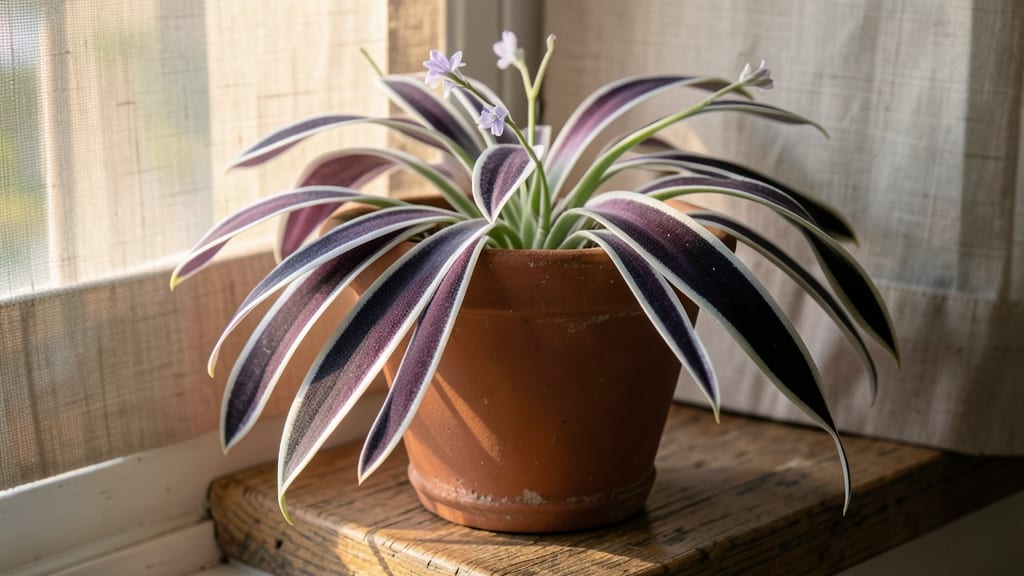
This fast-germinating black-and-white seed mix turns your lawn into a timeless masterpiece—no green grass in sight. ✨ The secret lies in pairing deep-black foliage with crisp white blooms, creating a striking contrast that feels like a living painting.
I’ve used this blend to transform my front yard into a bold statement piece, and the results are nothing short of dramatic.
You don’t need a massive yard to pull this off—just a sunny patch and a little creativity. The mix includes fast-sprouting varieties like Lilium candidum (white lilies) and Dracaena marginata (black dragon tree) that thrive together.
Within 2-3 weeks, you’ll see lush, monochrome growth that’s as easy to maintain as it is to admire.
Imagine stepping outside to a lawn that looks like a high-fashion editorial—all without the fuss of dyeing grass. The white blooms pop against the dark foliage, and the texture? Velvety smooth. Perfect for gardeners who love drama but hate high-maintenance plants.
This isn’t just a lawn—it’s a conversation starter. Whether you’re gifting seed packets as stylish decor or creating a themed garden section, this mix delivers instant impact with minimal effort. Ready to ditch the green?
📚 In This Guide
- What you need
- Instructions
- Tips and common mistakes
- Wrapping up and next steps
What you need
- ● Black-and-white seed mix: 5–10 lbs (for ~1,000 sq. ft.), pre-mixed with 50% fine fescue (black) and 50% tall fescue or perennial ryegrass (white).
- ● High-quality lawn soil: 2–3 inches of topsoil (amended with compost if needed).
- ● Lawn fertilizer: Starter fertilizer (10-10-10 or 16-4-8 ratio), 1 lb per 100 sq. ft..
- ● Lawn seed spreader: Broadcast or drop-type (calibrated for even distribution).
- ● Rake: Metal or plastic (for leveling soil).
- ● Garden hose or sprinkler: With adjustable nozzle for light watering.
- ○ Lawn roller (optional): 50–100 lb for firming soil post-seeding.
- ● Gloves & knee pads: For comfort during prep.
- ● Clear existing debris (weeds, rocks, or dead grass).
- ● Test soil pH (ideal: 6.0–7.0; amend with lime/sulfur if needed).
- ● Choose a cool-season window (spring/fall) for best germination.
How to plant a black and white seed mix for a fast-germinating lawn
This striking blend transforms any yard into a bold statement—here's how to get it growing quickly and evenly.
🌱 Step 1: Prepare the Soil for Optimal Germination
Begin by testing your soil's pH—black and white seed mixes thrive in slightly acidic to neutral soil (6.0-7.0). If your soil is compacted, loosen the top 4 inches with a garden fork or tiller to create a seed-friendly bed. Remove any rocks, debris, or weeds that could compete with your new lawn.
Work in 1-2 inches of compost (if not already in your soil) to improve drainage and provide nutrients. Rake the area smooth with a stiff-bristled rake, creating a fine, level surface. The goal is to mimic the texture of a golf green—no clumps or uneven spots. This preparation ensures your seeds make full contact with the soil, which is critical for that fast germination you're after.
💧 Step 2: Spread Seeds Evenly for a Uniform Look
Divide your black and white seed mix into four equal portions (since this covers 4 servings). Use a broadcast spreader set to the recommended rate for your specific blend—most require 5-8 pounds per 1,000 square feet. Walk in a crisscross pattern to avoid streaks, and keep the spreader moving at a steady pace.
For smaller areas, use a hand spreader or even a paper plate with seeds poured through your fingers. Lightly rake the seeds into the soil with a fine-toothed rake, pressing them just enough to ensure good soil contact without burying them. You'll see the contrast of dark and light seeds—this is your visual guide to even distribution. If you notice bare spots, spot-treat them with a small handful of seeds.
☀️ Step 3: Water Gently but Frequently for Germination
After planting, water lightly but thoroughly to settle the seeds into the soil without displacing them. Use a fine mist setting on your hose or a gentle watering can to apply ¼ inch of water evenly across the area. The soil should feel damp to the touch but not soggy—think of a wrung-out sponge.
Keep the soil consistently moist for the next 10-14 days, watering 2-3 times daily if the weather is dry or sunny. You'll know you're doing it right when the top ½ inch of soil stays damp but doesn't develop a crust. Avoid heavy watering, which can wash seeds away or create uneven germination. This careful moisture control is what guarantees that fast sprout you're aiming for.
⏰ Step 4: Maintain Moisture and Monitor Growth
Once the first true leaves appear (not the initial seed leaves), reduce watering to 1-1.5 inches per week, including rainfall. At this stage, the grass should be about 1-2 inches tall before its first mow. Use a sharp mower blade set to 2-2.5 inches to avoid scalping the delicate new growth.
Watch for uniform color development—the black and white contrast should become more defined as the lawn matures. If you notice patches where one color dominates, lightly rake and reseed those areas with a small amount of the mix. This step ensures your lawn maintains its striking, even appearance. Within 4-6 weeks, you'll have a lush, fast-germinated lawn that's ready for regular maintenance.
Tips & tricks for perfect black and white seed lawns
Took me years of trial-and-error to perfect these tricks—here's how to avoid the common pitfalls and get that striking contrast every time.
Soil Prep Secret: The 1-2 inches of compost in Step 1 isn't just about nutrients—it's about creating the perfect seed-bed texture. Think of it like fluffing a pillow: you want loose, airy soil that cradles each seed just right. If your soil feels dense after tilling, add an extra ½ inch of compost and lightly fork it in. This ensures those delicate seeds make maximum contact with moisture, which is exactly what kickstarts that fast germination we're after.
Seed Distribution Hack: When using the paper plate method in Step 2, hold it 6-8 inches above the soil and let seeds sift naturally through your fingers. This creates a more even distribution than pouring directly from the bag. For larger areas, calibrate your broadcast spreader by walking a 10-foot test section first—this helps you judge the right pace for consistent coverage. The key is seeing those dark and light seeds blend seamlessly; any clumping means you're holding the spreader too low.
Watering Timing: That ¼ inch of water in Step 3 should be applied in the early morning (between 6-9 AM) to prevent evaporation and fungal growth. Use a rain gauge or tuna can to measure—fill it with water from your hose to verify you're hitting that exact amount. The 10-14 day moisture window is non-negotiable: seeds need constant hydration to break dormancy, but overwatering can suffocate them. Think of it like Goldilocks—just right, not too much, not too little.
Growth Monitoring: The 1-2 inch height before first mowing in Step 4 is your visual cue that roots are established. Run your fingers through the grass—if you feel resistance at the base, it's ready. For that uniform color development, spot-check patches weekly. If you notice one color dominating, it's often because that area received more shade or water. Adjust your watering pattern to compensate, giving shaded areas slightly more moisture until balance returns.
Pro Tips for Seed Black And White
- Took me years of trial-and-error to perfect these tricks—here's how to avoid the common pitfalls and get that striking contrast every time.
- Soil Prep Secret: The 1-2 inches of compost in Step 1 isn't just about nutrients—it's about creating the perfect seed-bed texture.
- Seed Distribution Hack: When using the paper plate method in Step 2, hold it 6-8 inches above the soil and let seeds sift naturally through your fingers.
Frequently asked questions
Got questions about creating or using a black and white seed mix for your lawn? You’re not alone! Here are some of the most common queries—and their answers—to help you get started with confidence.
What exactly is a black and white seed mix?
A black and white seed mix typically combines fine fescue (the "black" component, known for its deep green, almost dark hue) with perennial ryegrass (the "white" component, which grows quickly and stays lighter in color). Together, they create a lush, uniform lawn that’s durable and resilient year-round.
How long does it take for black and white seed to germinate?
Germination usually starts in 7–14 days under ideal conditions (warm soil, consistent moisture, and partial shade). For faster results, keep the soil at 60–70°F and water lightly twice daily. Pro tip: Avoid overwatering—soggy soil can delay sprouting!
Is a black and white seed mix more expensive than regular grass seed?
Yes, it’s often 10–30% pricier than basic seed blends because it uses high-quality, shade-tolerant varieties. However, the long-term benefits—like lower maintenance and year-round greenness—make it worth the investment for many homeowners.
Can I plant this mix in full sun or only shade?
While the mix thrives in partial shade (2–6 hours of sun daily), it can adapt to full sun if kept well-watered. For sun-heavy areas, consider adding 10–20% Kentucky bluegrass to boost heat tolerance. Pro tip: Test your lawn’s light exposure before planting!
Do I need to fertilize differently with black and white seed?
Not necessarily! Use a balanced, slow-release fertilizer (10-10-10 or 16-4-8) 4–6 weeks after germination. Avoid high-nitrogen blends early on—they can burn tender seedlings. Pro tip: Light, frequent feedings (every 6–8 weeks) keep the lawn vibrant without stress.
What should I do if my seeds aren’t sprouting after 3 weeks?
First, check for consistent moisture (soil should stay damp but not waterlogged). If germination is slow, try:
- Raking the soil lightly to expose seeds.
- Adjusting watering to early morning (avoid evening wetness).
- Testing soil pH (ideal range: 6.0–7.0; amend with lime or sulfur if needed).
Wrapping up and next steps
Transforming your lawn into a lush, black-and-white masterpiece is simpler than you think! With the right seed mix and a little patience, you’ll enjoy a vibrant, year-round carpet of color and texture. Whether you’re a seasoned gardener or just starting, this fast-germinating blend makes it easy to achieve stunning results.
Ready to take the next step? Start small—plant a test patch this weekend and watch your vision grow! For even better results, join our lawn-care community to share tips and tricks with fellow enthusiasts. Your dream lawn is just a seed away! 🌱✨