
Lawn
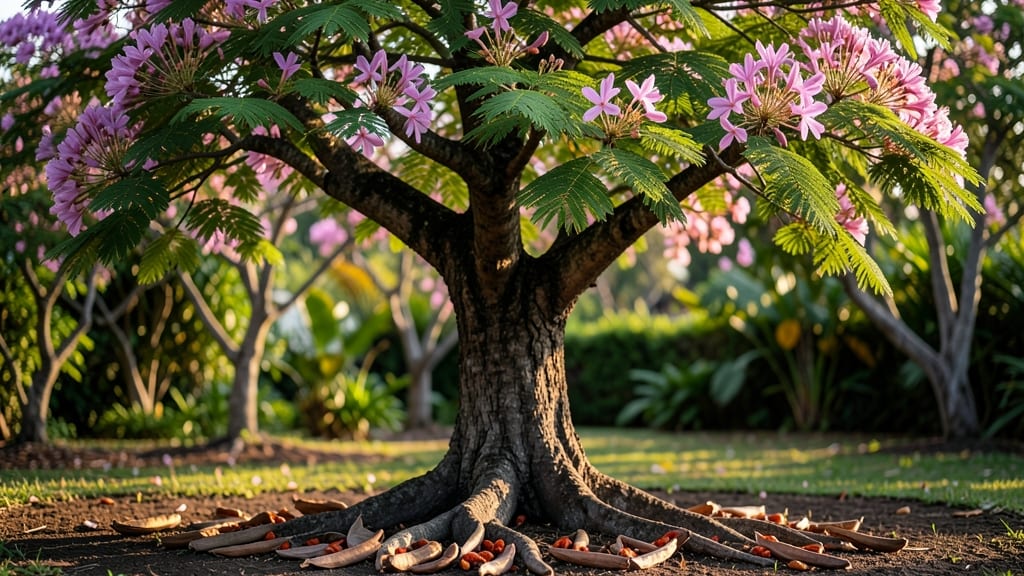
Extracting royal poinciana seeds without twisting the pods is the secret to viable starts. 🌱 These striking, flame-colored trees begin with seeds hidden in tough, fibrous pods that resist easy opening.
I learned the hard way that forcing them can damage the seeds inside—here's how to do it right the first time.
The key is patience and the right tools: a sharp knife, thick gloves, and a sunny work surface. You'll need to carefully slice open the pods lengthwise (never twist) to reveal the flat, dark seeds inside.
Each pod holds 4-6 seeds, and collecting them fresh from the tree in late summer gives you the best chance at germination.
Once extracted, soak the seeds overnight to soften the hard outer shell, then plant them in a well-draining mix of perlite and peat moss. Keep the soil consistently moist and warm (75-85°F) while waiting for sprouts—it can take 4-8 weeks for those first green shoots to appear.
Transplanting is where most beginners stumble, but with proper hardening off (gradual exposure to outdoor conditions), your seedlings will develop the tough roots needed for tropical survival. The payoff? Vibrant orange blooms by year three—if you avoid these common pitfalls along the way.
📚 In This Guide
- What you need
- Instructions
- Tips and common mistakes
- Wrapping up and next steps
What you need
- ● Mature Royal Poinciana seed pods (harvested when fully brown and dry, ~3–4 inches long).
- ● Thick gloves (gardening or work gloves to protect from sharp pod edges).
- ● Sharp pruning shears or small handsaw (for cutting open pods if needed).
- ● Plastic or paper tray (to collect seeds and debris).
- ● Soft-bristle brush or toothbrush (for gently cleaning seeds).
- ● Fine-mesh strainer or sieve (to separate seeds from chaff).
- ● Paper towels or newspaper (for drying seeds).
- ● Small paper bags or envelopes (for seed storage).
- ● Ruler or measuring tape (to check pod maturity, ~3–4 inches).
- ● Water spray bottle (for moistening pods if stubbornly dry).
- ● Seed viability test kit (to check germination rates).
- ● Desiccant packets (for long-term seed storage).
- ● Labeling tags (to track seed batches by harvest date).
- ● Safety goggles (if working with dusty or fibrous pods).
How to extract viable seeds from royal poinciana tree pods
Here's the gentle method I use to crack open those striking red pods without damaging the seeds inside.
🌱 Step 1: Collect and Prepare the Pods
Harvest pods when they've turned completely brown and begin to split open naturally—this usually happens in late fall or winter. Wear gloves; the pods contain a sticky sap that can irritate skin. Place them in a paper bag for 3-5 days to dry out fully. You'll know they're ready when the outer shell feels brittle and cracks easily when squeezed gently.
I like to work with fresh pods in a well-ventilated area. The sap smell is strong at first but fades as they dry. Never use green or partially dried pods—they won't open cleanly and seeds may rot inside.
🪴 Step 2: Crack Open the Pods Safely
Lay a pod flat on a sturdy surface and place a heavy book or rolling pin on top. Gently tap the center seam until you hear a clean crack. The pod should split open naturally along its length—if it shatters, you've dried it too long. Use a butter knife to pry open stubborn sections, working slowly to avoid crushing the seeds inside.
Here's the thing—never force the pod with pliers or heavy tools. The seeds are delicate and bruise easily. You want to expose the seeds without damaging their papery outer coatings. Once open, remove any remaining fibrous material with your fingers, but don't wash the seeds yet.
💧 Step 3: Clean and Prepare Seeds for Storage
Spread the exposed seeds on a clean towel in a single layer. Let them air dry for 24-48 hours in a dry, shaded spot. The papery coating should feel dry to the touch but not brittle. If you see any seeds with dark spots or soft areas, discard them—they won't germinate. Good seeds will be plump and firm with smooth coatings.
Once completely dry, place them in an envelope or small paper bag. Store in a cool, dark place like your refrigerator's crisper drawer. Royal Poinciana seeds stay viable for 1-2 years when stored properly. I label each bag with the collection date—this helps track freshness.
☀️ Step 4: Test Germination Before Planting
Before you commit to planting, test a few seeds to confirm viability. Place 4-5 seeds between damp paper towels in a sealed plastic bag. Keep them in a warm spot (70-75°F) and check daily. You should see sprouts in 10-20 days—if none appear after three weeks, your seeds may have lost viability.
I like to test seeds in batches of 5 to get an accurate read. Healthy seeds will push through their papery skin with a tiny green shoot. Once you confirm germination, you're ready to plant outdoors after your last frost date—these tropical beauties need warm soil to thrive.
⏰ Step 5: Plant Viable Seeds Outdoors
Sow seeds ½ inch deep in well-draining soil after all frost danger has passed. Choose a location with full sun and protection from strong winds. Space seedlings 10-12 feet apart—they'll grow into large trees. Water gently but thoroughly after planting, keeping the soil moist but never soggy for the first 4-6 weeks.
Here's where patience pays off: Royal Poinciana trees grow slowly from seed. You won't see significant height gain for 2-3 years, but the vibrant flowers make every season worth waiting. Mulch around the base to retain moisture and protect young roots from temperature swings.
Tips & tricks for royal poinciana seed extraction
These simple strategies will help you extract seeds without damaging their delicate papery coatings.
Drying Timing: The 3-5 day drying period in Step 1 is crucial—pods need to be fully brittle but not over-dried. Test readiness by gently squeezing a pod; it should crack easily but not crumble. I place mine in a paper bag with a few air holes punched in the sides to allow airflow while containing any sap drips. This prevents moisture buildup that could cause mold while ensuring proper drying.
Pod Opening Technique: In Step 2, I've found that using a heavy book (like a hardcover) works better than a rolling pin—it provides even pressure without risking uneven cracks. If a pod resists, try tapping at a slightly different angle along the seam. Never use pliers or sharp tools; the seeds are surprisingly delicate and bruise easily. A butter knife is perfect for gently prying open stubborn sections without damaging the seeds inside.
Storage Wisdom: For long-term storage in Step 3, I add a small silica gel packet to the envelope along with the seeds. This helps absorb any residual moisture that could shorten viability. I also include a tiny label with the collection year—this helps me track seed freshness, especially since Royal Poinciana seeds lose viability after about 2 years. Store them in your refrigerator's crisper drawer where the cool, dark conditions are ideal for maintaining their viability.
Germination Test: When testing germination in Step 4, I recommend using clear plastic bags instead of opaque ones. This lets you easily monitor seed progress without opening the bag, which could introduce contaminants. Place the bag in a warm spot near your kitchen light—this gives you visibility while maintaining the warm 70-75°F temperature. If you see mold developing, discard those seeds immediately and start a new test with fresh seeds.
Pro Tips for Royal Poinciana Tree Seed Pods
- These simple strategies will help you extract seeds without damaging their delicate papery coatings.
- Drying Timing: The 3-5 day drying period in Step 1 is crucial—pods need to be fully brittle but not over-dried.
- Pod Opening Technique: In Step 2, I've found that using a heavy book (like a hardcover) works better than a rolling pin—it provides even pressure without risking uneven cracks.
Frequently asked questions
Got questions about royal poinciana seed pods?
You’re not alone! Here are answers to the most common queries—from handling those tricky pods to maximizing seed success.
How do I know when royal poinciana seed pods are ready to harvest?
Harvest pods when they turn tan or brown and split open naturally—usually 3–6 months after flowering. Avoid harvesting too early (green pods) or too late (seeds may scatter or lose viability). Tap pods gently; if seeds rattle inside, they’re ready!
Why do the seed pods twist so much when I try to open them?
Royal poinciana pods twist violently to disperse seeds naturally—this is normal! To minimize mess, wear gloves and wrap pods in a towel or burlap sack before twisting. Alternatively, let pods dry fully on the tree; they’ll open on their own.
How long do royal poinciana seeds stay viable after extraction?
Freshly extracted seeds germinate best within 1–2 weeks. Store them in a cool, dry place (like a sealed container with silica gel) for up to 6 months. After that, viability drops sharply—plant ASAP for best results!
Can I grow royal poinciana from seed pods if I don’t have a tropical climate?
While royal poincianas thrive in USDA Zones 10–11, you can try growing them in containers and overwintering indoors (bright light, 50°F+ temps). For colder climates, consider alternatives like flame trees (Delonix regia), which are equally stunning but slightly hardier.
What do I do if my royal poinciana seeds won’t germinate?
Try these fixes:
- Soak seeds in warm water for 24 hours before planting.
- Use a seedling heat mat (75–85°F) to mimic tropical warmth.
- Ensure well-draining soil—royal poincianas hate soggy roots!
- Be patient! Germination can take 2–4 weeks (or longer).
Wrapping up and next steps
Extracting viable seeds from royal poinciana tree seed pods can feel like unlocking nature’s hidden potential—just with the right technique! By following twist-free methods and understanding the pod’s unique lifecycle, you’re not just planting seeds; you’re nurturing the future of these stunning trees.
Whether you’re a gardener or a lawn enthusiast, every twist-free seed you save could grow into a vibrant, shade-providing giant.
Ready to take the next step? Grab your gloves, gather your tools, and start harvesting those pods today! 🌱 With patience and care, you’ll be watching your royal poinciana seedlings thrive in no time.