
Lawn
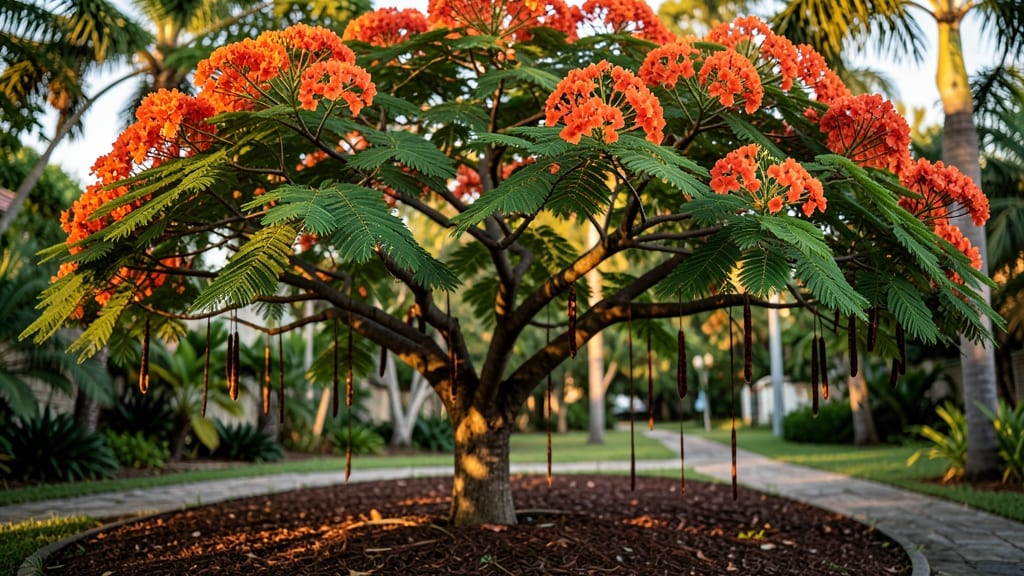
Harvesting Poinciana tree seed pods reveals their hidden potential—those velvety brown husks hold the future of your own tropical tree. 🌿 The key is timing: wait until the pods turn completely brown and begin to split open naturally, usually in late fall or winter.
Rushing too early means immature seeds that won’t germinate, while waiting too long risks losing seeds to birds or pests that love the sweet, sticky insides.
Once you’ve collected the pods, the real work begins: extracting the seeds without damaging them. The twist-free method involves gently prying open the pods with your hands or a small pruning knife, then carefully removing the flat, dark brown seeds inside.
Each pod contains 4-6 seeds, and handling them with care ensures higher germination rates. Store them in a paper bag in a cool, dry place until you’re ready to plant—don’t rush into planting them right away.
Germinating Poinciana seeds takes patience, but the results are worth it. Soak the seeds overnight to soften their tough outer shell, then plant them just beneath the soil surface in a well-draining mix. Keep the soil consistently moist but not soggy, and place the container in a warm, sunny spot.
Within 2-4 weeks, you’ll see the first signs of life—tiny green shoots breaking through the soil, signaling the start of your tropical tree’s journey.
Young Poinciana seedlings need consistent care to thrive. They love full sun and warm temperatures, so if you’re in a cooler climate, consider starting them indoors or in a greenhouse until the last frost.
Once established, these trees grow fast, reaching heights of 30-50 feet with their iconic bright orange flowers. The real magic happens when you watch those first blooms appear, a reward for your patience and care.
📚 In This Guide
- What you need
- Instructions
- Tips and common mistakes
- Wrapping up and next steps
What you need
- ● Mature poinciana seed pods: Harvest when pods are dry, brown, and split open naturally (typically late fall/winter). Aim for 10–20 pods for a small batch or 50+ for larger projects.
- ● Pruning shears or sharp scissors: 1 pair with clean, sterilized blades (7–10" length ideal for reaching pods).
- ● Heavy-duty gloves: 1 pair (nitrile or leather) to protect hands from thorns and rough pods.
- ● Large bucket or tarp: 1–2 (5-gallon bucket or 4’x6’ tarp) to collect pods and debris.
- ● Newspaper or paper towels: 2–3 sheets for drying and separating seeds.
- ● Small paintbrush or soft-bristle brush: 1 for gently removing seed pods from husks.
- ● Paper bags or breathable mesh bags: 2–4 (for storing seeds post-harvest; avoid plastic to prevent mold).
- ● Labeling tags & permanent marker: 5–10 tags to note harvest date and seed viability.
- ● Ladder (6–8 ft): If pods are high up—safety first! Use a sturdy, extendable ladder with a spotter.
- ● Vacuum with hose attachment: For quick cleanup of fallen pods/debris from the ground.
- ○ Seed viability test kit: Optional but handy for checking seed health (e.g., TZV test strips).
- ● Disinfectant spray (70% isopropyl alcohol): To sterilize tools between uses.
- ● Camera or phone: Capture your harvest for future reference or social media flair! 📸
Step-by-Step guide to harvesting Poinciana tree seed pods
Here's how to collect and prepare these striking pods without the frustrating twists and turns.
🌿 Step 1: Identify Ripe Seed Pods
Wait until the pods turn a rich, deep brown color—this signals they're fully mature and ready for harvest. A ripe pod will feel dry and papery to the touch, with the outer shell cracking slightly when gently squeezed. I always check pods in late fall, as they typically ripen after the tree's vibrant blooms fade.
Look for pods that have started to split open naturally. These are prime candidates for seed collection. Avoid harvesting green or partially brown pods—they won't contain viable seeds. The pods should also be free of pests or signs of disease, which can compromise seed quality.
✂️ Step 2: Carefully Remove Pods From the Tree
Use clean, sharp pruning shears to snip the pods directly from the tree branch. Cut about 1 inch above the pod's attachment point to avoid damaging the tree. I like to work on a dry day when the pods are less likely to stick to the tree's resin.
Be gentle when handling the pods—squeezing too hard can cause them to twist and release seeds prematurely. Place the harvested pods in a breathable paper bag or cardboard box to prevent moisture buildup, which can encourage mold growth.
🪴 Step 3: Extract Seeds Safely
Once you're home, lay the pods on a clean, dry surface like a baking sheet. Use a wooden spoon or popsicle stick to gently pry open the pods without twisting them. This prevents the fibrous interior from tangling and makes seed extraction much easier.
As you open each pod, you'll see rows of flat, brown seeds nestled in a woody matrix. Carefully separate the seeds from the fibrous material using your fingers or a small brush. Discard any seeds that appear shriveled, discolored, or damaged—they won't germinate.
💧 Step 4: Clean and Store Seeds Properly
Spread the extracted seeds on a clean towel or paper towel to air-dry for 2-3 days in a warm, dry place. This step is crucial to prevent mold and ensure long-term viability. Stir the seeds occasionally to promote even drying.
Once completely dry, store the seeds in a sealed, airtight container like a small glass jar or plastic bag. Keep the container in a cool, dark place—such as a refrigerator or basement—where temperatures stay between 40-50°F. Properly stored, Poinciana seeds can remain viable for up to 3 years.
☀️ Step 5: Prepare Seeds for Planting
Before sowing, soak the seeds in warm water for 12-24 hours to soften the tough outer coating. This step significantly improves germination rates. After soaking, plant the seeds ½ inch deep in a well-draining seed-starting mix, keeping it lightly moist but never soggy.
Place the seed tray in a warm location with indirect light until germination occurs, which typically takes 2-4 weeks. Once seedlings emerge, provide bright, indirect sunlight and gradually introduce them to outdoor conditions before transplanting.
Tips & tricks for perfect Poinciana tree seed pod harvesting
Let me save you from the headaches I had when first trying to collect these tricky seed pods.
Timing is Everything: Late fall is your golden window for harvesting Poinciana pods, right after the tree's bright flowers fade. I learned this the hard way—harvesting too early means green, unripe pods that won't yield viable seeds. Mark your calendar for when the pods turn that rich, deep brown color and feel dry to the touch. That's your signal they're ready!
Gentle Handling Matters: In Step 2, when removing pods from the tree, I can't stress enough how important it is to be gentle. Twisting or squeezing too hard causes the pods to release seeds prematurely right on the ground. Use those pruning shears to cut cleanly about 1 inch above the attachment point, and work on a dry day to avoid sticky resin that makes handling even trickier.
Seed Extraction Technique: The key to avoiding tangled messes in Step 3 is using the right tools. I've tried everything from my fingers to kitchen scissors, but a wooden spoon or popsicle stick works best for prying open pods without damaging the seeds. Lay them flat on a baking sheet first—this gives you the stability to work carefully. The fibrous interior will resist at first, but patience pays off with clean seed separation.
Storage Wisdom: After the 2-3 day drying period in Step 4, don't rush to store your seeds! Make sure they're completely dry by testing a few—if they still feel damp to the touch, give them another day. Then store them in an airtight container in your refrigerator (40-50°F range) where they'll stay viable for up to 3 years. I've had success with small glass jars, but any container that keeps out moisture works.
Pro Tips for Poinciana Tree Seed Pods
- Let me save you from the headaches I had when first trying to collect these tricky seed pods.
- Timing is Everything: Late fall is your golden window for harvesting Poinciana pods, right after the tree's bright flowers fade.
- Gentle Handling Matters: In Step 2, when removing pods from the tree, I can't stress enough how important it is to be gentle.
Frequently asked questions
Got questions about harvesting poinciana tree seed pods? You’re not alone! Here are answers to the most common queries to help you get the best seeds with minimal fuss.
When is the best time to harvest poinciana seed pods?
The ideal time is when the pods turn brown and papery but before they split open—usually late fall to early winter. Harvesting too early may yield immature seeds, while waiting too long risks losing them to birds or wind. Check pods weekly for the perfect texture!
How do I know if the seeds inside are still viable?
Viable seeds should be plump, firm, and dark brown inside the pod. If they’re shriveled, moldy, or hollow-sounding when shaken, they’ve lost viability. For extra assurance, soak a few in water overnight—if they sink, they’re likely good to grow!
Can I plant poinciana seeds directly from the pod, or do they need prep?
While some gardeners plant them straight from the pod, scarification (lightly scratching the seed coat) or soaking for 24 hours can improve germination rates. Poincianas thrive in warm climates, so plant them in well-draining soil after the last frost—patience is key, as germination can take weeks to months.
Why do birds keep eating my seed pods before I can harvest them?
Birds love poinciana seeds! To outsmart them, harvest pods early in the morning when birds are less active, or cover pods with a breathable mesh bag until ready. If birds are a recurring issue, consider harvesting from higher branches or using netting.
What if my poinciana tree isn’t producing seed pods?
Poinciana trees typically produce pods after 3–5 years of maturity. If yours is older and still pod-free, check for:
- Pollen availability—hand-pollinate flowers with a soft brush if needed.
- Environmental stress (drought, poor soil, or pests).
- Tree health—yellowing leaves or weak growth may signal underlying issues.
Wrapping up and next steps
Harvesting poinciana tree seed pods doesn’t have to be a messy ordeal—with the right tools and techniques, you can collect viable seeds effortlessly! Whether you’re pruning for yard maintenance or nurturing new trees, twist-free harvesting ensures efficiency and sustainability. 🌱
Now that you’re equipped with the knowledge, grab your gloves and tools and give it a try! Start small, experiment with the methods shared, and soon you’ll be a pro at seed collection. Happy gardening! 🌿