
Planting
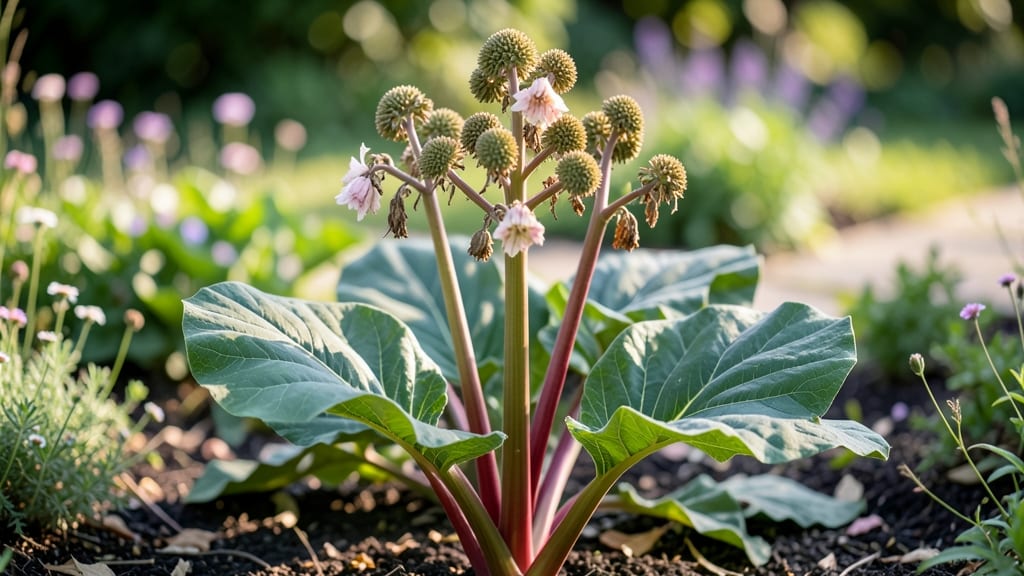
Extracting rhubarb seeds from those red pods is easier than you think—just wait until your next harvest grows from them. 🌱 I’ve saved seeds from my own rhubarb plants for years, and the process is surprisingly simple once you know the timing and technique.
The key is patience: those little seeds need the right conditions to sprout, but once they do, you’ll have plants that outperform store-bought starts.
Start by harvesting mature seed pods in late summer when they turn red and start splitting open. Let them dry completely before cracking them open—this prevents mold and keeps the seeds viable.
You’ll need basic supplies: a bowl for collecting seeds, a clean surface, and a little bit of time (about 15 minutes total). The seeds themselves are tiny but tough, and they’ll stay good for planting for up to two years if stored properly.
Once you’ve got your seeds, scatter them lightly over prepared soil in early spring. Rhubarb loves full sun and well-draining soil—think rich, slightly acidic mix with plenty of compost. Keep the soil moist (not soggy) and watch for sprouts in 2-4 weeks.
Young plants grow slowly at first, but with consistent care, they’ll reward you with sturdy stalks in just a couple of seasons.
This method works for anyone with a sunny spot and a little patience—no greenhouses or fancy setups required. The first year focuses on establishing roots, so hold off on harvesting stalks until the plants are at least two years old.
By then, you’ll have a rhubarb patch that produces for decades with minimal effort.
📚 In This Guide
- What you need
- Instructions
- Tips and common mistakes
- Wrapping up and next steps
What you need
- ● Fresh rhubarb seed pods: Harvest 3–5 mature, plump seed pods from a healthy rhubarb plant (ensure they’re fully ripened but not overripe).
- ○ Small pots or seed trays: 2–3 shallow containers (3–4 inches deep) with drainage holes. Optional: Use peat pellets for easy transplanting.
- ● Well-draining potting mix: A high-quality seed-starting mix (avoid garden soil—it’s too dense!). Aim for 2–3 cubic feet total.
- ● Plastic wrap or humidity dome: To keep seeds moist during germination (a clear plastic bag works in a pinch!).
- ● Spray bottle: For gentle watering (avoid over-saturating the soil).
- ● Label markers & tags: To track seed varieties and planting dates.
- ● Grow lights or sunny windowsill: Seedlings need 12–16 hours of light daily. A basic LED grow light (~$20–$40) is ideal if natural light is limited.
- ● Pruning shears or scissors: For carefully snipping seed pods from the plant.
- ● Fine-mesh sieve: Helps separate seeds from pulp (if you’re processing pods manually).
- ○ Heat mat (optional): Speeds up germination (70–75°F is ideal).
- ● Fertilizer (balanced, water-soluble): Like 10-10-10, diluted to half-strength for seedlings.
- ● Garden twine & stakes: For supporting taller seedlings later.
How to extract rhubarb seeds for next season’s plants
Here’s the simple method I’ve used for years to collect viable rhubarb seeds—no fancy tools, just patience and timing.
🌱 Step 1: Identify and Select Mature Seed Pods
Wait until late summer or early fall when the rhubarb stalks have finished producing edible growth. Look for small, round, green seed pods forming at the base of the plant—these are your future seeds. Choose pods that are fully swollen but still firm to the touch, not soft or shriveled.
Harvest pods when they’ve turned a deep red-brown color, usually after the first light frost. This signals they’re fully mature. Gently twist the pods off the stalk—they should release easily without tearing the plant tissue. Place them in a paper bag to catch any seeds that might fall out during transport.
🌿 Step 2: Dry and Extract the Seeds
Spread the seed pods on a clean, dry surface in a single layer. Let them air-dry for 7-10 days in a warm, dry place with good airflow—like a sunny windowsill or under a fan. The pods will darken further and become brittle as they dry. You’ll know they’re ready when they crumble easily between your fingers.
Once dry, place the pods in a clean cloth or paper towel and gently crush them with your fingers or a mortar and pestle. The seeds will separate from the chaff. Sift the mixture through a fine mesh strainer to remove debris, leaving only the small, dark brown seeds behind. Store these in an airtight container in a cool, dark place until spring.
⏰ Step 3: Stratify Seeds for Better Germination
Rhubarb seeds require a cold period to break dormancy—a process called stratification. Mix the seeds with slightly damp sand or perlite in a sealed container. Place the container in the refrigerator for 3-4 months, checking monthly to ensure the mix stays lightly moist but not soggy.
After stratification, sow the seeds ¼ inch deep in a well-draining seed-starting mix. Keep the soil consistently moist but not waterlogged. Place the container in a bright spot with indirect light until germination, which typically takes 2-4 weeks. Once seedlings appear, provide full sun and care for them like young rhubarb plants.
☀️ Step 4: Transplant Seedlings for Long-Term Growth
Transplant seedlings outdoors after the last frost when they’ve developed 3-4 true leaves. Choose a location with full sun and well-draining soil. Space them 3 feet apart to allow room for mature growth. Mulch around the base to retain moisture and suppress weeds.
Rhubarb grown from seed takes 2-3 years to reach maturity and produce edible stalks, so be patient. The first year focuses on establishing strong roots—you’ll see slow but steady growth. By the third year, you’ll have a thriving plant ready to harvest for decades to come.
Tips & tricks for perfect rhubarb seed pod harvesting
Here's what nobody tells you about harvesting rhubarb seeds that actually works.
Timing is Everything: That first light frost is your golden window for harvesting seed pods. If you miss it, the pods may split open naturally and scatter seeds everywhere. I've learned this the hard way—waiting too long means losing your entire harvest to the elements. Mark your calendar for late September or early October in most climates.
Drying Done Right: When drying your seed pods for the 7-10 days, don't stack them—they need that airflow! I use a wire cooling rack over a baking sheet to create perfect circulation. If humidity is high where you live, consider placing a small fan nearby to speed up the process. You'll know they're ready when they crumble like stale crackers between your fingers.
Seed Separation Strategy: For the cleanest seed extraction, try this: After crushing the pods, spread the mixture on a dark-colored baking sheet. The seeds will naturally fall through any cracks in the sheet while the chaff stays behind. This saves you from sifting through all that debris. Store your clean seeds in a small envelope labeled with the harvest year—trust me, you'll forget otherwise!
Pro Tips for Rhubarb Plant Seed Pods
- Here's what nobody tells you about harvesting rhubarb seeds that actually works.
- Timing is Everything: That first light frost is your golden window for harvesting seed pods.
- Drying Done Right: When drying your seed pods for the 7-10 days, don't stack them—they need that airflow!
Frequently asked questions
Got questions about harvesting and saving rhubarb seed pods for future plants? You’re not alone! Here are some of the most common inquiries—and their answers—to help you navigate the process like a pro.
Do rhubarb plants grow true from seed, or do I need to buy new plants?
Rhubarb seeds can grow into new plants, but they may not be identical to the parent plant. Many gardeners prefer to propagate by dividing mature crowns (which guarantees the same variety). If you’re experimenting with seeds, expect variability in color, size, or hardiness. For reliable results, start with crown divisions or certified seeds!
When is the best time to harvest rhubarb seed pods?
Wait until the seed pods are fully mature—usually late summer to early fall—when they turn brown and dry out. Harvest them before they split open or scatter seeds. If pods drop to the ground, collect them immediately to prevent seed loss. Pro tip: Wear gloves to avoid prickly stems!
How do I store rhubarb seeds for planting next year?
Clean and dry the seeds thoroughly, then store them in a cool, dark place (like a paper envelope in the fridge) for up to 2 years. For best germination, sow them fresh in early spring or stratify them (mix with damp sand and refrigerate for 4–6 weeks) to mimic winter conditions.
Why aren’t my rhubarb plants producing seed pods?
Seed pods require cross-pollination, which may not happen if you have only one plant. Try planting a second rhubarb variety nearby to encourage pollinators. Alternatively, your plant might be too young (wait 2–3 years) or stressed (check for pests/disease). If all else fails, propagate via crown division instead!
Can I eat rhubarb seeds or use the pods in cooking?
While rhubarb seeds are technically edible (and often consumed accidentally in pies), they’re not flavorful or nutritious like the stalks. The pods themselves are tough and bitter—best used for seed extraction only. Stick to the stalks for your culinary adventures (like this classic rhubarb crisp recipe!).
Wrapping up and next steps
Growing rhubarb from seed pods is a rewarding way to ensure a fresh harvest next season!
With patience and the right techniques—like proper extraction, stratification, and planting—you’ll unlock a thriving garden full of tart, vibrant stalks. Don’t let hesitation hold you back: grab those pods, follow the steps, and watch your rhubarb thrive.
Ready to take the next step? Start small—plant a few pods this fall and expand as you gain confidence. Happy gardening! 🌱✨