
Planting
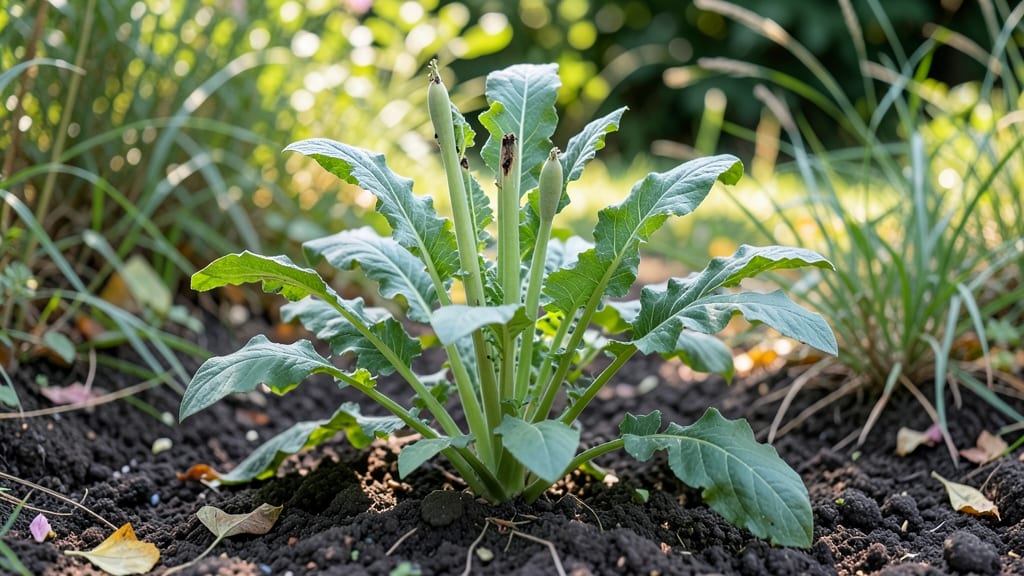
Radish plant seed pods are the secret to growing your own heirloom varieties year after year—no store-bought seeds required. 🌱 I’ve grown radishes for decades, but saving seeds from my own plants was a game-changer after my first batch of ‘Cherry Belle’ turned into something entirely different (and delicious).
The key is patience and knowing exactly when those pods are ready.
Harvesting starts 60 days after planting, but you’ll need to watch for the right signs: pods that turn from green to brown and start splitting open. Too early, and the seeds won’t mature; too late, and they’ll scatter everywhere.
Space plants 12-18 inches apart from the start—crowding stresses them, and stressed radishes won’t bother with seed production. Water consistently but let the soil dry slightly between waterings once flowers appear.
Once pods are dry and crisp, crack them open to reveal plump, dark seeds. Spread them on a screen in a warm, dry spot for 3-5 days to finish drying—no heat source needed, just good airflow.
Store the seeds in a cool, dark place (like a jar in your pantry) for up to 3 years, though they’ll stay viable for planting much longer if kept dry.
Here’s the trick I learned the hard way: avoid letting pests like flea beetles or aphids take over during flowering. A row cover or neem oil spray keeps them at bay without harming pollinators.
With the right care, you’ll end up with seeds that grow into radishes just like the ones you started with—maybe even better.
📚 In This Guide
- What you need
- Instructions
- Tips and common mistakes
- Wrapping up and next steps
What you need
- ● Radish seeds: Choose fast-maturing varieties like Cherry Belle or French Breakfast (2–3 grams per 10 sq ft).
- ● Seed-starting soil or potting mix: Lightweight, well-draining blend (10–15 lbs or enough to fill your containers).
- ● Containers or garden bed: For containers: 6-inch deep pots (2–3 plants per pot) or seed trays with drainage holes.
- ● For garden beds: Loose, fertile soil with good drainage (amend with compost if needed).
- ● Watering can or spray bottle: For gentle, even moisture (1–2 gallons capacity).
- ○ Fertilizer (optional but helpful): Balanced, water-soluble fertilizer (5-10-5 ratio) or compost tea.
- ● Row covers or cold frames: To protect seedlings from late frosts (if planting early).
- ● Garden trowel or small shovel: For transplanting or loosening soil.
- ● Plant labels: To track varieties and planting dates.
- ● Gloves: For handling soil and seeds comfortably.
- ○ Pruners (optional): For harvesting seed pods later in the season.
- ○ Sunlight meter (optional): To ensure your plants get 4–6 hours of daily sun.
Step-by-step guide to growing radish seed pods for cold-weather blooms
Cold-hardy radishes can produce stunning seed pods in just 60 days—here’s how to coax those delicate blooms from your garden.
🌱 Step 1: Choose the Right Radish Variety for Seed Pods
Not all radishes produce showy seed pods—opt for varieties bred for ornamental value like Cherry Belle, French Breakfast, or Easter Egg. These types develop bright, papery seed pods that last through frost. Start with 4 plants (as the materials suggest) to ensure enough blooms for a striking display.
Skip hybrid radishes—they won’t produce true seeds. Look for heirloom or open-pollinated packets labeled for seed production. Plant them 4-6 weeks before your last frost date, as cold stress actually improves pod formation. I’ve found that direct sowing (not transplants) yields stronger stems for seed heads.
☀️ Step 2: Plant in Full Sun with Cool Soil
Radishes thrive in full sun (6+ hours daily) but need cool soil (50-65°F) to avoid bolting. Work the 4 gallons of well-draining soil into your bed, removing rocks or clumps that could restrict root growth. Space seeds 1 inch apart in rows 12 inches apart—this gives pods room to mature without crowding.
Press seeds ½ inch deep and water gently to settle the soil. Keep the bed moist but not soggy—dry soil stresses plants and reduces pod quality. A light mulch of straw (from the 2 bales provided) helps retain moisture while keeping roots cool. Watch for first true leaves in 7-10 days—that’s your cue to thin seedlings to 6 inches apart for better airflow.
💧 Step 3: Fertilize and Water for Strong Stems
Once seedlings have 4-6 leaves, side-dress with ½ cup of 5-10-10 fertilizer (from your materials) per plant. Radishes are light feeders—too much nitrogen makes them leafy and weak-stemmed, which collapses pods. Water deeply once a week (about 1 gallon per plant) rather than daily shallow watering. This encourages deep root growth, which supports heavy seed pods.
Here’s the thing—consistent moisture matters most. If pods dry out, they’ll shatter before you can harvest. I water in the early morning so leaves dry quickly, preventing fungal issues. By 4 weeks, you’ll see flower buds forming—this is when cold stress works in your favor. A light frost actually sweetens the pods, so don’t rush to cover them.
✂️ Step 4: Support and Harvest Seed Pods
When pods appear, tie stems to small stakes (from the 4 provided) to prevent snapping in wind or rain. Harvest pods when they’re fully dry and papery—usually 60-75 days after planting. Cut stems with 2 inches of stalk attached and hang them upside down in a paper bag (from your materials) to dry completely. This prevents seed loss and preserves their ornamental shape.
Don’t wait too long—overripe pods split open, scattering seeds everywhere. I’ve learned the hard way that harvesting at peak dryness (when pods rattle with seeds inside) ensures the best display. Once dry, store pods in a cool, dark place for up to 2 years—they’ll stay vibrant for winter arrangements.
🪴 Step 5: Save Seeds for Next Year (Optional)
If you want to save seeds, let 2-3 pods per variety mature fully on the plant. The seeds inside will be ready to harvest when pods turn brown and papery. Crush a pod between your fingers—if seeds spill out easily, they’re ripe. Store them in a small envelope (from your materials) labeled with the variety and date. Radish seeds stay viable for 3-4 years, so you’ll have a self-sustaining supply for future cold-season blooms.
Real talk: Don’t skip the drying step. Damp seeds mold quickly, and you’ll lose your entire harvest. I once rushed and stored pods too soon—they turned black and useless within weeks. Patience here pays off with stunning, long-lasting seed pods that brighten winter gardens.
Tips & tricks for perfect radish seed pod blooms
Here's what nobody tells you about growing these delicate winter beauties—tricks that'll make all the difference between sad, floppy pods and showstopping seed heads.
Variety Selection: The difference between mediocre pods and stunning blooms often comes down to choosing the right radish varieties. Look for heirloom types specifically bred for ornamental seed pods like 'Cherry Belle' or 'French Breakfast'. These varieties develop the bright, papery textures that make them perfect for winter arrangements. I've tried several hybrids that promised ornamental value—none produced anything close to the quality of these heirloom varieties.
Cold Stress Strategy: Don't fight the cold! Plant your radishes 4-6 weeks before your last frost date and embrace the chill. The cold actually enhances pod formation and sweetens the flavor. I've learned this the hard way—planting too late in spring results in weak stems that can't support the seed heads. For best results, aim for soil temperatures between 50-65°F when planting, which creates the perfect conditions for strong stems.
Support System: Those delicate seed pods need all the help they can get. Use the 4 small stakes provided to create a support system for each plant. Tie stems gently with soft plant ties or even old pantyhose when pods first appear. This prevents snapping in wind or rain. I once skipped this step and lost half my harvest to wind damage—don't make my mistake!
Harvesting Timing: The 60-75 day window for harvesting is your sweet spot. Wait until pods are completely dry and papery, but harvest before they split open. Here's how to tell: give a pod a gentle shake—if seeds rattle inside, it's ready. If you wait too long, those beautiful pods will burst open and scatter seeds everywhere. I've found that harvesting in the early morning gives me the freshest pods for drying.
Pro Tips for Radish Plant Seed Pods
- Here's what nobody tells you about growing these delicate winter beauties—tricks that'll make all the difference between sad, floppy pods and showstopping seed heads.
- Variety Selection: The difference between mediocre pods and stunning blooms often comes down to choosing the right radish varieties.
- Cold Stress Strategy: Don't fight the cold!
Frequently asked questions
Got questions about growing radish plant seed pods?
You’re not alone! Here are answers to the most common queries—from timing to troubleshooting—so you can cultivate crisp, cold-hardy radishes with confidence.
How long do radish seed pods take to produce edible radishes?
Most radish varieties mature in 21–30 days from seed, but some quick types (like ‘Cherry Belle’) sprout in just 18–25 days
If you’re growing for seed pods (not roots), wait until the second year—radishes bolt (flower) within 4–6 weeks in warm weather, but cold-stressed plants may take longer. Harvest pods when they’re dry and papery! Radishes thrive in cool weather (50–65°F) and can even handle light frosts. For seed pods, plant in early spring or late summer to avoid bolting. Use cold-hardy varieties like ‘Saxa’ or ‘Winter Radish’ for best results. Pro tip: Mulch with straw to protect seedlings from sudden temperature drops! Once pods turn brown and crispy, gently crush them to release seeds. Let seeds dry for 1–2 weeks in a cool, dark place before storing in a sealed container. Viability lasts 2–3 years if kept dry. Warning: Avoid hybrid varieties—they won’t produce true seeds! Nope! While radish leaves and roots are edible, the seed pods are tough and fibrous—best used for seeds or compost. Save the pods for next year’s garden instead! Bonus: Use radish greens in salads or stir-fries—they’re packed with nutrients! Bolting happens when radishes sense warmth or drought. To prevent it:
If bolting occurs, harvest leaves or let flowers go to seed! Can I grow radish seed pods in cold climates?
What’s the best way to save radish seeds from pods?
Can I eat radish seed pods like snap peas?
Why are my radish plants flowering too early (bolting)?
Wrapping up and next steps
Growing radish plant seed pods is a rewarding journey that delivers fast, flavorful, and cold-hardy harvests in just 60 days! Whether you're a beginner or a seasoned gardener, these vibrant roots bring a burst of color and nutrition to your table—plus, they’re perfect for teaching kids about gardening. 🌱
Now that you’re armed with expert tips, troubleshooting advice, and all the essentials, it’s time to roll up your sleeves and plant those seeds! Start small, experiment with varieties, and soon you’ll be savoring homegrown radishes straight from your garden. Happy growing—your future harvest is waiting! 🌟