
Lawn
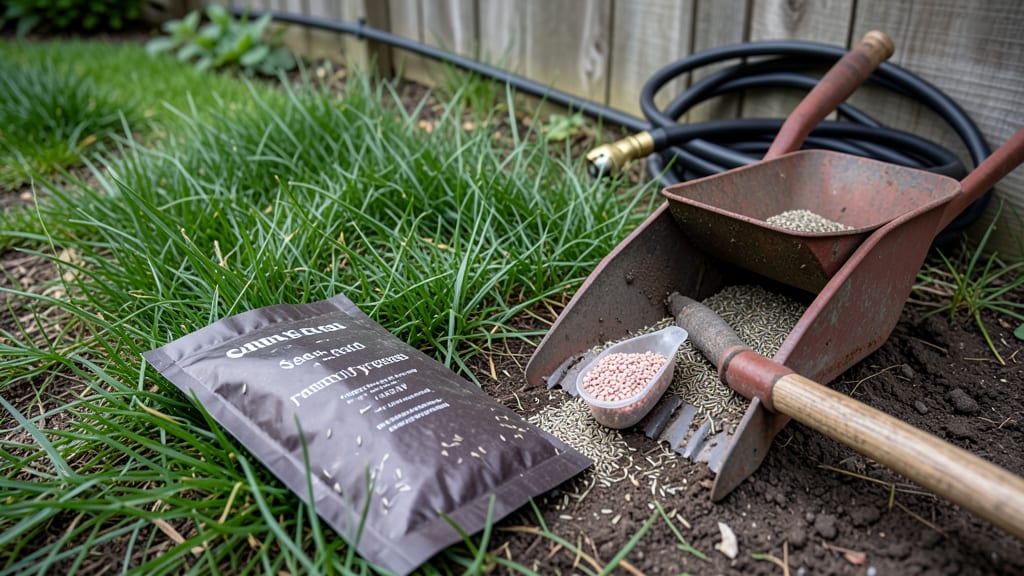
Fall reseed grass when temperatures drop below 80°F—this isn’t just timing, it’s the secret to a lawn so thick and green it’ll make your neighbors jealous. 🌱 The cooler air helps seeds germinate faster, while fewer weeds and pests give your grass a fighting chance.
I’ve overseeded my lawn in both spring and fall, but fall always delivers the most reliable, weed-resistant results by spring.
Start with a simple 3-layer approach: first, dethatch or aerate to loosen compacted soil (rent a core aerator if needed), then spread a high-quality cool-season seed mix (like Kentucky bluegrass or fescue), and finish with a light layer of compost or starter fertilizer.
Most people skip the soil prep—don’t be one of them. That extra step makes the difference between patchy recovery and a lush carpet of grass.
You’ll see sprouts in 7–14 days, but consistency is key: water lightly twice daily for the first two weeks to keep soil moist but not soggy. After that, taper to once daily until the new grass reaches 3 inches tall.
The payoff? A lawn that survives winter, resists weeds, and greens up faster in spring than any spring seeding ever could.
Northern climates can reseed as late as mid-October, while southern zones should aim for early September before summer heat returns. Avoid overseeding if frost is forecast within two weeks—seeds need time to establish before winter dormancy. Think of fall as your lawn’s second chance to get it right.
📚 In This Guide
- What you need
- Instructions
- Tips and common mistakes
- Wrapping up and next steps
What you need
- ● Seed: Choose a high-quality cool-season grass seed mix (e.g., fescue, ryegrass, or bluegrass). Aim for 5–8 lbs per 1,000 sq ft, depending on your lawn’s condition.
- ● Lawn fertilizer: A starter fertilizer (high in phosphorus, e.g., 5-10-10 ratio) to promote root growth. Use ½ lb of nitrogen per 1,000 sq ft.
- ● Topsoil or compost: A ¼–½ inch layer to improve seed-to-soil contact and nutrient availability.
- ● Rake: A bow rake (for loosening soil) and a garden rake (for leveling).
- ● Broadcast spreader: For even seed distribution. A handheld or walk-behind model works best.
- ● Water source: A hose with a sprinkler head or a garden sprayer for gentle, consistent watering.
- ○ Lawn roller (optional but helpful): A lightweight roller (50–100 lbs) to press seed into the soil.
- ● Soil test kit: To check pH and nutrient levels before seeding.
- ● Pre-emergent herbicide: If weeds are a problem, apply 2–4 weeks before seeding.
- ● Straw or netting: To protect seeds from birds and erosion (use ¼–½ inch layer).
- ● Lawn mower (adjusted): Set blades to 2–3 inches high before reseeding.
- ● Gloves & knee pads: For comfort during prep work!
Step-by-step guide for fall reseeding cool-season grass
Fall is the perfect time to thicken lawns—here's how to do it right.
🌱 Step 1: Prepare the Soil with a Light Aeration
Start by mowing your lawn shorter than usual—about 1.5 inches—to expose the soil surface. This helps the new seeds make better contact with the earth. Next, use a core aerator (or a manual aeration tool if you have a small area) to pull up small soil plugs. You want these plugs spaced about 2-3 inches apart—this creates pockets for seeds to settle into the soil without competing with existing grass.
If your lawn has thick thatch (that spongy layer between soil and grass), rent a dethatcher to thin it out. Thatch thicker than ½ inch blocks water and nutrients from reaching new seeds. After aerating, lightly rake the area with a stiff-bristled lawn rake to break up any remaining debris and smooth the surface. The goal is to create a fine, crumbly texture—like freshly tilled garden soil.
💧 Step 2: Apply Seed and Top Dressing in Three Layers
Spread your cool-season grass seed evenly using a broadcast spreader or by hand. For best results, apply about ½ pound per 100 square feet, following the rate on your seed packet. I like to walk in two perpendicular directions to ensure full coverage—this prevents patchy growth later. After seeding, lightly cover the seeds with a thin layer of compost or topsoil (¼ inch deep). This protects them from drying out and predatory birds while keeping them in contact with the soil.
Next, sprinkle a thin layer of straw mulch (about ¼ inch thick) over the seeded area. Straw helps retain moisture and insulates the seeds from temperature fluctuations. Avoid using hay—it often contains weed seeds you don’t want. Water the area gently but thoroughly until the mulch and soil are evenly moist. You should see moisture seeping into the ground about 2-3 inches deep.
☀️ Step 3: Maintain Consistent Moisture for Germination
Keep the seeded area consistently moist for the first 3-4 weeks—this is critical for germination. Water lightly every morning and evening, enough to dampen the top ½ inch of soil. Avoid soaking the area, which can wash away seeds or create puddles. You’ll know you’re doing it right when the soil feels like a damp sponge—neither soggy nor dry.
Once the new grass reaches about 2 inches tall, gradually reduce watering to encourage deeper root growth. At this stage, water deeply 2-3 times per week, allowing the top 1 inch of soil to dry slightly between waterings. Avoid heavy foot traffic until the grass is fully established—typically after 6-8 weeks. This prevents uprooting the delicate seedlings and gives them time to develop strong root systems.
✂️ Step 4: Adjust Mowing and Fertilizing for New Growth
When the new grass reaches 3-4 inches tall, mow it for the first time using a sharp blade set to 3 inches. Never remove more than ⅓ of the blade height at once—this prevents stressing the young plants. After mowing, apply a light layer of slow-release fertilizer (high in nitrogen) to support the grass’s rapid growth. Choose a fertilizer labeled for cool-season grasses, and follow the application rate on the package.
Continue mowing regularly as the grass grows, keeping it at 2.5-3.5 inches for the first season. This height helps the roots establish deeply and outcompete weeds. In late fall, apply a winterizer fertilizer to strengthen the grass before dormancy. By next spring, you’ll have a lush, thick lawn that’s ready to handle foot traffic and summer heat.
Tips & tricks for perfect fall reseeding
Fall lawn revival isn't just about throwing seeds on the ground—these key strategies will help you achieve that lush, thick lawn you're dreaming of. Here's what I've learned after years of trial and error.
Soil Prep Secret: The ½-inch thatch limit is non-negotiable—any thicker and you're basically creating a barrier between seeds and soil. If you're unsure about your thatch layer, do the "coin test": press a quarter into the lawn. If it disappears completely, your thatch is likely too thick. Renting a dethatcher for just a few hours can save you from weeks of patchy growth later.
Layering Technique: When creating those three layers—seed, compost, and straw—think of it like lasagna. Each layer serves a purpose: the seed needs light to germinate, the compost provides nutrients, and the straw protects from temperature swings. I've seen people skip the compost layer, but that's like building a house without a foundation. Use a thin, even layer of compost (¼ inch) to give your seeds the best possible start.
Watering Wisdom: The 3-4 week moisture window is your most critical phase. I've ruined lawns by either overwatering (which washes seeds away) or underwatering (which leaves them desiccated). Use a rain gauge or tuna can to measure water depth—you're aiming for ½ inch of water per application. Early morning watering (before 10 AM) minimizes evaporation and fungal risks.
Timing Tip: The 6-8 week establishment period is when most people make their biggest mistake—rushing. I know you're eager to see results, but walking on new grass before it's fully rooted is like pulling weeds before they're established. Mark the area with stakes or flags if you have kids/pets to remind everyone to stay off until spring.
Pro Tips for Reseed Grass In Fall
- Fall lawn revival isn't just about throwing seeds on the ground—these key strategies will help you achieve that lush, thick lawn you're dreaming of.
- Soil Prep Secret: The ½-inch thatch limit is non-negotiable—any thicker and you're basically creating a barrier between seeds and soil.
- Layering Technique: When creating those three layers—seed, compost, and straw—think of it like lasagna.
Frequently asked questions
Got questions about reseed grass in fall? You’re in the right place! Here are answers to the most common concerns—so you can tackle your lawn project with confidence.
When is the absolute best time to reseed in fall?
Fall reseeding works best between late August and early October (depending on your climate). This window gives grass seeds time to germinate before winter frost sets in. Aim for 60-70°F soil temps—cool enough for seeds to sprout but warm enough to avoid dormancy.
How long does it take for grass to grow after reseeding?
Most cool-season grasses sprout in 7–21 days, with visible growth in 3–4 weeks. Factors like moisture, temperature, and seed type affect timing. Keep soil consistently moist (but not soggy) to speed up germination. Patience pays off—thick turf takes 3–6 months to fully establish!
Do I need to water daily after seeding?
Yes! For the first 2 weeks, water lightly twice daily (morning and evening) to keep the top inch of soil damp. After germination, taper to 1 inch per week. Use a gentle sprinkler to avoid displacing seeds. Pro tip: Water early to reduce fungal risks.
Can I use grass clippings or mulch instead of straw?
Grass clippings can work as a free mulch, but use them sparingly (¼-inch layer max) to avoid matting. Straw is ideal because it insulates seeds and retains moisture. Avoid thick mulch layers—seeds need light to germinate! If using clippings, let them dry first to prevent clumping.
What if weeds or pests show up after reseeding?
Weeds are common but manageable. Hand-pull them early or use a pre-emergent herbicide after seeds sprout. For pests like grubs or chinch bugs, apply organic neem oil or a targeted insecticide. Prevention tip: Overseed thickly to crowd out weeds naturally!
Should I reseed if winter is early or harsh?
If frost hits before seeds germinate, delay until spring. However, if seeds have already sprouted, protect them with a light layer of straw (1–2 inches) and avoid heavy foot traffic. Most cool-season grasses handle light frost well—just monitor soil temps and adjust watering as needed.
Wrapping up and next steps
Fall is the perfect time to give your lawn a fresh start—reseeding in cooler months ensures thicker, greener grass with less competition from weeds. By following the 3-layer approach (soil prep, seed selection, and care), you’re setting your grass up for success.
Don’t wait—grab your tools and get planting! 🌱
🌟 Next Steps:
- Check your local planting zone for ideal timing.
- Pick your cool-season grass (like fescue or ryegrass) and hit the store!
- Share your progress—tag us in your before-and-after shots!