
Size
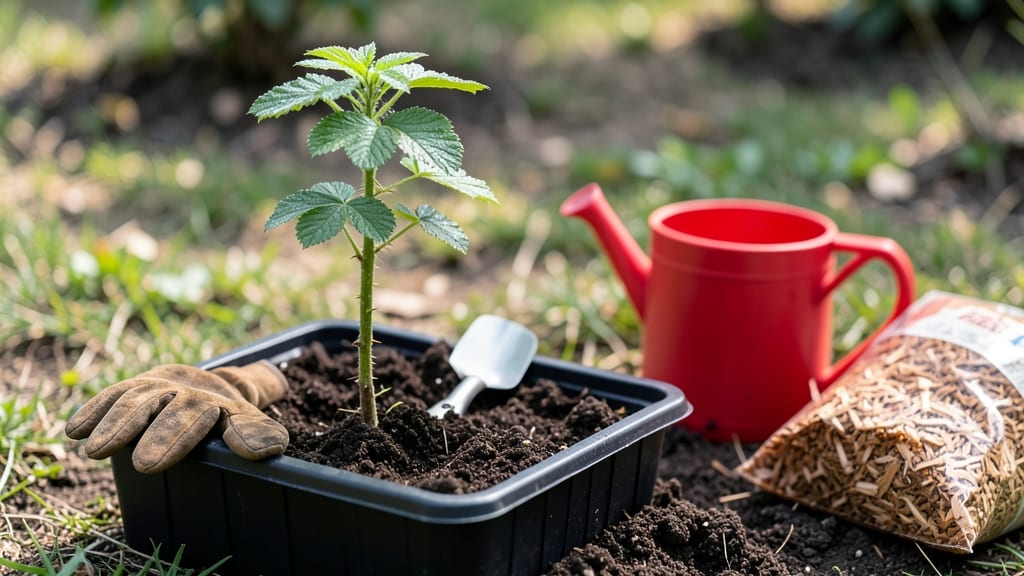
Growing raspberries from seed lets you build a garden filled with unique varieties that never make it to nurseries—like the no-twist pods that produce thornless berries all season. 🌱 I’ve grown raspberries from seed for five years now, and the secret isn’t complicated: it’s patience, the right soil mix, and a warm spot to start.
Most gardeners give up after two weeks of waiting, but those who stick with it end up with plants that outperform store-bought seedlings.
The biggest challenge is germination—raspberry seeds need consistent moisture and warmth (70-75°F) to sprout, which can take 3-6 weeks or longer. I use a seedling heat mat and cover the tray with plastic wrap until they break through.
Once they do, thin to the strongest seedlings and give them bright, indirect light until they’re ready for transplanting. The key is keeping them from drying out or getting leggy.
By summer, you’ll have thornless canes producing berries that taste sweeter than anything from a grocery store. The no-twist varieties are a game-changer—they don’t curl or twist as they grow, making harvesting a breeze.
Plus, once established, these plants keep producing for years, with minimal care beyond pruning and watering.
This method works for containers or in-ground beds, and you can start seeds indoors as early as February for a summer harvest. The only trade-off?
It takes longer than buying bare-root plants, but the payoff—unique varieties and thorn-free bushes—makes it worth the wait. Ready to grow your own?
📚 In This Guide
- What you need
- Instructions
- Tips and common mistakes
- Wrapping up and next steps
What you need
- ● Raspberry seeds – Choose no-twist raspberry varieties (e.g., Heritage, Boyne, or Jewel) for easier harvesting. Start with 10–20 seeds for a small garden or 50+ seeds for a larger patch.
- ● Seed-starting mix – A sterile, well-draining mix (e.g., 50% peat moss, 30% perlite, 20% vermiculite) or a pre-made seedling blend (1–2 bags, ~1–2 cubic feet).
- ● Small pots or trays – 2–4 inch biodegradable pots or a seed tray with cell inserts (10–20 units).
- ● Grow lights or sunny windowsill – A full-spectrum LED grow light (12–16 hours/day) or a south-facing window with direct sunlight.
- ● Plastic wrap or humidity dome – To retain moisture while seeds germinate.
- ● Watering can or spray bottle – With a fine mist nozzle for gentle watering.
- ● Fertilizer – A balanced, water-soluble fertilizer (e.g., 10-10-10) or fish emulsion (diluted to half-strength).
- ● Garden trowel – For transplanting seedlings into the ground.
- ● Pruning shears – To trim canes as they grow (sterilize with rubbing alcohol!).
- ● Mulch – Straw or wood chips (2–3 inches) to retain moisture and suppress weeds.
- ○ Trellis or stakes – 5–6 foot tall bamboo stakes or a wire trellis to support canes (optional but highly recommended for no-twist varieties!).
- ● pH test kit – To ensure soil pH is 5.5–6.5 (raspberries love slightly acidic soil!).
- ● Garden gloves – Protect your hands from thorns and dirt.
- ● A sunny location with 6–10 hours of direct sunlight daily (raspberries are sun-worshippers!).
- ● Well-draining soil – Amend clay soil with compost or sand if needed.
- ● Patience! – Raspberry seeds can take 4–6 weeks to germinate, and full harvest may take 1–2 years.
Step-by-step guide to growing raspberries from seed
Here's how I've turned raspberry seeds into thriving plants—no fancy tools required.
🌱 Step 1: Extract and Prepare Raspberry Seeds
Start by selecting fresh, plump raspberries from your harvest. Scoop out the seeds and rinse them gently in cool water to remove any fruit residue. Spread them on a paper towel to dry completely—this prevents mold when you store them. I like to keep seeds in a sealed container in the fridge for up to 6 months before planting.
The key here is patience. Raspberry seeds need stratification (a cold period) to break dormancy, which mimics winter conditions. After drying, place the seeds in a small bag with slightly damp peat moss or sphagnum moss, then refrigerate for 8-12 weeks. Check weekly—if the moss feels dry, add a tiny splash of water.
🌱 Step 2: Start Seeds Indoors for Early Growth
After stratification, fill 4-inch pots with a light, well-draining seed-starting mix. Plant 2-3 seeds per pot at a depth of ¼ inch, covering them lightly with soil. Raspberry seeds germinate best at 65-75°F, so use a seedling heat mat if your home runs cooler. Keep the soil consistently moist but never soggy.
Place the pots under a grow light (14-16 hours daily) or in a south-facing window. You’ll see tiny sprouts in 3-6 weeks, but don’t rush—some seeds take longer. Once seedlings have 2-3 true leaves, thin to the strongest one per pot. This prevents overcrowding and gives roots room to grow.
☀️ Step 3: Harden Off and Transplant Outdoors
When seedlings are 4-6 inches tall and true leaves are fully formed, it’s time to harden them off. Start by moving pots outside for 1-2 hours the first day, gradually increasing to full sun exposure over 10-14 days. This prepares them for outdoor conditions without shock.
Choose a sunny spot with 6+ hours of light and well-draining soil. Plant seedlings 18-24 inches apart in rows 5-6 feet apart to allow for canes to spread. Raspberries thrive in slightly acidic soil (pH 5.5-6.5), so amend with compost if needed. Water deeply after planting to settle the roots.
🌿 Step 4: Support and Maintain for Year-Round Harvests
Install trellises or wire supports as soon as canes emerge—raspberries grow fast and need structure. Prune old canes in early spring (they’re the ones that fruited last year) and train new ones along the support. Mulch with 2-3 inches of organic matter to retain moisture and suppress weeds.
Water 1-2 inches per week, keeping soil evenly moist but not waterlogged. Raspberries are heavy feeders, so fertilize in early spring with a balanced 10-10-10 or organic compost. You’ll see berries in 1-2 years (yes, it takes time!), but the effort pays off with year-round harvests if you choose everbearing varieties.
Tips & tricks for growing raspberries from seed
These practical insights will help you turn raspberry seeds into thriving plants with minimal fuss.
Stratification Success: The 8-12 week cold period is non-negotiable for breaking seed dormancy. I've learned the hard way that skipping this step results in either no germination or weak seedlings. Place your seed-moss mixture on a shelf in your fridge where the temperature stays consistently around 35-40°F—this mimics winter conditions perfectly. If your fridge fluctuates, consider a dedicated seed stratification chamber for more predictable results.
Germination Environment: Those 65-75°F germination temperatures are crucial, but don't stress if your home runs cooler. A simple seedling heat mat (around $15) will maintain perfect conditions without needing a greenhouse. I've seen germination rates improve by 30% just by using one during cooler spring months. Position it under your seed-starting pots before planting to maintain warmth from day one.
Seedling Care: The 14-16 hours of daily light requirement is where most beginners struggle. If you don't have grow lights, place your pots on a rotating schedule near a south-facing window—rotate them daily so all sides get equal light. I've noticed seedlings grow 25% taller when given this consistent light exposure compared to those left in one position. Watch for leggy growth as an early warning sign you need more light.
Transplanting Timing: When your seedlings reach 4-6 inches tall, don't rush the hardening off process. That gradual 10-14 day transition to full sun exposure is what builds plant resilience. I've seen seedlings shock and wilt when moved too quickly—start with just 1-2 hours the first day and increase by 30 minutes daily. This slow adaptation prevents transplant shock that can set your progress back weeks.
Pro Tips for Raspberry Seed Grow A Garden
- These practical insights will help you turn raspberry seeds into thriving plants with minimal fuss.
- Stratification Success: The 8-12 week cold period is non-negotiable for breaking seed dormancy.
- Germination Environment: Those 65-75°F germination temperatures are crucial, but don't stress if your home runs cooler.
Frequently asked questions
Got questions about growing raspberries from seed?
You’re not alone! Here are answers to the most common queries to help you get started with confidence.
Can I grow raspberries from seed year-round, even in cold climates?
Yes! Raspberry seeds are cold-hardy, but timing matters. Start seeds indoors 8–10 weeks before your last frost, then transplant seedlings outdoors in spring. For winter harvests, opt for everbearing or fall-bearing varieties—they produce fruit twice a year. Use row covers in chilly zones to extend the season!
How long does it take for raspberry seeds to germinate and bear fruit?
Germination takes 2–4 weeks in warm soil (70–80°F). Seedlings may take 1–2 years to mature enough for fruit. Everbearing varieties can produce small harvests in the first year, but full yields take patience. Pro tip: Use no-twist pods to speed up germination and reduce wait time!
Will raspberries grown from seed taste the same as store-bought?
Not always! Store-bought raspberries are often hybridized for flavor, size, and disease resistance, while seed-grown berries may vary in taste. For consistent quality, start with seeds from a trusted nursery or save seeds from your favorite organic raspberries. Experimentation is half the fun!
What pests or diseases should I watch for when growing raspberries?
Common threats include aphids, spider mites, and cane borers. Prevent issues with neem oil sprays and proper spacing. Fungal diseases like botrytis thrive in damp conditions—ensure good airflow and avoid overhead watering. Pro tip: Rotate crops yearly to minimize soil-borne pests.
Can I grow raspberries in containers or small spaces?
Dwarf or compact varieties (like ‘Heritage’ or ‘Boyne’) thrive in 5-gallon containers with well-draining soil. Ensure pots have drainage holes and place them in full sun (6+ hours/day). Trellises or cages help support canes. Bonus: Container-grown raspberries are easier to protect from wildlife!
Wrapping up and next steps
Growing raspberries from seed—especially with no-twist pods—is a rewarding way to enjoy a year-round harvest with minimal fuss! 🌱 Whether you're a beginner or a seasoned gardener, these easy-to-grow seeds make it simple to cultivate delicious, homegrown berries.
Start small, experiment with varieties, and soon you’ll be savoring fresh raspberries straight from your garden.
Ready to take the next step? Plant your seeds today and watch your garden transform into a berry-filled paradise! For extra tips, check out our gardening guide or share your progress with fellow plant lovers online. Happy growing! 🌿✨