
Lawn
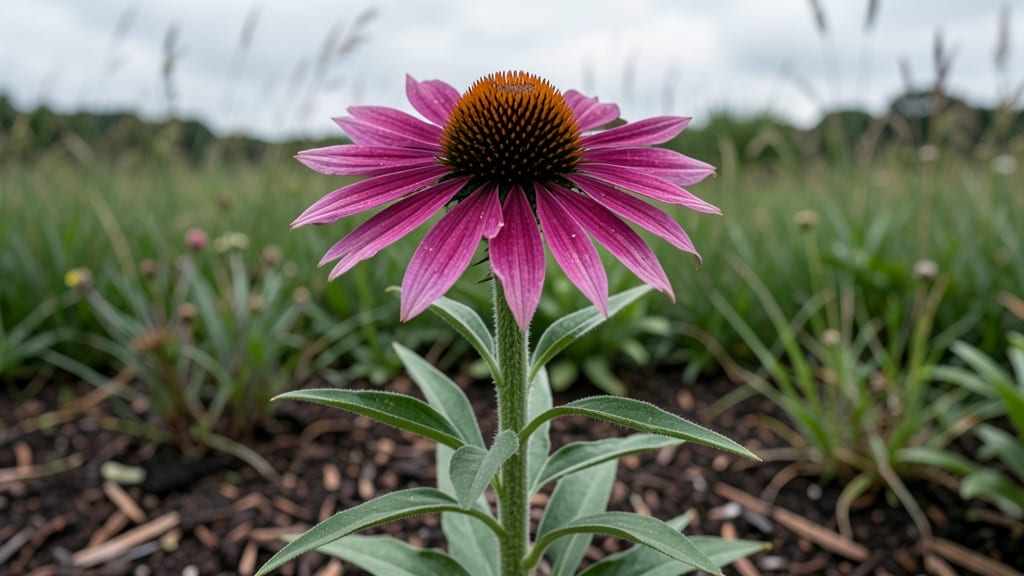
Those papery coneflower seed heads are nature’s secret weapon—dry them now, and you’ll have free plants next spring. 🌻 I’ve saved seeds from my purple coneflowers for years, and every batch produces more blooms than I know what to do with.
The trick is timing: harvest when the heads turn completely brown and crispy, usually in late fall or early winter. Leave them on the stalk until they’re fully mature, then snip with clean shears. Spread them in a dry, well-ventilated spot for 1-2 weeks until the seeds rattle inside.
Store in paper envelopes for up to two years—no fancy equipment needed. Next spring, scatter them in sunny garden beds, and watch for tiny green shoots within weeks. The dried seed heads also add winter interest to arrangements or the garden itself, offering texture long after the blooms fade.
This method works for all coneflowers, whether you’re growing them for pollinators, cutting flowers, or just love their cheerful purple blooms.
📚 In This Guide
- What you need
- Instructions
- Tips and common mistakes
- Wrapping up and next steps
What you need
- ● Dried coneflower seed heads: 5–10 mature, fully dried heads (harvested after frost or when seed fluff turns light brown).
- ● Paper bags or breathable mesh bags: 1–2 (to allow airflow and prevent moisture buildup).
- ● Sharp pruning shears or garden scissors: 1 pair (for clean cuts).
- ● Labeling tags or masking tape + marker: 1 set (to track varieties if saving seeds for propagation).
- ○ Damp paper towels or a shallow tray: 1 (for optional seed revival testing).
- ● Glove: 1 pair (to protect hands from prickly stems).
- ● Small fan or hairdryer (cool setting): 1 (to speed up drying if needed).
- ● Seed-saving envelope or airtight container: 1 (for long-term storage beyond 1 year).
- ● Notebook: 1 (to log harvest dates, varieties, or growth notes).
- ● Wait until after the first frost or when seed heads are fully brown and dry (typically late fall).
- ● Choose healthy plants with no signs of disease or pests.
- ● Work on a dry, well-ventilated day (humidity can accelerate mold).
Step-by-step instructions for harvesting, drying, and storing coneflower seed heads
Here's how to turn this year's spent blooms into next season's star performers—no fancy tools needed.
🌿 Step 1: Harvest Seed Heads at Peak Maturity
Wait until late fall or early winter when the seed heads have fully browned and dried on the plant. The papery petals should crumble easily when touched, and the central cones will feel firm to the touch. I like to harvest on a dry, sunny morning when dew has evaporated—this prevents mold from forming on the damp stems.
Use clean, sharp pruning shears to cut stems about 4-6 inches below the seed head. This extra stem length gives you room to work with when drying. Bundle 10-15 stems together with a rubber band or twine, leaving the seed heads exposed at the top. Hang them upside down in a dry, well-ventilated space like a garage or basement.
💧 Step 2: Dry Seed Heads Thoroughly
Place the bundles where they'll receive indirect airflow—a spot with gentle breezes but no direct sunlight. You want the seed heads to dry slowly and evenly, which prevents cracking. I hang mine from a sturdy hook or nail, making sure the bundles don't touch each other. This takes 2-4 weeks, depending on your home's humidity levels.
Check the seed heads weekly. They're ready when the cones feel light in your hand and the stems snap cleanly when bent. If you notice any mold or fuzzy growth, remove those stems immediately and discard them. The goal is completely dry seed heads—any lingering moisture will ruin your storage efforts.
✂️ Step 3: Process and Store for Next Season
Once fully dry, gently rub the seed heads between your palms to release the seeds. You'll see tiny, dark seeds scatter onto a clean sheet of newspaper or paper towel. Let them sit for 10-15 minutes to allow any remaining chaff to float away—this makes for easier cleaning. Use a soft brush or your fingers to sweep the seeds into a small bowl.
Store the seeds in a paper envelope or breathable cloth bag (plastic traps moisture and causes mold). Label the bag with the variety name and the harvest year. Keep the seeds in a cool, dark place like a seed drawer or pantry. Properly stored, coneflower seeds remain viable for 2-3 years, though they often germinate best when used within the first year.
🌱 Step 4: Revive Seed Heads for Winter Interest
Don't toss those dried seed heads! Leave some attached to stems for winter interest in your garden. Cut the stems to 6-8 inches and place them in a vase with fresh water. The dried blooms add texture and color to holiday arrangements. Change the water every 3-5 days to keep stems hydrated and prevent bacterial growth.
For a rustic look, bundle several stems together with twine and hang them in a doorway or above a fireplace. The papery petals and seed cones create a beautiful, natural display that lasts for months. This is my favorite way to extend the beauty of coneflowers well into winter.
Tips & tricks for perfect coneflower seed heads
Here's what I learned after saving seeds from my garden for years—these little details make all the difference.
Timing is Everything: Harvest those seed heads only after they've fully browned and the papery petals crumble easily. I've learned the hard way that harvesting too early means immature seeds that won't germinate properly. The late fall or early winter timing is crucial for maximum viability—this is when the seeds have completed their natural drying process on the plant.
Bundling Technique: When you bundle your 10-15 stems together, leave those seed heads exposed at the top. I used to wrap everything tightly, but this creates a mini greenhouse effect that traps moisture. The exposed heads dry more evenly, and you'll avoid that dreaded mold that can ruin your entire harvest. A rubber band or twine works perfectly—just don't make it too tight!
Drying Space Matters: For that 2-4 week drying period, I've found the best spots are garages with open windows or basements with good airflow. Direct sunlight can cause cracking, while too much humidity slows drying. I hang mine from a sturdy hook in my basement where I can check them weekly without disturbing the airflow. The key is that gentle breeze—it's what makes the difference between perfectly dried seeds and wasted effort.
Seed Processing Hack: After the 10-15 minutes of letting chaff float away, I've discovered a simple trick: place the newspaper sheet on a baking tray. This makes it much easier to sweep those tiny seeds into your bowl without losing any to the floor. Plus, if you accidentally get some chaff in your bowl, it's simple to pick out while the seeds are still dry.
Pro Tips for Coneflower Seed Heads
- Here's what I learned after saving seeds from my garden for years—these little details make all the difference.
- Timing is Everything: Harvest those seed heads only after they've fully browned and the papery petals crumble easily.
- Bundling Technique: When you bundle your 10-15 stems together, leave those seed heads exposed at the top.
Frequently asked questions
about coneflower seed heads—because even the best gardeners have questions! Here’s what you need to know before drying, storing, or replanting.When is the best time to harvest coneflower seed heads?
Harvest seed heads once they’ve fully matured and turned brown (usually late summer to early fall). Wait until the back of the cone feels dry to the touch—this ensures viability. Pro tip: If birds or squirrels start nibbling, act fast!
How long can I store dried coneflower seeds?
Store seeds in a cool, dry place (like a sealed envelope or jar) for 1–2 years. For best results, label them with the harvest date. After two years, germination rates may drop, so plan to sow fresh seeds annually.
Can I replant coneflower seeds directly from the garden?
Yes! After drying, gently rub the seed head over a paper bag to collect seeds. Scatter them in well-draining soil in early spring or fall. Coneflowers self-seed easily, but thinning seedlings prevents overcrowding.
Why aren’t my coneflower seeds germinating?
Check these fixes:
- Seeds need cold stratification (place in the fridge for 4–6 weeks before planting).
- Ensure soil stays moist but not soggy—dry conditions stall growth.
- Test seed viability by soaking a few in water; floating seeds are likely nonviable.
What if I don’t want to save seeds—can I still enjoy coneflowers?
Deadhead spent blooms in early summer to encourage more flowers (but leave seed heads for wildlife). Alternatively, buy fresh seeds or divide mature plants in spring for instant regrowth.
Wrapping up and next steps
Coneflower seed heads are a gardener’s secret weapon—packed with beauty, resilience, and next-season potential! 🌸 By mastering the art of drying, storing, and reviving them, you’re not just tidying up; you’re setting the stage for a stunning, low-maintenance garden that thrives year after year.
Whether you’re a seasoned green thumb or just starting your gardening journey, these simple steps will turn your fall clean-up into a springtime celebration.
Ready to put your new skills to work? Grab those dried seed heads, grab your gloves, and start planning your next garden layout! Your future blooms—and pollinators—will thank you. 🌿