
Lawn
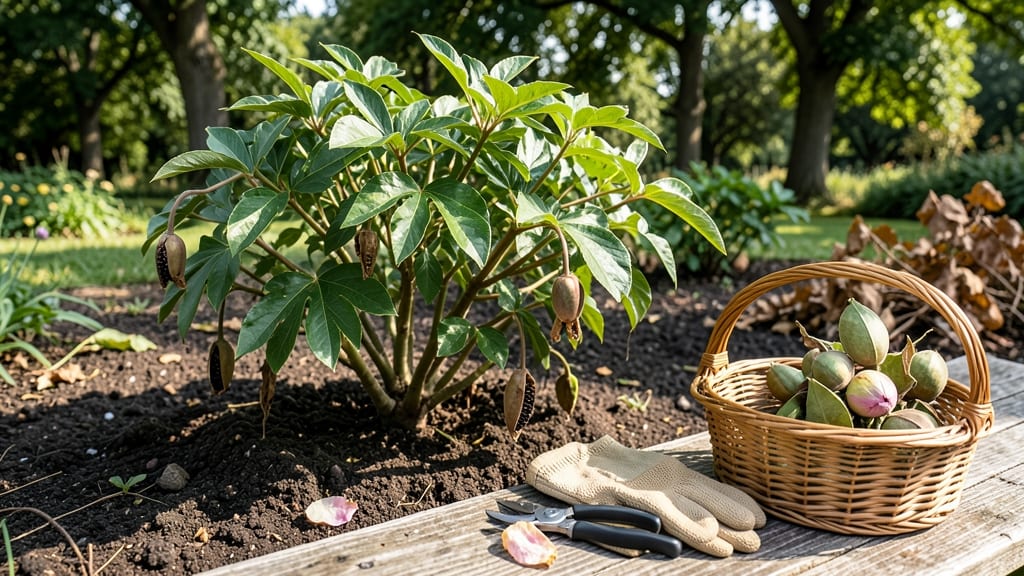
Peony seed pods crack open the easy way—no twisting required. 🌸 I’ve watched these woody, velvety pods split naturally when ripe, revealing tiny black seeds that hold potential (though not always the parent plant’s beauty).
The magic happens in late summer, when the pods turn brown and split wide open on their own.
You’ll need just a few things: gloves to protect your hands from the fuzzy pods, a bucket for collecting seeds, and a dry spot to store them until spring.
The pods typically open between August and September, depending on your climate zone. If you’re in Zone 5-7, aim for early fall harvests.
Germination is where things get tricky—peony seeds rarely grow true to the parent plant, and rates are often low (think 5-20% success). But if you’re breeding new varieties or just curious, these seeds are free garden gold.
Store them in a cool, dry place until you’re ready to test their potential.
For most gardeners, peony division is the better bet—it’s faster, more reliable, and preserves the exact plant you love. But if you’re hooked on the thrill of seed growing, these pods deliver a fun (if unpredictable) challenge. Here’s how to make the most of them!
📚 In This Guide
- What you need
- Instructions
- Tips and common mistakes
- Wrapping up and next steps
What you need
- ● Peony seed pods: Fresh, mature pods (late summer to early fall). Aim for at least 5-10 pods for a good seed harvest.
- ● Sharp pruning shears or scissors: Bypass pruners (clean, sharp blades) to snip pods without crushing them.
- ● Paper towels or newspaper: For drying and storing seeds—2-3 sheets should suffice.
- ● Small paper bags or envelopes: 2-4 breathable bags (like coffee filters or seed-saving envelopes) to store seeds.
- ● Labeling markers or tags: To mark seed varieties and harvest dates.
- ○ Gloves (optional): Nitrile or cotton gloves if your skin is sensitive to peony sap.
- ● Magnifying glass: For inspecting seed viability up close.
- ● Desiccant packets: Tiny silica packets to keep seeds dry during storage.
- ● Seed tray or shallow container: For germinating seeds later (if you plan to grow new peonies!).
- ● Camera or phone: To document your harvest—because peony pods are stunning!
How to harvest peony seeds without twisting the pods
Peony seed pods seem tricky, but this method makes harvesting seeds effortless—no stubborn twisting required.
🌱 Step 1: Identify and Wait for Ripe Pods
Peony seed pods turn from green to a papery brown when fully ripe, usually in late summer or early fall. You’ll know they’re ready when the pod feels dry and papery to the touch—almost like crumpled paper. Avoid harvesting too early; immature pods won’t open naturally and may rot.
I like to check pods weekly once they start turning brown. If the pod splits open on its own, that’s your signal—gently remove it from the plant. If it’s still closed but dry, it’s ready for the next step. Don’t worry about timing too precisely; peony pods stay viable for weeks once fully dry.
💧 Step 2: Soften the Pods for Easy Opening
Place the dry pods in a paper bag and store them in a cool, dry place for 3-5 days. This mimics natural weathering and makes the pods easier to open without twisting. The goal isn’t to rot the pods but to let them dry out completely—this prevents the seeds from sticking to the pod walls.
I’ve found that a dark closet or garage works well. Avoid damp areas, as moisture will cause the pods to mold instead of softening. After a few days, you’ll notice the pods feel lighter and slightly brittle—this is exactly what you want.
✂️ Step 3: Crack Open the Pods Gently
Lay the pod flat on a clean surface, like a cutting board or sheet of paper. Use a small, sharp knife or your fingernail to carefully score along one seam of the pod. Apply just enough pressure to create a tiny slit—you’re not trying to cut it open, just guide the natural crack.
The pod will often split open on its own once you’ve started the crack. If it resists, tap it lightly with the knife handle to encourage the split. You’ll see the seeds inside, which look like tiny, flat beans. Be patient—rushing will damage the seeds or leave fragments behind.
🌿 Step 4: Extract and Store the Seeds
Once the pod is fully open, use a small spoon or your fingers to gently scoop out the seeds. Place them on a clean, dry surface to air-dry for another 1-2 days. This ensures any remaining moisture evaporates, which is critical for long-term seed storage.
Store the dried seeds in a small envelope or airtight container in a cool, dark place. Peony seeds can remain viable for 1-2 years if kept dry. Label the container with the date and variety—peony seeds are slow to germinate, so tracking helps with patience!
⏰ Step 5: Plant or Store for Future Use
If you’re planting right away, sow the seeds in well-draining soil, barely covering them with ¼ inch of mix. Peony seeds need cold stratification—place the pots outside in a protected spot over winter, or refrigerate them for 3-4 months before planting. This mimics natural conditions and boosts germination rates.
If you’re storing them, keep the seeds in a sealed container with a moisture absorber like silica gel. Check them occasionally to ensure they haven’t developed mold. Peonies are worth the wait—germination can take 6 months to 2 years, but the results are stunning.
Tips & tricks for perfect peony seed harvesting
This gentle approach to opening peony seed pods saves you from frustrating struggles—here's how to make it even easier.
Ripeness Test: In Step 1, when checking for ripe pods, give them a little squeeze—if they feel like crumpled paper and make a slight rustling sound, they're ready. I've found that pods left on the plant too long can become brittle and crumble when handling, so harvest them as soon as they reach this papery stage. The seeds stay viable for weeks once fully dry, so don't stress about perfect timing.
Softening Strategy: For Step 2's 3-5 day softening period, I recommend placing the pods in a mesh produce bag instead of a paper bag. This allows for better airflow while still keeping them contained, which speeds up the drying process slightly. If you're short on time, you can extend this to 7 days (optional) for especially stubborn pods, but the standard 3-5 days works beautifully for most varieties.
Scoring Technique: When scoring the pods in Step 3, use a butter knife instead of a sharp knife if you're concerned about damaging the seeds. The goal is to create just a tiny slit—about 1/8 inch—that guides the natural crack. I've seen beginners try to cut too aggressively, which can actually make the pods more resistant. Think of it like making a small door for the seeds to escape through.
Seed Storage Hack: For Step 4's storage, add a small packet of silica gel to your seed container if you're storing them long-term. This helps maintain dryness even in humid environments. I also recommend writing the harvest date directly on the container with a permanent marker—this prevents mix-ups if you're storing multiple varieties. The seeds will keep their viability for up to 2 years when stored properly.
Pro Tips for Peony Seed Pods
- This gentle approach to opening peony seed pods saves you from frustrating struggles—here's how to make it even easier.
- Ripeness Test: In Step 1, when checking for ripe pods, give them a little squeeze—if they feel like crumpled paper and make a slight rustling sound, they're ready.
- Softening Strategy: For Step 2's 3-5 day softening period, I recommend placing the pods in a mesh produce bag instead of a paper bag.
Frequently asked questions
Got questions about peony seed pods? You’re not alone!
Here are some of the most common queries—plus clear, practical answers to help you master seed harvesting without the fuss.
When do peony seed pods mature and crack open?
Peony seed pods typically mature in late summer to early fall (August–October, depending on your climate). They’ll turn brown and papery before splitting open on their own—no twisting required! If pods stay green or soft, they’re not ready yet. Pro tip: Harvest seeds when pods are fully dry but still intact to avoid premature loss.
How long does it take for peony seed pods to open naturally?
Once mature, peony seed pods usually crack open within 1–2 weeks after drying. Humidity and temperature speed up the process—dry, warm days help them split faster. If pods resist, gently tap them to encourage opening. Warning: Rain or high humidity can cause pods to rot before splitting, so harvest seeds promptly!
What should I do if my peony seed pods won’t crack open?
If pods stay closed, they may need extra drying time. Try these fixes:
- Place pods in a paper bag with a silica gel packet for 3–5 days.
- Store them in a warm, dry spot (like a sunny windowsill).
- If still stubborn, squeeze gently—seeds will pop out when ready.
Bonus: Overripe pods may crumble, so act fast once they’re brown!
Can I use peony seed pods for anything besides seeds?
Beyond seeds, peony pods add rustic texture to:
- Dried floral arrangements (place in a vase for a natural, organic look).
- Homemade potpourri (mix with lavender or rosemary for a fragrant touch).
- Art projects (kids love crafting with their unique shapes!).
Tip: Remove seeds first to avoid pests in stored bundles!
Are there alternative peony varieties with easier seed pods?
Most peony varieties (like Paeonia lactiflora or Paeonia officinalis) follow the same natural cracking process. However, tree peonies (Paeonia suffruticosa) produce larger, firmer pods that may need a slight twist to release seeds. For hassle-free harvesting, choose herbaceous peonies—their pods split more reliably!
Wrapping up and next steps
Peony seed pods offer a unique and rewarding way to propagate these stunning perennials—no twisting required! 🌸 By understanding their lifecycle, gathering the right tools, and following simple steps, you can easily harvest seeds and nurture new plants.
Whether you're a seasoned gardener or a curious beginner, these pods unlock a hands-off, nature-driven approach to growing peonies.
Ready to give it a try? Start by observing your peony plants this season—your garden’s next beauty might just be waiting inside those pods! 🌱