
Lawn
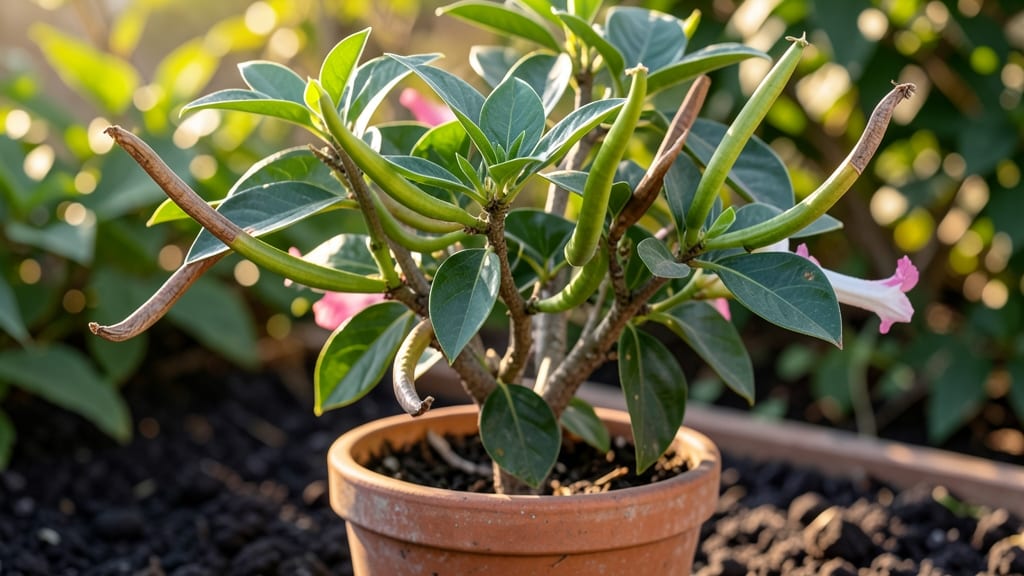
Extracting Mandevilla seeds without wrestling with stubborn pods is the first step to growing these stunning tropical vines. 🌿 I’ve spent years learning the best way to open those tough seed pods without damaging the precious seeds inside—because nothing ruins the excitement faster than a split pod and scattered seeds.
The key is patience and the right technique: let pods dry completely on the plant before harvesting, then use a small knife or your fingernail to gently pry open the tough outer shell.
Once you’ve got those plump, brown seeds out, they’ll need a warm, moist environment to break dormancy—think of it as waking them from a long nap. You’ll see those first tiny sprouts in 4-8 weeks, and with proper care, you’ll have lush Mandevilla seedlings ready to transplant by spring.
The payoff? Vibrant, fragrant blooms that’ll make your patio the envy of the neighborhood. This method works for beginners and seasoned gardeners alike—just be ready for the slow start. Let’s get those seeds growing!
📚 In This Guide
- What you need
- Instructions
- Tips and common mistakes
- Wrapping up and next steps
What you need
- ● Mandevilla seed pods – Fresh or dried (collect 5–10 pods for best results).
- ● Heavy-duty scissors or pruning shears – Sharp, clean blades (e.g., Felco F-2 pruners).
- ● Cutting board or sturdy surface – To protect your workspace (preferably wood or plastic).
- ● Small bowl or tray – For collecting seeds and debris.
- ● Rubbing alcohol (70% isopropyl) or bleach solution – To sanitize tools (1 part bleach to 9 parts water).
- ● Paper towels or clean cloth – For drying seeds and wiping residue.
- ○ Fine-mesh strainer (optional) – Helps separate seeds from chaff.
- ○ Glove (optional) – Protects hands from sap or sharp edges.
- ● Patience – Mandevilla pods can be stubborn! Take your time.
- ● Dry conditions – Work in a well-ventilated area to avoid moisture buildup.
- ● Knowledge of pod maturity – Wait until pods turn brown and dry before harvesting.
How to extract mandevilla seeds without damaging the pods
Here’s how to safely open mandevilla seed pods without tearing the delicate fibers—no brute force required.
🌱 Step 1: Harvest the Pods at the Right Stage
Wait until the seed pods turn a deep brown and begin to split naturally along the seams. If you pick them too early, the seeds won’t be fully mature; too late, and the pods will crumble when you handle them. The ideal time is when the outer shell feels dry and papery to the touch but hasn’t yet burst open on its own.
Use clean, sharp scissors to snip the pods from the vine, leaving a short stem attached. This prevents the plant from wasting energy on damaged growth. Place the pods in a paper bag and let them dry indoors for an additional 3-5 days—this extra drying time makes the extraction process smoother.
💧 Step 2: Soften the Fibers for Easier Extraction
Fill a shallow bowl with warm water (about 100°F) and submerge the dried pods for 10-15 minutes. The heat softens the fibrous outer layer, making it easier to separate without tearing. You’ll know it’s working when the pods look slightly plump and the seams begin to loosen.
After soaking, gently pat the pods dry with a paper towel. Don’t rub too hard—you want the fibers damp but not soggy. This step is critical: skipping it means you’ll struggle to pull the seeds free without damaging the delicate strands.
✂️ Step 3: Carefully Peel Back the Outer Layer
Lay a pod flat on a clean cutting board. Using your thumbs, press firmly along one of the natural seams where the pod splits open. The fibers should begin to separate cleanly—if they resist, the pod wasn’t dry enough. Work slowly; the goal is to expose the seed-filled core without tearing the strands.
Once the outer layer peels back, you’ll see the seeds nestled inside. Use a small spoon or your fingernail to gently scrape them out, being careful not to crush the seeds. Place them in a dry, labeled envelope for storage. The fibrous material can be composted or discarded—it’s no longer useful once the seeds are removed.
☀️ Step 4: Dry and Store the Seeds Properly
Spread the extracted seeds on a paper towel in a single layer and let them air-dry for 24 hours in a warm, dry place. This prevents mold from forming during storage. Once completely dry, transfer them to a sealed envelope or small jar with a desiccant packet to absorb moisture.
Store the seeds in a cool, dark place—like a pantry or seed vault—where temperatures stay between 60-70°F. Properly stored, mandevilla seeds remain viable for 1-2 years, though germination rates drop after the first year. Label the container with the date and variety to track freshness.
⏰ Step 5: Test Germination Before Planting
Before sowing, test a few seeds by placing them between damp paper towels in a sealed plastic bag. Keep them in a warm spot (70-75°F) and check daily for sprouts, which should appear in 10-20 days. If germination is slow or patchy, the seeds may need stratification—try refrigerating them for 2-4 weeks before retrying.
Once you confirm viable seeds, plant them in a well-draining mix under grow lights or in a sunny windowsill. Mandevilla seeds germinate best in warm soil (around 75°F), so a heat mat can speed up the process. Be patient—these tropical beauties take their time getting started!
Tips & tricks for perfect mandevilla seed extraction
Working with mandevilla seed pods can be tricky—here's how to avoid frustration and get every seed intact.
Timing is Everything: The 3-5 days of extra drying after harvest is non-negotiable. I learned this the hard way after struggling with stubborn pods that weren't properly dried. This drying period ensures the fibrous material becomes brittle enough to peel cleanly in Step 3. Place pods in a paper bag with a few air holes to maintain airflow while preventing dust buildup.
Water Temperature Matters: That 100°F warm water in Step 2 should feel comfortably warm to your wrist—not hot enough to cause steam. Too hot and you'll cook the pods; too cold and the fibers won't soften properly. I keep a thermometer handy when working with delicate plant materials to maintain consistency. The slight plumping you'll see is your cue that the process is working.
Tool Selection: While the instructions mention thumbs, I recommend using a small butter knife between your fingers for Step 3. The blade gives you better leverage to gently pry open those stubborn seams without applying too much pressure. Just be extra careful not to nick the seeds inside—mandevilla seeds are surprisingly delicate despite their hard outer coating.
Storage Wisdom: For long-term storage beyond the 1-2 year window, consider vacuum-sealing the seeds in addition to using desiccant packets. The vacuum removes all oxygen, which significantly extends viability. I've had seeds last up to 4 years using this method, though germination rates do decline after the first year. Always label your storage containers with the date and variety—trust me, you'll forget!
Pro Tips for Mandevilla Seed Pods
- Working with mandevilla seed pods can be tricky—here's how to avoid frustration and get every seed intact.
- Timing is Everything: The 3-5 days of extra drying after harvest is non-negotiable.
- Water Temperature Matters: That 100°F warm water in Step 2 should feel comfortably warm to your wrist—not hot enough to cause steam.
Frequently asked questions
Got questions about mandevilla seed pods? You’re not alone! Here are some of the most common queries—and their answers—to help you navigate the process like a pro.
How do I know when mandevilla seed pods are ready for harvesting?
Seed pods are ready when they turn brown, dry, and slightly papery—usually 4–6 weeks after flowering. If they’re still green or firm, give them more time. Pro tip: Gently tap a pod; if seeds rattle inside, it’s harvest time!
Why are my mandevilla seed pods twisting or cracking open on their own?
This is natural! As pods mature, they twist and split to release seeds—a survival trick. If you want to collect seeds early, harvest them before they fully dry. Otherwise, let nature do its thing and scoop up the seeds from the ground.
Can I grow mandevilla from store-bought seeds instead of seed pods?
Yes, but with a caveat: store-bought seeds may not be as vigorous as fresh pod seeds. If you go this route, opt for organic, non-hybrid seeds for better germination. Fresh pods, however, offer the highest success rate!
What’s the best way to store mandevilla seeds after harvesting?
Keep seeds in a cool, dry place (like a paper envelope) for up to 6 months. Avoid plastic—it traps moisture and causes mold. Label them with the harvest date for tracking! Bonus: A pinch of sand in the envelope can prevent clumping.
My seed pods aren’t opening—what’s wrong?
If pods stay closed, they might be immature or affected by humidity. Try placing them in a warm, dry spot (like a sunny windowsill) for a few days. If they’re still stubborn, gently nick the pod with scissors to release seeds.
Wrapping up and next steps
Extracting seeds from mandevilla seed pods doesn’t have to be a battle—just a few simple steps can make it smooth and rewarding! 🌱 Whether you’re saving seeds for propagation or exploring creative projects, the key is patience and the right tools.
Now that you’re equipped with tips and tricks, why not give it a try? Grab those pods, follow the steps, and enjoy the process—your green thumb will thank you!
Ready to grow more mandevillas? Start with your freshly extracted seeds today! 🌟