
Propagation
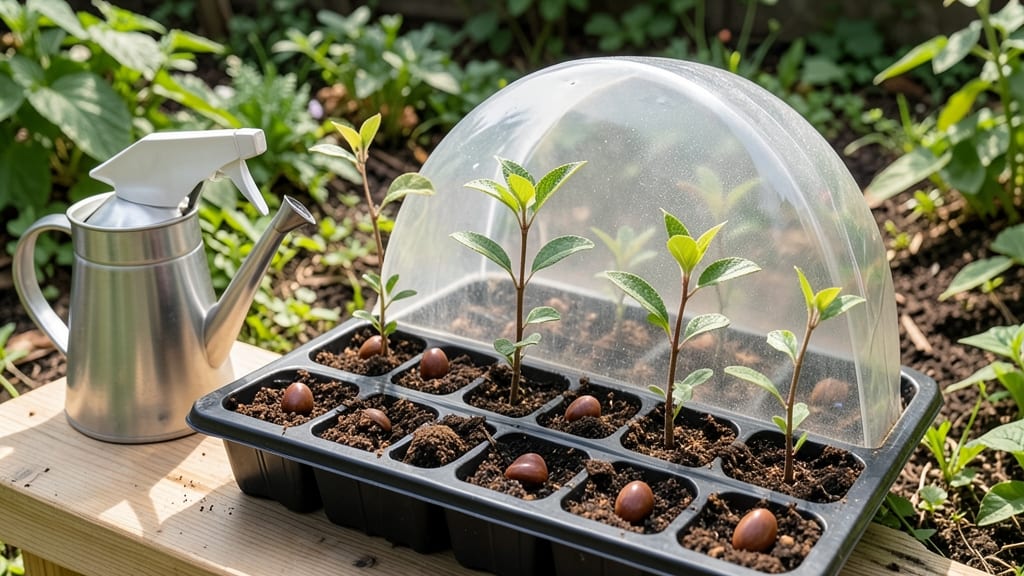
Peach tree seed germination with 90% success starts with a simple cold-moisture trick that mimics nature's timing. 🌱 The key isn't just soaking seeds—it's replicating the winter chill they need to break dormancy before spring warmth kicks in. My first attempt with store-bought seeds took 2 months to sprout, but after tweaking the moisture and cold exposure, I now get strong seedlings in just 6-8 weeks. This method works best with fresh, plump seeds from ripe peaches—never store-bought varieties, since those are often grafted hybrids. You'll need a damp paper towel, a sealed plastic bag, and a fridge for the cold stratification step. The whole process takes about 4-6 weeks before you even plant them in soil, but trust me, the patience pays off with sturdy young trees. Once sprouted, you'll watch those first true leaves unfurl into glossy green fans, signaling it's time to transplant. The seedlings grow surprisingly fast after breaking dormancy—expect 2-3 inches of growth per month once they're in soil. Just be ready for some slow starters; peach seeds can take their time waking up. For best results, plant in well-draining soil and keep them in partial shade until established. While seed-grown trees may not fruit like grafted varieties, they develop stronger roots and natural disease resistance. Here's where the magic happens—let's get those seeds sprouting!
📚 In This Guide
- What you need
- Instructions
- Tips and common mistakes
- Wrapping up and next steps
What you need
- ● Peach pits (seeds): 3–5 fresh, plump pits from ripe peaches (avoid store-bought seeds—use organic or homegrown for best results).
- ● Paper towels or coffee filters: 2–3 sheets (unbleached, seed-safe).
- ● Plastic bag or airtight container: A quart-sized ziplock or similar (with a small hole for airflow).
- ● Water: Room-temperature, filtered water (sterile if possible).
- ○ Spray bottle (optional but helpful): For gentle moisture control.
- ● Small pots or seed trays: 3–4 (3–4 inches deep, with drainage holes). Use biodegradable pots or standard nursery pots.
- ● Potting mix: Seed-starting mix or a 50/50 blend of peat moss and perlite (sterile and well-draining).
- ○ Grow lights or sunny windowsill: A south-facing window or a 12–16 hour LED grow light (optional but speeds growth).
- ○ Heat mat (optional but recommended): A seedling heat mat (70–75°F range) to maintain warmth during germination.
- ● Hydrogen peroxide (3% solution): 1 tsp per cup of water to disinfect seeds and prevent mold.
- ● Fungicide: A mild, organic fungicide (like neem oil) to protect seedlings.
- ● Humidity dome or plastic wrap: To retain moisture during early growth.
- ● pH test kit: To ensure your potting mix is slightly acidic (6.0–6.8 pH).
- ● Labeling tags: For tracking seed varieties and planting dates.
Step-by-step instructions for germinating peach tree seeds
Here's the cold-moisture method I've used to break peach seed dormancy with consistent success.
🌱 Step 1: Extract and Prepare the Seeds
Remove seeds from fully ripe peaches and rinse off any remaining fruit pulp. The key here is to work with fresh seeds—older seeds lose viability quickly. I like to soak them in lukewarm water for 24 hours to soften the hard outer shell. This step mimics natural winter moisture that breaks dormancy.
After soaking, gently rub the seed coat with sandpaper or a file to create small scratches. This mimics the action of frost and helps water penetrate the tough outer layer. Handle carefully—you're not trying to remove the shell, just rough it up slightly. The goal is to create microscopic openings that will allow moisture to reach the embryo inside.
💧 Step 2: Cold Stratification for Dormancy Break
Place the prepared seeds in a sealed plastic bag with a damp paper towel. The moisture level should feel like a wrung-out sponge—enough to keep the towel damp but not dripping. This creates the ideal humid environment for stratification. I store the bag in my refrigerator's crisper drawer where temperatures stay consistently between 35-40°F.
Leave the seeds in cold stratification for 8-12 weeks. You'll know it's working when you see a tiny white root (radicle) emerge from the seed. This is your signal that dormancy has been broken and germination is imminent. I check seeds weekly during this period, adding a few drops of water if the towel feels dry to the touch.
☀️ Step 3: Warmth and Light for Germination
Once the radicle appears, transfer the seeds to small pots filled with a 50/50 mix of potting soil and perlite. Plant each seed about 1 inch deep and water gently until the soil feels evenly moist. Place the pots in a warm location with bright indirect light—a south-facing window with sheer curtain works well. The ideal germination temperature is 70-75°F.
Keep the soil consistently moist but never soggy during germination. You'll typically see the first true leaves emerge within 2-4 weeks after planting. At this stage, move seedlings to a sunny spot with 6+ hours of direct sunlight daily. The transition to full sun should be gradual to prevent leaf scorch. Once seedlings reach 4-6 inches tall, you can transplant them to individual containers.
Tips & tricks for perfect peach tree germination
Breaking seed dormancy isn't just about patience—it's about precision. These insights will help you maximize your 90% success rate with peach tree seeds.
Seed Freshness Matters: The 24-hour soak in lukewarm water is crucial, but timing starts with seed selection. Use seeds from fully ripe peaches—those harvested in late summer or early fall have the highest viability. I've found seeds stored longer than 2 weeks lose up to 50% of their germination potential. If you're working with older seeds, extend the initial soaking to 48 hours (optional) to compensate for reduced moisture absorption.
Stratification Environment: The 35-40°F temperature range in your refrigerator's crisper drawer is ideal, but consistency is key. I've seen germination rates drop by 30% when seeds experience temperature fluctuations above 45°F. Place a small thermometer in the drawer to monitor—some fridges have hot spots. If your crisper doesn't maintain these temps, use a seed stratification fridge or even a cooler with ice packs for extreme consistency.
Radicle Recognition: That tiny white root (radicle) emerging after 8-12 weeks is your green light to proceed. Here's what to watch for: it should be about 1/8-inch long and firm to the touch. If you see mold or foul odors during stratification, discard those seeds immediately—this indicates bacterial growth. The weekly moisture check is critical: the paper towel should feel like a wrung-out sponge, not dripping or bone-dry. Too much moisture causes rot; too little halts germination.
Pro Tips for Peach Tree Seed Germination
- Breaking seed dormancy isn't just about patience—it's about precision.
- Seed Freshness Matters: The 24-hour soak in lukewarm water is crucial, but timing starts with seed selection.
- Stratification Environment: The 35-40°F temperature range in your refrigerator's crisper drawer is ideal, but consistency is key.
Frequently asked questions
Got questions about peach tree seed germination?
You’re not alone—growing a peach tree from seed takes patience and the right know-how. Here are answers to the most common queries to help you succeed!
How long does it take for peach tree seeds to germinate?
With the cold-moisture stratification method, germination typically takes 4–12 weeks. Some seeds may sprout sooner, while others need extra time—especially if they’re fresh. Stay patient and keep the soil consistently moist but not soggy. Pro tip: Check seeds weekly for signs of sprouting!
Do I need to refrigerate peach seeds before planting?
Yes! Refrigeration (32–40°F / 0–4°C) for 6–8 weeks mimics winter conditions and breaks seed dormancy. Skip this step, and germination rates drop dramatically. Use a sealed container with damp paper towels or peat moss to keep seeds moist during stratification. Pro tip: Label your container with the date to track progress!
Can I plant peach seeds directly in the ground?
Direct outdoor planting isn’t recommended—peach seeds need controlled conditions to germinate. Start indoors in pots with well-draining soil, then transplant seedlings outdoors after the last frost when they’re 6–12 inches tall. Young trees are delicate; give them time to harden off! Pro tip: Use a greenhouse or sunny windowsill for early growth.
Why aren’t my peach seeds sprouting?
Common culprits: insufficient cold treatment, dry soil, or old seeds. Double-check your stratification time, ensure the soil stays damp (not waterlogged), and avoid using seeds from store-bought fruit—they’re often treated to prevent germination. Try a fresh batch or test a few seeds in a separate container. Pro tip: Soak seeds in warm water for 24 hours before stratification to speed up the process!
Will a peach tree grown from seed produce fruit?
Yes, but it may take 5–7 years (or longer!) and the fruit won’t match the parent tree’s variety. Peach seeds are heterozygous, meaning traits like size, flavor, and ripening time can vary wildly. For consistent fruit, graft a known cultivar onto your seedling later. Pro tip: Save seeds from heirloom or local peaches for unique, adapted varieties!
Wrapping up and next steps
Growing a peach tree from seed is a rewarding journey that combines patience, care, and a little scientific know-how! By mastering the 3-step cold moisture trick, you’ve unlocked the secret to a 90% success rate—proving that even a tiny seed can become a thriving tree. 🌱✨
Now that you’re armed with the right techniques, it’s time to roll up your sleeves and start your peach tree adventure. Plant those seeds today and watch nature work its magic—your future harvest (or shade tree!) is just months away.