
Propagation
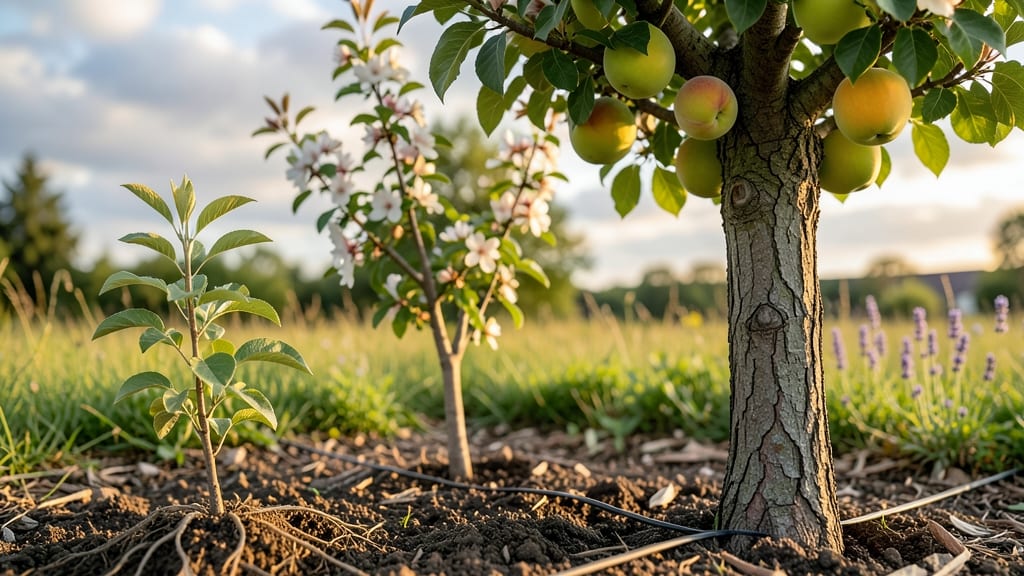
Growing a peach tree from seed to fruit takes patience—but the first bite of that homegrown peach makes every season worth it. 🌱 I've watched my own seedling grow from a fragile sprout to a tree heavy with fuzzy, sun-warmed fruit, and I'm sharing the exact steps that turned my experiment into a sweet success.
The key? Understanding that this journey spans two years, with each season teaching you something new about your tree's personality.
You'll need a few simple supplies: peach pits from organic fruit (never store-bought), well-draining soil mix, a sunny spot with at least 6 hours of light daily, and basic pruning tools.
The real magic happens in the first year when you nurture that tiny seedling through its first winter, then guide it into strong growth the following spring. Most people quit here—but the fruit comes in year two, and that's when the real reward arrives.
By the time you're harvesting, you'll recognize the signs of a healthy tree: glossy leaves, sturdy branches, and those telltale pink blossoms in spring. The fruit might not match store-bought peaches at first, but each year your tree matures, the flavor deepens and the harvest grows.
The biggest challenge? Pollination—peach trees need cross-pollination, so plant two varieties if you want reliable fruit.
This method works for any climate zone where peaches thrive (zones 5-9), though colder regions may need winter protection. The first year is all about building roots; the second is about shaping the tree for fruit production.
Stick with it, and you'll have a tree that feeds you for decades—starting with just one pit from last summer's picnic.
📚 In This Guide
- What you need
- Instructions
- Tips and common mistakes
- Wrapping up and next steps
What you need
- ● Peach pit: 1 fresh, high-quality pit from a ripe, organic peach (avoid store-bought pits treated to prevent sprouting).
- ● Well-draining potting mix: 1 bag (1–2 cubic feet) of a blend designed for seedlings or seed-starting mix (e.g., Miracle-Gro Seed Starting Potting Mix).
- ● Small pots or seed trays: 2–4 biodegradable pots (2–3 inches deep) or a seed tray with individual cells (for easy transplanting).
- ● Grow lights or sunny windowsill: A full-spectrum LED grow light (e.g., Spectrum 9000 Series) or a south-facing window with at least 6–8 hours of sunlight daily.
- ● Spray bottle: 1 for gentle watering (avoid over-saturating the soil).
- ● Plastic wrap or humidity dome: 1 sheet to create a mini greenhouse and retain moisture.
- ● Fertilizer: A balanced, water-soluble fertilizer (e.g., 10-10-10 NPK) for seedlings.
- ● Larger container or garden bed: A 5-gallon pot or outdoor plot (1–2 feet deep) with well-draining soil for transplanting after 6–12 months.
- ● Soil moisture meter: To monitor water levels without overwatering.
- ● Rooting hormone: Speeds up germination (e.g., Rooting Gel).
- ● Epsom salt: A spoonful in water (1 tbsp/gal) for magnesium boost during early growth.
- ● Pest control: Neem oil or insecticidal soap for aphids or mites.
- ● Pruning shears: For shaping the tree in later stages.
- ● Pollination aid: A small paintbrush to hand-pollinate flowers if growing indoors.
Step-by-Step instructions for growing a peach tree from seed to fruit
Here's how to nurture a peach tree from a seed to a fruiting plant—it takes patience, but the reward is worth it.
🌱 Step 1: Stratify and Germinate the Peach Pit
Extract the seed from a fresh, ripe peach and rinse off any remaining fruit. Place the pit in a small container and cover it with moist paper towels or a damp cloth. Seal it in a plastic bag and refrigerate for 6-8 weeks—this cold treatment mimics winter and breaks dormancy. Check weekly to ensure the towels stay moist but not soggy.
After 6-8 weeks, transfer the pit to a small pot filled with well-draining potting mix. Plant it 1 inch deep and keep the soil consistently moist. Place the pot in a warm, sunny spot (around 70°F) and cover it with plastic wrap to retain humidity. Germination can take 4-8 weeks, so be patient—you'll see a tiny sprout emerge when conditions are just right.
☀️ Step 2: Transplant and Care for the Seedling
Once the seedling develops its first true leaves (not just the initial cotyledons), it's ready to move to a larger pot. Choose a container with drainage holes and fill it with a mix of potting soil and perlite (half and half) to prevent root rot. Transplant carefully, keeping the soil level the same as before to avoid shocking the roots.
Place the seedling in a sunny window or under a grow light for 12-14 hours daily. Water when the top 1 inch of soil feels dry, but avoid overwatering—peach seedlings are sensitive to too much moisture. Fertilize lightly with a balanced 10-10-10 fertilizer once a month to encourage steady growth. You'll notice new leaves forming within a few weeks, signaling healthy development.
🌿 Step 3: Prepare for Outdoors and Harden Off
After the seedling reaches 12-18 inches tall and has 5-7 true leaves, it's time to prepare it for outdoor life. Start by placing it outside in a sheltered spot for 1-2 hours daily, gradually increasing exposure over 2-3 weeks. This process, called hardening off, helps the seedling adjust to wind, sun, and temperature changes without shock.
Choose a permanent outdoor location with full sun exposure (at least 6-8 hours daily) and well-draining soil. Plant the seedling in early spring, after the last frost date, ensuring the soil is warm enough to support root growth. Water deeply after planting to settle the soil around the roots. Mulch around the base to retain moisture and protect the young tree from temperature swings.
⏰ Step 4: Nurture the Young Tree for Fruit Production
During the first year, focus on establishing a strong root system and trunk. Prune any weak or crossing branches to encourage a sturdy structure. In the second year, you can begin fertilizing more regularly with a balanced fruit tree fertilizer in early spring and again after harvest. Peach trees typically take 3-5 years to bear fruit from seed, so consistency is key—water deeply once a week during dry spells and prune annually to maintain shape and airflow.
Watch for signs of pests like aphids or peach tree borers, and treat them promptly with organic sprays if needed. You'll know your tree is thriving when it blooms in spring—though seed-grown peaches may not be true to the parent fruit, the process of growing your own tree is incredibly rewarding. Patience pays off as you watch buds form and eventually ripen into sweet, homegrown peaches.
Tips & tricks for perfect peach tree cultivation
Growing a peach tree from seed takes careful attention—here's how to avoid common pitfalls and maximize success.
Stratification Secret: The 6-8 weeks of cold treatment in Step 1 is non-negotiable for breaking dormancy. If your kitchen is warmer than 65°F, place the sealed bag on your fridge's crisper drawer shelf where it's consistently cool. The goal is to mimic winter conditions—think of it like giving your seed a mini hibernation before spring awakens it.
Germination Timing: Those 4-8 weeks of germination can feel like forever, but don't rush it! The key is consistency—keep the soil at 70°F and moist like a wrung-out sponge. If you notice mold or foul smells, that means it's too wet. A small fan on low setting near the pot can help prevent fungal growth while maintaining humidity.
Transplanting Technique: When moving your seedling in Step 2, water it thoroughly the day before transplanting. This helps reduce shock by keeping roots hydrated. Use a small trowel to loosen the soil around the edges of the original pot—this encourages roots to spread outward rather than circling, which can strangle growth later. The half-and-half soil mix is crucial for preventing root rot while still providing nutrients.
Harden Off Gradually: The 2-3 week hardening process in Step 3 is where most seedlings fail. Start with just 1-2 hours in partial shade, then gradually increase exposure. Watch for wilting or yellowing leaves—these are signs you're moving too fast. A simple trick: place a white sheet over the seedling for the first few days to filter sunlight while still letting it adapt to outdoor conditions.
Pro Tips for Peach Tree From Seed To Fruit
- Growing a peach tree from seed takes careful attention—here's how to avoid common pitfalls and maximize success.
- Stratification Secret: The 6-8 weeks of cold treatment in Step 1 is non-negotiable for breaking dormancy. If your kit...
- Germination Timing: Those 4-8 weeks of germination can feel like forever, but don't rush it! The key is consistency—k...
Frequently asked questions
Got questions about growing a peach tree from seed to fruit? You’re not alone! Here are answers to the most common queries to help you navigate your two-year journey with confidence.
How long does it take for a peach seed to sprout?
A peach seed typically sprouts within 10–21 days after planting, depending on moisture, temperature (60–75°F is ideal), and seed viability. Keep the soil consistently damp but not soggy, and place the pot in bright, indirect light. Patience is key—some seeds may take longer, especially if cold-stratified!
Will my peach tree from seed produce fruit in two years?
Unlikely! While you’ll have a sturdy seedling in two years, peach trees grown from seed often take 5–7 years to bear fruit (if they’re even true to type). For faster results, consider grafting a known variety onto your seedling later. Seed-grown trees may also produce unpredictable fruit—bitter, small, or inedible—due to genetic variability.
Can I grow a peach tree from a grocery store peach?
Yes, but with a few caveats! Store-bought peaches are often treated with fungicides or wax coatings that may inhibit germination. To improve success, soak the seed in water for 24–48 hours before planting, then cold-stratify it for 4–6 weeks in the fridge. Choose organic or fresh peaches when possible for better odds.
Why did my peach seedling’s leaves turn yellow or wilt?
Yellowing leaves (chlorosis) or wilting often signal overwatering, underwatering, or pests. Check the soil moisture—peach seedlings prefer slightly dry soil between waterings. Inspect for aphids or spider mites (common on young trees) and treat with neem oil if needed. Ensure the pot has drainage holes to prevent root rot. A weak seedling might also need more light!
Should I plant my peach seedling directly in the ground or keep it in a pot?
Start in a pot (5–7 inches deep) for the first year to control conditions and protect from harsh weather. Once your seedling is 12–18 inches tall with strong roots, transplant it to the ground in spring after the last frost. Choose a sunny spot with well-draining soil (peach trees hate soggy roots!). If you live in a cold climate, wait until the tree is at least 2–3 years old before planting outdoors.
Wrapping up and next steps
Growing a peach tree from seed to fruit is a rewarding journey that blends patience, care, and a little bit of magic 🌱✨.
While the process takes time—often two years or more—each step, from planting that tiny seed to savoring your first homegrown peach, is a testament to nature’s beauty and your dedication.
Now that you’re armed with the right knowledge, why not take the next step? Share your progress with fellow gardeners, experiment with different peach varieties, or even gift a seedling to a friend. Your green thumb is about to bloom into something truly sweet!
Happy growing—and may your harvest be plentiful! 🍑💚