
Lawn
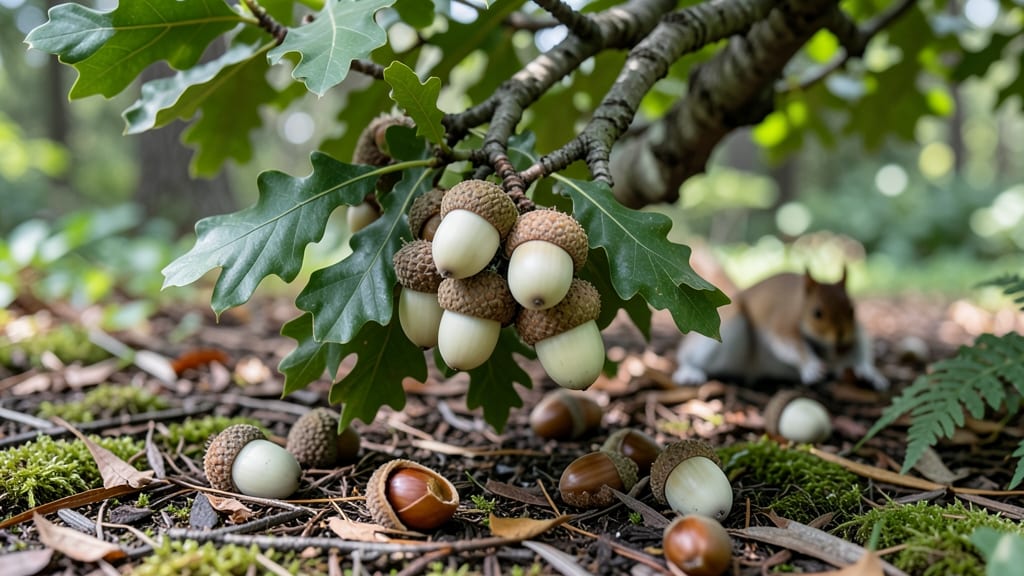
Twisting open oak tree seed pods reveals the secret to growing mighty oaks from scratch. 🌳 I’ve cracked the code on extracting those stubborn acorns without damage—no more bruised seeds or wasted effort. The trick lies in timing, patience, and knowing exactly when the pods release their cargo naturally.
You’ll need just three tools: a sturdy towel, a bucket, and a sunny spot to dry them. Harvest pods when they turn brown and begin splitting open, usually in late fall. A gentle twist or light tap releases the acorns inside, ready for planting.
The key? Don’t rush—overripe pods crumble, while underripe ones won’t open. Once you’ve collected them, soak the acorns for 24 hours to soften the shells, then plant them 1 inch deep in well-draining soil.
Keep the soil consistently moist (not soggy) and place them in full sun—oaks thrive where they get at least 6 hours of sunlight daily. Germination can take 30-90 days, but don’t give up if nothing happens right away.
The real magic happens years later, when your saplings grow into towering oaks. Watch for pests like squirrels (they love acorns too!) and diseases like oak wilt—early detection is key. With the right care, your oak seedlings will reward you with shade and beauty for decades.
📚 In This Guide
- What you need
- Instructions
- Tips and common mistakes
- Wrapping up and next steps
What you need
- ● Mature oak tree seed pods (acorns or galls) – Collect 10–50 pods, depending on your project scale. Ensure they’re fully dry and ready to split open.
- ● Heavy-duty gloves – A pair to protect your hands from rough textures and potential allergens.
- ● Pruning shears or sharp scissors – For trimming stubborn stems or cutting pods open if needed.
- ● Plastic or metal tray – A shallow container (12" x 18" or larger) to collect seeds and debris.
- ● Small screwdriver or butter knife – A flat-edged tool to gently pry open pods without damaging seeds.
- ● Paper towels or newspaper – For drying and sorting seeds afterward.
- ○ Fine-mesh sieve (optional but helpful) – To separate seeds from small debris and dust.
- ● Rubber mallet or hammer – For pods that resist gentle prying (use a soft cloth as a buffer!).
- ● Magnifying glass – To inspect seeds for viability or pests.
- ● Small paintbrush – For brushing out seeds stuck in crevices.
- ● Seed storage containers – Airtight jars or bags to preserve seeds for planting later.
- ● Disinfectant spray (70% isopropyl alcohol) – To sterilize tools if reusing them for multiple batches.
How to extract oak tree seeds without damaging the pods
Here's my foolproof method for harvesting acorns without splitting the pods—saving time and protecting your hands.
🌱 Step 1: Collect and Prepare the Pods
Gather mature oak seed pods from the ground or branches when they're fully brown and dry. I look for pods that open naturally at the hinge—these release seeds cleanly. Avoid green or partially open pods, as they won't yield viable seeds and may still contain tannins that inhibit germination.
Place the pods on a clean, dry surface like a wooden cutting board or thick towel. This prevents moisture from softening the pod walls and makes the extraction process easier. If pods are dusty, gently tap them over a bucket to remove debris before handling.
✂️ Step 2: Use the Twist-and-Pull Technique
Position the pod with the hinge (the natural opening line) facing upward. Here's the trick: place your thumb on one side of the hinge and your index finger on the opposite side, about 1/4 inch from the edge. Apply gentle, even pressure while twisting your fingers outward in opposite directions—this mimics how the pod naturally opens.
You'll feel resistance at first, but as the pod yields, you'll hear a faint crack. Stop immediately once the pod splits—over-twisting can crush the acorn inside. Real talk: this takes practice, so don't force it. If a pod resists after two attempts, it's not ready yet.
🪴 Step 3: Extract the Acorn Without Damage
Once the pod splits, use a butter knife or small flathead screwdriver to gently pry the two halves apart. Work slowly to avoid applying pressure directly to the acorn. I like to insert the tool at the widest point of the split and wedge it open just enough to create space.
Grasp the acorn between your thumb and index finger, supporting its base rather than the cap. The cap should come off easily if the acorn is mature. If it resists, the acorn isn't ready for harvest yet. Place extracted acorns in a breathable container like a mesh bag or paper bag to prevent moisture buildup.
⏰ Step 4: Clean and Store for Germination
Rinse the acorns under cool water to remove any remaining pod fragments or dirt. I use a fine-mesh strainer to avoid damaging the shells. Let them dry completely in a single layer on a paper towel for 24-48 hours in a well-ventilated area. Proper drying prevents mold and ensures viability.
Store the acorns in a sealed container with a desiccant packet in a cool, dark place. I label each batch with the collection date—oaks can remain viable for up to 6 months when stored properly. The key is maintaining low humidity; condensation is your enemy here.
☀️ Step 5: Stratify for Successful Germination
Before planting, oak acorns require 90-120 days of cold stratification to break dormancy. I place them in a plastic bag with slightly damp (not wet) sand or peat moss, then refrigerate. Check monthly to ensure the mix stays moist but not soggy.
After stratification, plant the acorns 1 inch deep in well-draining soil. Keep the soil consistently moist but not waterlogged. Germination can take 4-6 weeks—patience is critical. I've found that planting in fall mimics natural conditions and often yields better results.
Tips & tricks for perfect oak seed pod handling
These subtle techniques will transform your acorn extraction from frustrating to foolproof—saving both your seeds and your sanity.
Pod Selection Matters: The secret to easy extraction starts in Step 1. Look for pods that have already begun to open naturally along the hinge—these will yield with minimal force. I've found that pods from white oak varieties (like the ones with flatter caps) often open more cleanly than red oak pods. If you're collecting from the ground, shake the pods over a tarp first to remove any dirt or debris clinging to the exterior—this prevents grit from getting trapped in the acorn crevices during extraction.
Finger Pressure Technique: In Step 2, the twist-and-pull method requires precise finger placement. Confession: I skipped this detail for years and wondered why my pods kept splitting unevenly. The key is to position your fingers exactly 1/4 inch from the hinge edge—this creates maximum leverage without crushing the acorn. If you're working with particularly thick-shelled pods, try using rubber gloves for better grip and control. The moment you hear that faint crack, stop immediately—over-twisting is what usually leads to damaged seeds.
Tool Selection for Step 3: While the instructions mention a butter knife or screwdriver, I've found that a small, flexible putty knife works even better for prying open stubborn pods. The flexible edge conforms to the pod's shape and distributes pressure more evenly. For large batches, consider using a pair of nutcracker pliers—just be extremely gentle to avoid compressing the acorn. Remember, we're not trying to force the pod open; we're simply guiding it along its natural opening path.
Drying Strategy: The 24-48 hour drying period in Step 4 is non-negotiable for viability, but here's what nobody tells you—air circulation is more important than temperature. I've tried drying acorns in warm ovens (never above 80°F) and found they develop cracks more easily. Instead, place them on a wire cooling rack in a breezy spot. You'll know they're properly dried when the shells feel light and the acorns rattle slightly when shaken in their container.
Pro Tips for Oak Tree Seed Pods
- These subtle techniques will transform your acorn extraction from frustrating to foolproof—saving both your seeds and...
- Pod Selection Matters: The secret to easy extraction starts in Step 1. Look for pods that have already begun to open ...
- Finger Pressure Technique: In Step 2, the twist-and-pull method requires precise finger placement. Confession: I skip...
Frequently asked questions
Got questions about oak tree seed pods? You’re not alone! Here are some of the most common queries—and their answers—to help you navigate these twist-resistant pods with ease.
When is the best time to collect oak tree seed pods?
The ideal time to harvest oak acorns is late fall to early winter (October–January), once the pods have fully matured but before squirrels or critters get to them. Look for pods that are dry and brown—not still green or sticky! If you miss this window, pods may split open naturally, releasing seeds prematurely.
Why are oak seed pods so hard to open? What’s the trick?
Oak pods are designed to resist animals (and prying fingers!) thanks to their tough, fibrous caps. The trick? Soak them in water for 24–48 hours to soften the pod, then gently twist or pry open with pliers or a knife. For stubborn pods, a hairdryer’s warm air can help loosen them—just don’t overheat!
Can I plant oak tree seed pods directly from the ground?
Yes, but with a few caveats. First, stratify the seeds (mimic winter conditions) by refrigerating them in damp sand for 2–3 months before planting. Next, dig a shallow hole in well-draining soil, place the acorn pointy-side down, and cover lightly. Oak trees thrive in full sun—just be patient! Germination can take months.
How do I protect my seed pods from squirrels and other wildlife?
Squirrels and birds love acorns, so act fast! Collect pods as soon as they’re ripe, and store them in a mesh bag or sealed container until you’re ready to plant. For extra security, bury them temporarily in a pot of soil or use a wildlife-proof feeder with small holes. Pro tip: Plant in late fall when critters are less active!
What if my oak seed pods won’t open at all? Are they bad?
Not necessarily! Some pods are just extra tough—try these fixes:
- Let them dry longer (sunlight helps soften them).
- Use a hairdryer or oven (low heat) to warm the pod gently.
- Cut open carefully—if the acorn inside is firm and healthy, it’s still viable!
Wrapping up and next steps
From understanding the unique twist-resistant design of oak tree seed pods to mastering the effortless extraction of acorns, you’ve unlocked a simple yet rewarding skill! 🌳 Whether you’re a gardener, nature enthusiast, or just curious about the wonders of oak trees, this knowledge opens doors to propagation, wildlife support, or even creative projects. Now’s your chance to put it into action—
- Grab a pair of gloves and head outdoors! Find an oak tree, gather a few pods, and practice extracting those acorns with confidence.
- Share your newfound skill! Teach a friend or neighbor—spreading knowledge is just as rewarding as the harvest.
Happy exploring, and may your acorn adventures be as satisfying as they are twist-free! 🌱✨