
Lawn
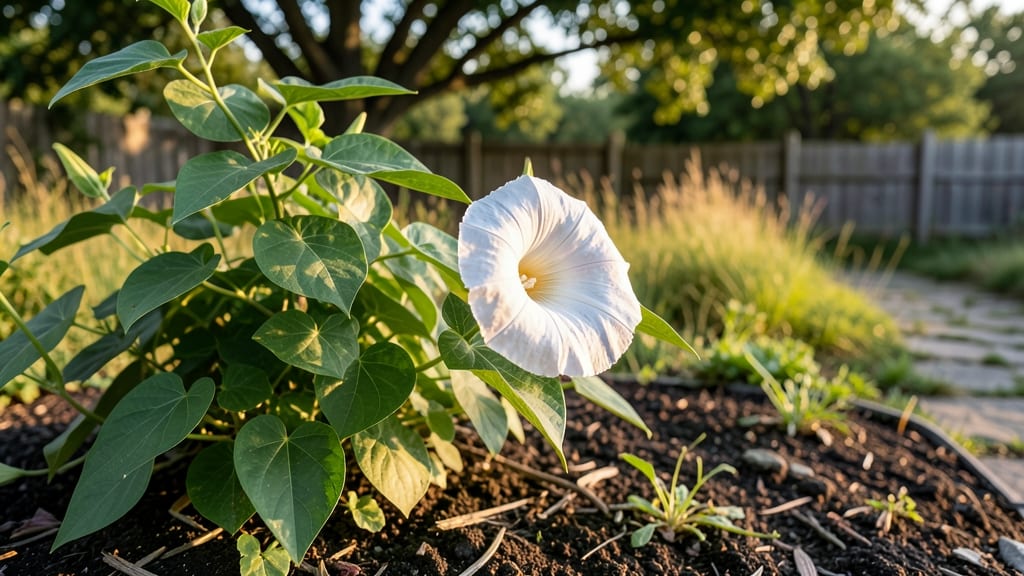
Moon vine seed pods reveal their secrets when winter’s chill triggers their dramatic opening—like nature’s own fireworks. 🌿 I’ve watched them split open after cold snaps, exposing tiny black seeds that look like tiny treasures waiting to grow.
The key to success starts with harvesting these pods at the right moment, when they’re just beginning to crack but haven’t scattered their seeds yet.
You’ll need a few simple tools: sharp pruning shears, a paper bag for collecting pods, and a warm, dry spot to store them until planting season. Moon vines thrive in well-draining soil with partial shade, so prepare your garden bed or container with a mix of compost and native soil.
The seeds are finicky about moisture—too much water can rot them before they sprout.
Plant the seeds just beneath the soil surface in early spring, about ¼ inch deep, and keep the soil consistently moist but not soggy. Germination can take 3-4 weeks, so patience is key—some seeds may need a cold stratification period to break dormancy.
Once they sprout, thin seedlings to 12 inches apart to give them room to climb.
Watch for slow germination or mold, which means the soil is too wet or cold. If you notice yellowing leaves, adjust watering and provide afternoon shade. With proper care, your moon vine will reward you with lush, heart-shaped foliage and those signature purple blooms by midsummer.
The best part? These vines are drought-tolerant once established.
📚 In This Guide
- What you need
- Instructions
- Tips and common mistakes
- Wrapping up and next steps
What you need
- ● Moon vine seed pods – 5–10 pods (ensure they’re fresh or properly dried for germination).
- ● Well-draining potting mix – 1–2 gallons (use a blend for succulents or light, airy soil).
- ● Small pots or seed trays – 3–5 (4–6 inches deep) with drainage holes.
- ● Watering can or spray bottle – For gentle hydration.
- ● Clear plastic wrap or humidity dome – To retain moisture during germination.
- ● Grow lights or sunny windowsill – 6–8 hours of indirect light daily.
- ○ Fertilizer (optional but helpful) – Balanced liquid fertilizer (5-5-5 or similar) for seedlings.
- ● Scissors or pruners – For opening seed pods (if not pre-opened).
- ● Trowel – For transplanting seedlings.
- ● Garden gloves – To protect hands from thorns or rough pods.
- ● Permanent outdoor location (later stage) – Full sun to partial shade, with a trellis or fence for climbing.
- ● Patience! 🌙 – Germination can take 7–21 days, and blooms appear after 3–4 months.
- ● Seedling heat mat (to speed up germination).
- ● Epsom salt (for magnesium boost during growth).
- ● Mulch (to retain soil moisture in outdoor beds).
- ● Trellis or climbing structure (for vertical growth).
How to harvest and plant moon vine seed pods
Moon vines are magical—here’s how to capture their natural seed release.
🌿 Step 1: Identify and Collect Mature Seed Pods
Moon vine seed pods form after blooms, turning from green to brown as they mature. Wait until they’re completely dry and papery to the touch—this ensures seeds are fully developed. Gently twist pods off the vine with your fingers; they should release easily when ready. Avoid cutting stems, as this can damage the plant.
Collect pods on a dry day when humidity is low. Place them in a paper bag (not plastic) to allow airflow—this prevents mold. Store them in a cool, dry spot until you’re ready to process, but don’t let them sit for more than a few weeks. Overly dried pods may crack open prematurely, scattering seeds before you’re ready.
🌱 Step 2: Trigger Natural Seed Release
Moon vine pods open dramatically when exposed to cold stress, mimicking their natural winter release. Place the pods in a sealed plastic bag with a damp paper towel, then refrigerate for 7–10 days at 35–40°F. Check daily—they’ll split open when ready, revealing shiny black seeds inside.
If pods don’t open after 10 days, remove them and try again with fresh pods. Avoid freezing them solid; extreme cold can damage the seeds. Once opened, spread the seeds on a clean surface to dry for 24 hours before storing in an airtight container. This step mimics the plant’s natural cycle and boosts germination rates.
☀️ Step 3: Prepare Soil and Plant Seeds
Moon vines thrive in well-draining soil with partial shade (they tolerate light shade but avoid deep shade). Mix 2 parts potting soil with 1 part perlite to improve aeration. Fill containers or garden beds to 1 inch below the rim, leaving space for watering. Press the soil down lightly to remove air pockets but don’t compact it.
Scatter seeds on the soil surface—moon vine seeds don’t need deep planting. Lightly press them into the top ¼ inch of soil to ensure contact. Water gently with a spray bottle until the soil is evenly moist but not soggy. Place containers in a warm spot (70–75°F) until germination, which typically takes 14–21 days.
💧 Step 4: Care for Young Seedlings
Once seedlings emerge, move them to a bright, indirect light spot. Avoid direct sun until they develop 2–3 true leaves—this prevents scorching. Water from the bottom of the pot to encourage strong root growth; keep the soil consistently moist but never waterlogged. Overwatering is the fastest way to kill young moon vines.
When seedlings reach 3–4 inches tall, transplant them into individual 6-inch pots or directly into the garden. Space them 12–18 inches apart to allow for vining growth. Moon vines are fast growers, so give them room to climb or spread. Prune leggy stems early to encourage bushier growth—this keeps the plant compact and productive.
Tips & tricks for perfect moon vine seed pod harvesting
These little tricks will help you maximize your moon vine seed yield without the stress.
Pod Selection: Here's what nobody tells you—those pods need to be completely dry and papery before harvesting. I learned this the hard way after trying to work with slightly green pods that just wouldn't open properly. Run your finger along the seam—it should feel like crumpling tissue paper, not leather. And always collect on dry mornings; dew or humidity will ruin your pods before they even get to the fridge.
Cold Stress Technique: The 7–10 day refrigeration at 35–40°F is non-negotiable for that dramatic pop, but here's the secret: use a damp paper towel that's just moist—not dripping. Too wet and you risk mold; too dry and the pods won't respond. I place them in a single layer inside the bag so they don't stick together. If you're impatient, check every 2 days starting day 5—sometimes they open faster!
Seed Storage: After your 24-hour drying period, store seeds in an airtight container with a tiny silica gel packet. I keep mine in the fridge for up to 6 months—this preserves viability better than room temperature. Label your containers with the harvest date so you don't accidentally use ancient seeds. Between us, I've had better germination rates with seeds stored this way than with fresh ones!
Pro Tips for Moon Vine Seed Pods
- These little tricks will help you maximize your moon vine seed yield without the stress.
- Pod Selection: Here's what nobody tells you—those pods need to be completely dry and papery before harvesting.
- Cold Stress Technique: The 7–10 day refrigeration at 35–40°F is non-negotiable for that dramatic pop, but here's the secret: use a damp paper towel that's just moist—not dripping.
Frequently asked questions
about moon vine seed pods—here’s what you need to know before growing these fascinating plants!How long does it take for moon vine seed pods to open naturally?
Moon vine seed pods typically take 4–8 weeks to mature after flowering, depending on temperature and sunlight. Once fully ripe, they’ll pop open dramatically—often overnight! Cold stress (like a light frost) can trigger this process faster.
Can moon vine seed pods survive winter outdoors?
Moon vines are tender perennials—they’ll die back in frost but often regrow from roots if planted in well-draining soil. For colder climates, overwinter them in containers or mulch heavily. If you’re growing them for seed pods, bring potted plants indoors before the first frost!
What if my moon vine seed pods don’t open?
If pods stay closed, they may need more cold exposure (try 2–3 weeks at 40–50°F). Alternatively, gently squeeze them—if they’re dry and papery, seeds are ready! Overripe pods may rot, so harvest them before they split naturally.
Are moon vine seed pods toxic to pets or kids?
Moon vine (Cobaea scandens) is non-toxic to pets and humans, but unripe pods can be bitter. Always supervise kids around popping pods—the sudden release can be surprising! For safety, wear gloves when handling large batches.
Can I grow moon vines from store-bought seed pods?
Yes! Collect seeds from fully dried, open pods—they’re easy to germinate. Soak seeds overnight in warm water for faster sprouting. Plant them ½ inch deep in moist soil, and keep them warm (70–75°F) until germination (10–20 days). Pro tip: Start indoors 6–8 weeks before the last frost!
Wrapping up and next steps
Growing moon vine seed pods is a rewarding way to add whimsy and natural beauty to your lawn—especially if you love unique blooms that surprise with their magical pop-open display! 🌙✨ These cold-hardy plants thrive with minimal fuss, making them perfect for gardeners of all skill levels.
Whether you’re drawn to their striking foliage or the enchanting way they reveal their seeds, moon vines are a delightful addition to any outdoor space.
Ready to bring a little wonder to your yard? Start by gathering your supplies, following the steps with confidence, and watch as your moon vine seed pods transform into a mesmerizing garden feature. Happy planting—and enjoy the magic of nature unfolding right before your eyes! 🌱💚