
Lawn
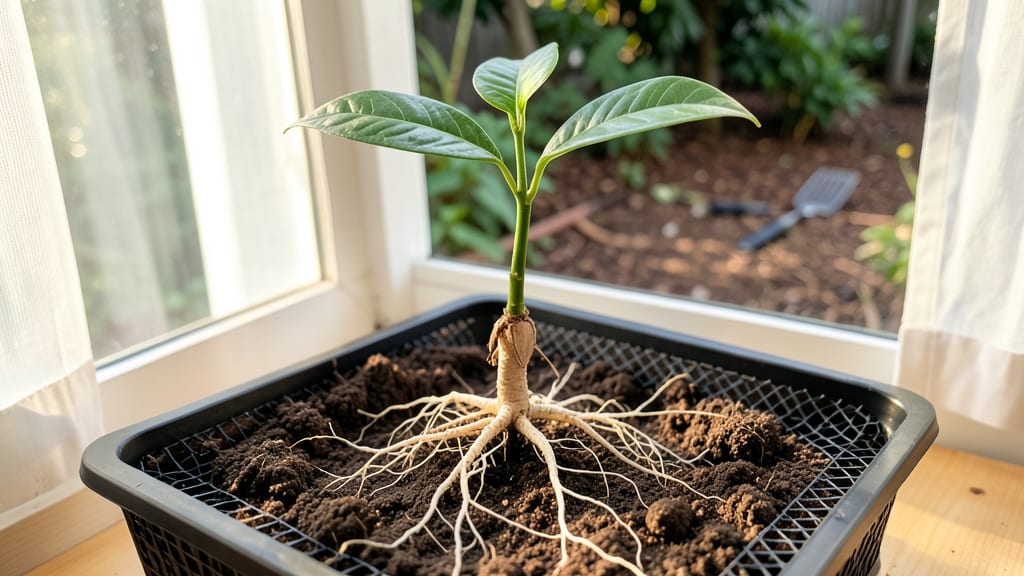
Growing a mango tree from seed isn’t just about patience—it’s about cold-stressed germination to jumpstart those stubborn roots. 🌱 I’ve learned the hard way that skipping this step means waiting months for anything to happen, but with the right trick, you’ll see sprouts in just 2-4 weeks instead of 6-8.
The secret lies in mimicking nature’s winter chill to break dormancy, and I’ll walk you through every step so your seedling gets off to a running start.
You’ll need just three things: a fresh mango seed (not store-bought, the ones you save from fruit), a plastic bag with a twist tie, and a sunny windowsill or grow light. The soil? Keep it simple—well-draining potting mix works perfectly.
No fancy equipment, no greenhouses, just a little science to fool the seed into thinking winter’s passed. Most beginners overcomplicate this, but the real magic happens in those first 30 days of careful moisture control.
By the time you’re ready to transplant, you’ll have a sturdy little seedling with a root system strong enough to handle the move. Picture it: glossy leaves unfurling, a thick stem ready for its first outdoor adventure.
It won’t fruit for years, but the roots you nurture now determine how quickly it grows—and whether it survives those early challenges like root rot or transplant shock.
This method works in containers or in-ground, from Florida to California (just adjust your timing). The key is consistency: water when the top inch of soil dries, rotate the pot weekly for even growth, and never let it sit in cold drafts.
You’re not just growing a tree—you’re building a lawn anchor that’ll outlast cheap sod. Let’s get those roots growing!
📚 In This Guide
- What you need
- Instructions
- Tips and common mistakes
- Wrapping up and next steps
What you need
- ● Mango seeds: 20–50 fresh, viable seeds (from organic mangoes if possible).
- ● Cold-stress method: Refrigerator or freezer (set to 34–41°F (1–5°C) for 1–2 weeks).
- ● Plastic bag or airtight container (to store seeds during cold treatment).
- ● Growing medium: Potting mix (sterile, well-draining blend—50% peat moss, 30% perlite, 20% coconut coir).
- ● Seed-starting trays (biodegradable or 2–3" deep with drainage holes).
- ● Tools: Small hand trowel or spoon (for planting seeds).
- ● Misting spray bottle (to keep soil moist).
- ● Plastic wrap or humidity dome (to retain moisture).
- ● Growth environment: Grow lights or sunny windowsill (6–8 hours/day of indirect light).
- ○ Heating mat (optional, for faster germination—75–85°F (24–29°C)).
- ● Fertilizer: Diluted fish emulsion or seaweed extract (for early root boost).
- ● Rooting hormone: (e.g., Mycorrhizal fungi to enhance root development).
- ● pH test kit: To ensure soil pH is 5.5–6.5 (ideal for germination).
- ● Label markers: To track seed varieties or planting dates.
- ● Outdoor hardening tray: For gradual acclimation before transplanting.
Step-by-step instructions for cold-stress germination of mango seeds
Here’s how to jumpstart mango seed germination using cold stress—my go-to trick for breaking dormancy fast.
🌱 Step 1: Extract and Prep the Seed
Start by carefully removing the seed from the mango pit. Use a sharp knife to slice through the hard outer shell—don’t rush this, or you’ll crack the seed inside. Once exposed, rinse the seed under cool water to remove any remaining pulp, which can rot during germination.
Next, place the seed between two damp paper towels. Fold the towels so the seed is snug but not crushed. The towels should feel damp like a wrung-out sponge—too dry and the seed won’t activate, too wet and it’ll rot. Store the wrapped seed in a sealed plastic bag and refrigerate for 7-10 days. This cold stress mimics winter conditions and tricks the seed into thinking it’s time to grow.
💧 Step 2: Monitor and Move to Warmth
After 7-10 days in the fridge, check the seed daily. You’ll see the first sign of life when the seed coat splits open slightly—this means germination is about to kick in. If the seed looks shriveled or moldy, discard it and try another.
Once the seed shows signs of sprouting, remove it from the fridge and place it in a small container with moistened potting mix (not garden soil—it’s too dense). Press the seed ½ inch deep into the soil, leaving the sprout facing upward. Keep the mix damp but not soggy—your finger should sink in easily but not leave puddles.
☀️ Step 3: Provide Warmth and Light for Sprouting
Mango seeds need warmth to germinate—place the container in a spot with 75-85°F temperatures. A sunny windowsill or a seedling heat mat works best. You’ll see the first true leaves emerge in 10-14 days, but don’t be surprised if it takes a few extra days—some seeds are stubborn.
Once the sprout breaks through the soil, move it to bright, indirect light for the first week. Direct sun can scorch the delicate new leaves. After a week, gradually introduce 4-6 hours of morning sun to harden the seedling. Watch for leggy growth—if the stem stretches too tall, it’s a sign the light isn’t strong enough.
🪴 Step 4: Transplant to a Larger Container
When the seedling reaches 4-6 inches tall with 3-4 true leaves, it’s ready for its first repotting. Choose a 6-inch pot with drainage holes and fill it with fresh potting mix. Gently remove the seedling from its starter container, keeping the root ball intact—tap the sides of the pot to loosen it if needed.
Plant the seedling at the same depth it was growing before, firming the soil around the base. Water lightly to settle the soil, then place the pot in a shaded area for 3-5 days to reduce transplant shock. After this acclimation period, move it to a spot with full sun and keep the soil consistently moist but not waterlogged.
Tips & tricks for perfect mango seed germination
Here's what I learned after struggling with slow-growing mango seedlings—these tricks speed up the process and prevent common pitfalls.
Cold Stress Precision: The 7-10 days in the fridge is non-negotiable for breaking dormancy, but don't be tempted to cut it short. I tried reducing it to 5 days once and the seed never sprouted. If you're impatient, check daily after day 5—you might spot early signs of life like a tiny crack in the seed coat. This is your green light to move it to warmth.
Soil Moisture Secret: When planting your seedling in Step 2, use a spray bottle to moisten the potting mix rather than pouring water. This prevents waterlogging while keeping the soil consistently damp. I learned this the hard way when my first seedling developed root rot from soggy soil. After planting, stick your finger 1 inch deep—it should feel like a wrung-out sponge, not dripping wet.
Light Transition Strategy: The shift from bright indirect light to 4-6 hours of morning sun is critical. I recommend starting with just 2 hours of morning sun on day 8, then increasing by 1 hour every 3 days. This gradual approach prevents sunburn on delicate new leaves. Watch for yellowing leaves—they're a sign your seedling needs more shade, not more sun.
Transplant Timing: Don't rush the 3-5 days of shade acclimation after repotting. I've seen seedlings go into shock when moved directly to full sun too soon. Place your pot near an east-facing window during this period for gentle morning light. The goal is to let the roots establish without stressing the leaves.
Pro Tips for Mango Seed Root
- Here's what I learned after struggling with slow-growing mango seedlings—these tricks speed up the process and prevent common pitfalls.
- Cold Stress Precision: The 7-10 days in the fridge is non-negotiable for breaking dormancy, but don't be tempted to cut it short.
- Soil Moisture Secret: When planting your seedling in Step 2, use a spray bottle to moisten the potting mix rather than pouring water.
Frequently asked questions
How long does it take for mango seed roots to sprout in cold weather?
Cold-stressed germination can take 4–8 weeks (or longer) if temperatures dip below 60°F (15°C). To speed things up, pre-soak seeds for 24 hours, use a heat mat (70–80°F/21–27°C), and keep soil moist but not soggy. Patience is key—just don’t give up after 2 weeks!
Can I grow mango seed roots outdoors in winter?
Not ideal! Mango seeds hate frost and slow growth below 50°F (10°C). Start indoors in biodegradable pots (like peat) 6–8 weeks before last frost, then transplant after soil warms to 65°F (18°C). Use a cloche or row cover for early spring protection.
What’s the fastest way to germinate stubborn mango seeds?
Try the paper towel method:
- Wrap seeds in a damp paper towel.
- Seal in a plastic bag and store in a warm spot (75°F/24°C).
- Check daily—discard moldy seeds.
- Plant once roots appear (3–10 days).
Are mango seed roots safe for lawns, or will they turn invasive?
Mango seed roots (Mangifera indica) grow slowly and aren’t invasive like Bermuda grass. However, they’re tropical—they’ll die back in freezing temps. If you want a hardy lawn, mix them with cool-season grasses (like fescue) for year-round coverage.
My seedling’s leaves are yellow—what’s wrong?
Yellow leaves usually mean overwatering or nutrient deficiency. Fix it by:
- Letting soil dry slightly between waterings.
- Fertilizing with a balanced 10-10-10 mix (half-strength).
- Checking for root rot (smelly, mushy roots = repot in fresh soil).
Pro Tip: Save time and money by buying pre-germinated mango seed root cuttings from tropical nurseries. They’ll establish faster than seeds!
Wrapping up and next steps
Growing mango seed root for a lush, cold-resistant lawn is totally doable with patience and the right techniques! 🌱 Whether you're tackling germination challenges or optimizing growth conditions, every step brings you closer to a thriving green space.
Start small—plant a few seeds, experiment with cold-stressed methods, and watch your lawn transform over time.
Ready to take the next step? Once your seedlings are strong, gradually expand your planting area and monitor their progress. Share your success (or lessons learned) with fellow gardeners—your journey might inspire someone else’s green thumb adventure! 🌟